Skip to content
If you’re facing assault charges and considering an assault bench trial Texas, one of the most important decisions you’ll make is whether to let a judge or a jury decide your fate. That choice can dramatically shape the outcome of your case. Many defendants don’t realize they have options. Others assume jury trials are always better because “more people means more chances.” In reality, the decision between a bench trial and a jury trial is strategic — and deeply personal.
In this in-depth guide, we’ll explore everything you need to know about an assault bench trial Texas proceeding, how it compares to a jury trial, what judges focus on, how juries think, and how attorneys analyze which path is best. We’ll use real-world examples, legal analysis, and practical insight to help you understand how these two trial formats function in Texas assault cases. Along the way, we’ll break down common misconceptions that defendants often have about bench trials versus jury trials. By the end, you’ll have a clearer sense of how strategic this decision truly is and why it can significantly impact the outcome of your case.

Understanding the Basics: What Is a Bench Trial?
Judge as Fact-Finder
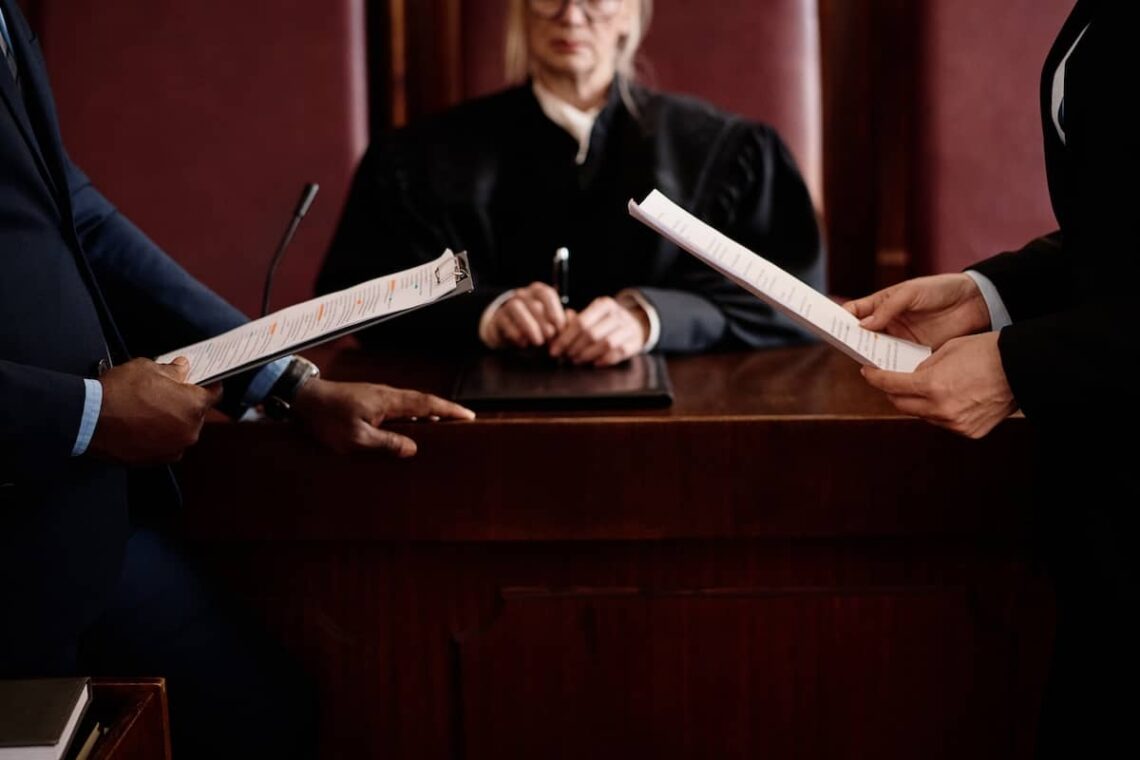
An assault bench trial Texas case means the judge — not a jury — determines both guilt and innocence. There is no panel of citizens deliberating. Instead, the same judge who oversees pretrial hearings listens to the evidence and issues a verdict.
In Texas criminal cases, defendants have a constitutional right to a jury trial. However, they may waive that right and request a bench trial instead. The waiver must be:
- Voluntary
- In writing
- Approved by the court
- Accepted by the prosecutor
Bench trials are relatively common in misdemeanor assault cases, though they are less frequent in high-stakes felony assault cases.
What Is a Jury Trial in an Assault Case?
Twelve Minds vs One
In a jury trial, a group of citizens — usually six for misdemeanors and twelve for felonies — listens to the evidence. After both sides present their case, the jury deliberates privately and must reach a unanimous verdict.
Jurors evaluate:
- Witness credibility
- Body language
- Emotional tone
- Physical evidence
- Police testimony
- Self-defense claims
Unlike in an assault bench trial Texas, jurors are not legally trained professionals. They rely heavily on common sense, perception, and narrative clarity.
Key Differences Between Bench and Jury Trials
Decision-Maker Perspective
In an assault bench trial Texas scenario:
- The judge applies strict legal standards
- Legal technicalities carry significant weight
- Emotional appeals tend to have less influence
- Rulings are often quicker
In a jury trial:
- Emotional resonance matters
- Relatable storytelling can sway outcomes
- Juror biases may enter deliberations
- Deliberation time can extend for hours or days
Choosing between the two formats requires careful analysis of your case facts.
When Defendants Choose an Assault Bench Trial Texas
Strategic Considerations
Defense attorneys often recommend a bench trial when:
- The case hinges on legal technicalities
- The judge has a history of fair and balanced rulings
- The facts are legally complex
- The defense involves constitutional arguments
- Public perception might harm the defendant
For example, if the case revolves around suppression of evidence or technical self-defense statutes, an assault bench trial Texas may be advantageous.
Real-Life Scenario: Self-Defense in a Bench Trial
In Harris County, a man charged with misdemeanor assault claimed self-defense after striking someone during a parking lot altercation.
The facts were complicated. Surveillance footage showed partial escalation by both parties.
His attorney requested an assault bench trial Texas because the case centered on nuanced self-defense language under Penal Code §9.31.
The judge analyzed the legal standard closely and ultimately found reasonable doubt.
Had the case gone to a jury, emotional impressions of the video might have shifted the outcome.
When Jury Trials May Be More Favorable
Emotional Factors and Human Sympathy
Sometimes, defendants benefit from a jury.
For example:
- If the defendant appears sympathetic
- If the alleged victim’s testimony contains inconsistencies
- If jurors might identify with the defendant’s situation
- If the case involves mutual combat or heat-of-the-moment arguments
Jurors can be persuaded by human narratives in ways judges may not be.
In assault cases involving bar fights, domestic disputes, or misunderstandings, juror empathy can play a significant role.
The Burden of Proof Remains the Same
Beyond a Reasonable Doubt
Whether you choose a jury trial or an assault bench trial Texas, the burden of proof does not change.
The prosecution must prove beyond a reasonable doubt that:
- You committed the assault
- You acted intentionally, knowingly, or recklessly
- No valid defense applies
However, how that burden feels in practice differs depending on who is evaluating the evidence.
Judges often focus narrowly on legal sufficiency. Jurors sometimes focus on overall impressions.
Speed and Efficiency
Bench Trials Move Faster
An assault bench trial Texas proceeding typically moves faster than a jury trial.
Why?
- No jury selection process
- Fewer objections
- Shorter arguments
- Immediate verdict in some cases
Jury selection alone can take hours or days in contested cases.
If a defendant wants a quicker resolution, bench trials may offer procedural efficiency.
Risk Assessment in Assault Bench Trial Texas Decisions
Evaluating Your Judge
Experienced defense attorneys consider:
- The judge’s track record
- How the judge has ruled in similar assault cases
- Whether the judge tends to favor law enforcement
- Whether the judge applies strict statutory interpretation
In some counties, judges develop reputations. That reputation can influence whether a bench trial feels safer or riskier.
Real-Life Example: Jury Trial Backfires
In Tarrant County, a defendant accused of assault during a family dispute chose a jury trial.
The alleged victim was visibly emotional during testimony. Jurors appeared moved.
Despite inconsistencies in the story, the jury convicted.
Defense attorneys later acknowledged that an assault bench trial Texas might have focused more on contradictions and less on emotional impact.
Sentencing Differences
Who Decides Punishment?
In a bench trial:
- The judge determines guilt
- The judge also determines sentencing
In a jury trial:
- The jury determines guilt
- In many cases, the jury can also determine punishment
Some defendants prefer judges for sentencing, especially if the judge is known for leniency.

Psychological Dynamics
Judges vs Jurors
Judges:
- Evaluate cases daily
- Apply statutes precisely
- May discount emotional theatrics
Jurors:
- Serve temporarily
- May lack legal training
- Can be influenced by tone, character, and presentation
An assault bench trial Texas removes unpredictable juror psychology from the equation.
Assault Bench Trial Texas and Self-Defense Claims
Technical Defenses Favor Judges
Self-defense cases often hinge on statutory interpretation.
If the case involves:
- Stand Your Ground
- Proportionality of force
- Duty to retreat
- Aggressor withdrawal
A judge may be better positioned to analyze those legal standards without emotional overlay.
Plea Negotiations and Trial Choice
Strategic Leverage
Sometimes, simply requesting an assault bench trial Texas can influence plea negotiations.
Prosecutors may:
- Anticipate stricter judicial scrutiny
- Offer reduced charges
- Negotiate deferred adjudication
Trial format becomes a negotiation tool.
Public Perception and Media Influence
High-Profile Cases
In high-profile assault cases, juries may feel pressure from community sentiment. Media coverage, social media commentary, and public opinion can subtly influence how jurors interpret evidence. Even when jurors try to remain neutral, outside narratives sometimes shape their perceptions of credibility and intent.
Judges are generally more insulated from public reaction. Because they handle cases regularly and operate within structured legal standards, they are less likely to be swayed by headlines or emotional reactions. Their training and experience often allow them to separate publicity from the strict legal elements required for conviction.
Defendants concerned about publicity sometimes prefer bench trials to minimize unpredictability. By placing the decision in the hands of a single judge rather than a group of citizens, they reduce the risk of emotional or reputational bias. This strategic choice can create a more controlled environment when outside attention threatens to influence the outcome.
Appeals Considerations
Preserving Legal Error
Bench trials sometimes create clearer appellate records because: when a judge presides, they often explain their reasoning in detail on the record. That written or spoken analysis can provide a precise foundation for later review by higher courts.
- Judges articulate legal reasoning
- Fewer emotional factors cloud rulings
If appeal strategy is anticipated, this may influence trial selection. Defense attorneys sometimes choose an assault bench trial Texas format specifically to preserve clearer legal arguments for a potential appellate challenge.

Final Thoughts on Assault Bench Trial Texas Decisions
Choosing between a bench trial and a jury trial in a Texas assault case is not about ego or tradition. It’s about strategy. The format you select can shape how evidence is interpreted and how your defense is presented.
An assault bench trial Texas may favor defendants relying on legal nuance, statutory interpretation, or constitutional arguments. Jury trials may benefit those relying on emotional relatability or sympathetic storytelling. Each setting creates a different courtroom dynamic that can influence how arguments are received.
No choice is universally correct. The right decision depends on facts, personalities, and legal complexity. What works in one county or courtroom may not produce the same outcome in another.
If you face assault charges in Texas, consult experienced counsel before making this decision. Because in the courtroom, who decides can matter just as much as what is decided. A carefully considered trial strategy can significantly affect the trajectory of your case.