Skip to content
If you’re facing an assault charge and believe you acted in self-defense, one question becomes critically important: who actually has to prove what? In Texas, the assault self defense burden of proof Texas framework is often misunderstood. Many people assume that if they claim self-defense, they must prove they were justified. Others believe the prosecution automatically loses once self-defense is mentioned. The truth sits somewhere in between.
Understanding how the assault self defense burden of proof Texas works can mean the difference between a conviction and an acquittal. The legal standards are nuanced, and the courtroom strategy surrounding self-defense claims requires precision. In this comprehensive guide, we’ll break down how the burden of proof operates, how juries are instructed, how prosecutors respond, and what real-world cases reveal about self-defense in Texas assault charges.
The Foundation: How Texas Defines Assault
Starting With the Charge Itself
Before we can analyze the assault self defense burden of proof Texas issue, we must first understand what the state is trying to prove in an assault case.
Under Texas Penal Code §22.01, a person commits assault if they:
- Intentionally, knowingly, or recklessly cause bodily injury to another
- Threaten someone with imminent bodily injury
- Cause offensive or provocative contact
In any assault prosecution, the state carries the initial burden to prove beyond a reasonable doubt that the accused committed the offense. However, when self-defense enters the picture, the analysis shifts.
What Self-Defense Means Under Texas Law
Texas Penal Code §9.31 and §9.32
Texas law allows a person to use force when they reasonably believe it is immediately necessary to protect themselves against another’s unlawful force. In more serious cases, deadly force may also be justified.
Key elements of self-defense include:
- The force must be immediately necessary
- The belief must be reasonable
- The person claiming self-defense cannot be the aggressor
- The force used must be proportional
When someone asserts self-defense, the assault self defense burden of proof Texas question becomes central: does the defendant have to prove they acted in self-defense?
Who Has the Burden of Proof in Texas Self-Defense Cases?
The Short Answer: The State Still Does
In Texas, once self-defense is raised by the defendant, the burden shifts back to the prosecution.
Here’s how it works:
- The defendant introduces some evidence supporting self-defense.
- Once that happens, the prosecution must disprove self-defense beyond a reasonable doubt.
This is critical. The defendant does not have to prove self-defense beyond a reasonable doubt. They only need to produce enough evidence to raise the issue.
After that, the prosecution must eliminate self-defense as a reasonable possibility.
This is the core principle behind the assault self defense burden of proof Texas standard.
Real-Life Example: Bar Fight Gone Wrong
Imagine a scenario in Dallas. Two men argue at a bar. One shoves the other. The second man punches back, breaking the first man’s nose. The second man gets charged with assault.
At trial, the defense presents evidence that the first man initiated physical contact. Surveillance footage shows the shove clearly.
Now the burden shifts. The prosecution must prove beyond a reasonable doubt that the punch was not justified self-defense.
If jurors believe it’s reasonably possible the defendant acted to protect himself, they must acquit.
That’s how the assault self defense burden of proof Texas plays out in practice.
Raising Self-Defense: The Defendant’s Initial Responsibility
Producing Some Evidence
While the ultimate burden rests with the prosecution, the defendant must first “raise the issue.”
This can be done through:
- Defendant testimony
- Witness testimony
- Surveillance video
- Physical evidence
- Police bodycam footage
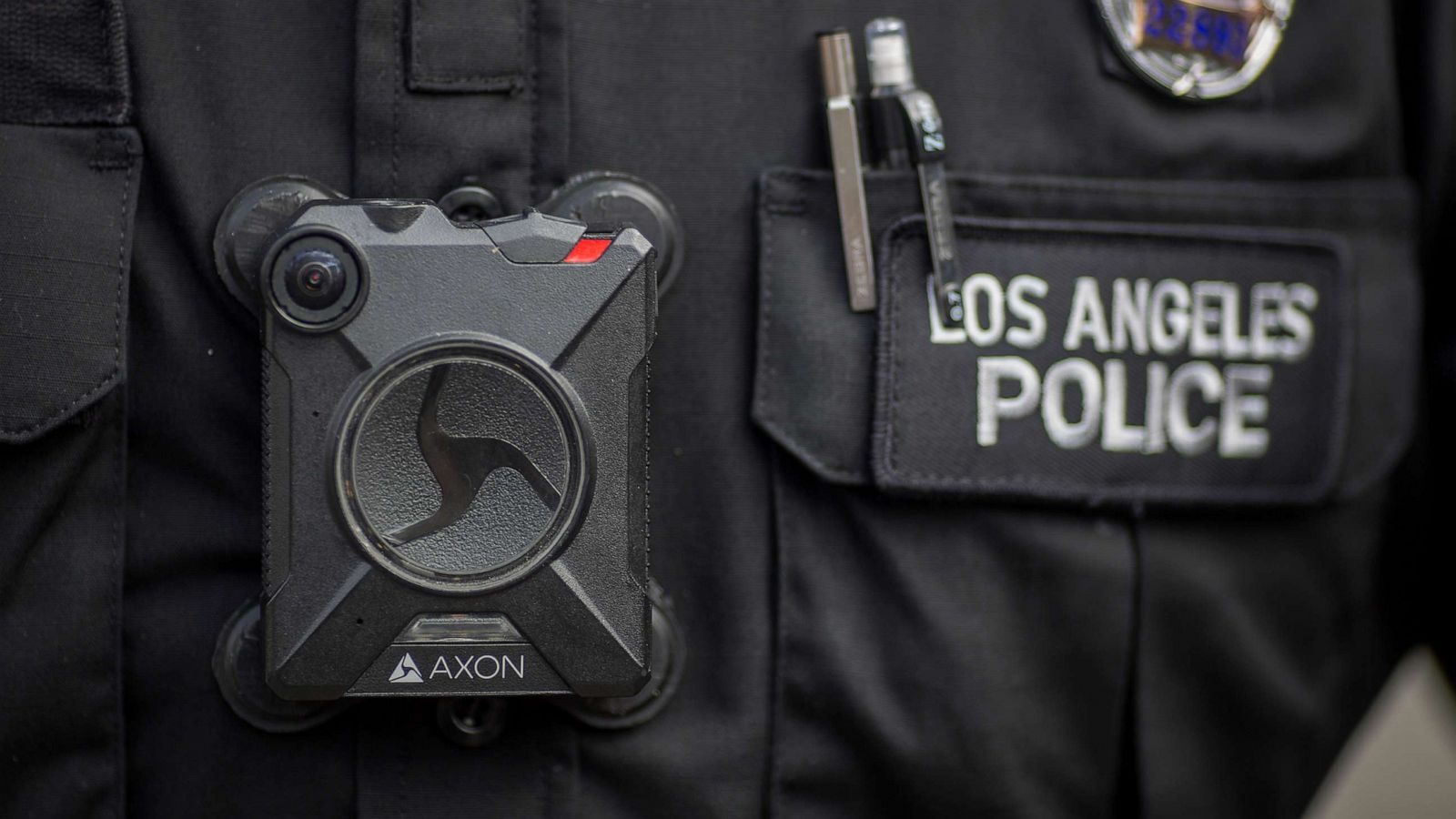
The standard for raising self-defense is relatively low. Even minimal evidence can trigger the requirement that the jury receive a self-defense instruction.
Once raised, the jury must consider whether the state has disproven it beyond a reasonable doubt.
Jury Instructions and Their Importance
Where the Burden Gets Explained
In Texas assault trials, jury instructions play a pivotal role in the assault self defense burden of proof Texas framework.
Jurors are specifically instructed that:
- The defendant does not have to prove self-defense.
- The state must prove beyond a reasonable doubt that the defendant did not act in self-defense.
If even one juror believes the prosecution failed to eliminate self-defense as a possibility, the verdict must be not guilty.
These instructions are often the battleground in appeals if improperly delivered.
What “Beyond a Reasonable Doubt” Means in Self-Defense
Not Absolute Certainty
Beyond a reasonable doubt does not mean beyond all doubt. It means that the evidence leaves jurors firmly convinced.
In a self-defense context, the prosecution must show:
- The defendant was the aggressor
- The force used was excessive
- There was no imminent threat
- The belief in danger was unreasonable
If they cannot eliminate reasonable doubt regarding those elements, the defense prevails.
This heavy burden underscores why the assault self defense burden of proof Texas standard strongly favors defendants once self-defense is properly raised.
The Role of “Reasonableness”
Objective vs. Subjective Standard
Texas applies a “reasonable person” standard. The jury considers whether a reasonable person in the same situation would believe force was necessary.
This is not purely subjective. It is not enough for the defendant to say, “I felt threatened.” The belief must be objectively reasonable under the circumstances.
For example:
- A shove likely does not justify deadly force.
- A knife attack may justify firearm use.
The proportionality of force becomes a critical focus.
Stand Your Ground and Castle Doctrine
No Duty to Retreat in Texas
Texas law eliminates the duty to retreat in certain situations. If a person has a legal right to be present and is not engaged in criminal activity, they do not have to retreat before using force.
This strengthens the defendant’s position in many assault self defense burden of proof Texas cases.
However, it does not eliminate the requirement of reasonableness. Excessive force can still invalidate a self-defense claim.
When Self-Defense Fails
Common Mistakes That Undermine Claims
Despite favorable burden rules, self-defense claims can fail when:
- The defendant provoked the confrontation
- The defendant escalated the violence
- The force used was grossly disproportionate
- There is clear evidence contradicting the claim

For example, if video footage shows a defendant chasing someone who was trying to walk away, self-defense becomes difficult to sustain.
Real-Life Case Study: Road Rage and Overreaction
In Houston, a driver claimed self-defense after shooting another motorist during a road rage incident. The defense argued the other driver approached aggressively.
However, dashcam footage showed the shooter exited his own vehicle first and escalated the situation.
The jury concluded the prosecution had disproven self-defense beyond a reasonable doubt.
This illustrates how the assault self defense burden of proof Texas can shift back in favor of the state when facts contradict the narrative.
Pretrial Immunity Hearings in Texas
Can Charges Be Dismissed Early?
Texas law allows defendants to request a pretrial immunity hearing under the self-defense statute.
In such hearings:
- The judge determines whether the defendant is immune from prosecution.
- The defendant must prove self-defense by a preponderance of the evidence.
This is different from trial. Here, the defendant carries the burden.
If successful, charges are dismissed before trial.
If unsuccessful, the case proceeds to trial, where the prosecution regains the burden to disprove self-defense.
This dual-layer structure makes the assault self defense burden of proof Texas uniquely complex.
Strategic Considerations for Defense Attorneys
Timing and Presentation Matter
Experienced attorneys carefully consider:
- Whether to testify at a pretrial immunity hearing
- Whether to rely on cross-examination alone
- Whether to introduce character evidence
- How to frame proportionality
Because the burden ultimately falls on the prosecution at trial, sometimes minimal defense presentation is strategically beneficial.
Appeals and Burden of Proof Errors
When Jury Instructions Go Wrong
If a trial court improperly shifts the burden to the defendant, appellate courts may reverse the conviction. This kind of error strikes at the heart of a fair trial because it alters the legal standard the jury must apply. When judges misstate who must prove what, the integrity of the entire proceeding comes into question. As a result, higher courts carefully review these situations to ensure constitutional protections remain intact.
Courts have repeatedly emphasized that the assault self defense burden of proof Texas requires the prosecution to carry the ultimate burden beyond a reasonable doubt. The defendant only needs to raise the issue of self-defense with some supporting evidence before that burden shifts back to the state. Once self-defense is properly raised, the prosecution must disprove it — not the other way around. This distinction protects defendants from being forced to prove their innocence.
Improper jury instructions can result in retrials or dismissals. If an appellate court determines that jurors were misinformed about the burden of proof, it may overturn the verdict entirely. In some cases, the state must retry the case from the beginning, which can significantly alter the outcome. Consequently, accurate jury instructions play a crucial role in maintaining fairness within Texas self-defense cases.

Emotional Reality vs. Legal Standard
Why Jurors Struggle With Self-Defense Cases
Even though the burden favors defendants once raised, jurors often struggle emotionally.
They may ask themselves:
- Could this have been avoided?
- Was the force really necessary?
- Did someone die unnecessarily?
The law requires objectivity, but human emotion plays a role in deliberations.
That is why clear, structured legal argumentation is essential.
Final Thoughts on Assault Self Defense Burden of Proof Texas
The assault self defense burden of proof Texas standard creates a powerful defense tool when used properly. Once self-defense is raised, the prosecution must eliminate it beyond a reasonable doubt.
However, raising self-defense requires credible evidence. And even with favorable legal standards, juries evaluate reasonableness carefully.
In Texas, self-defense is not automatic — but it is strongly protected. Understanding how the burden shifts can empower defendants and guide strategic decisions.
Because in the courtroom, it’s not just about who threw the first punch. It’s about who carries the burden — and whether that burden has truly been met.