When people search for assault surveillance footage Texas, it’s usually because video evidence has suddenly become the center of a criminal case. Maybe a bar fight was caught on camera. Maybe a neighbor’s security system recorded part of a confrontation. Or maybe a store’s surveillance video shows something completely different than what witnesses claim happened. In today’s legal landscape, video footage can either strengthen the prosecution’s case—or dismantle it entirely.
In Texas assault cases, surveillance video often becomes the silent witness in the room. Unlike eyewitnesses, cameras don’t get nervous. They don’t forget details. However, they also don’t capture everything. Understanding how courts interpret assault surveillance footage Texas is critical for defendants, victims, attorneys, and even jurors.
In this guide, we’ll explore how surveillance footage influences assault cases in Texas, how attorneys use or challenge it, and why video evidence isn’t always as straightforward as it seems. We’ll examine real-world scenarios, legal strategy, and the courtroom dynamics that unfold when assault surveillance footage Texas becomes key evidence.
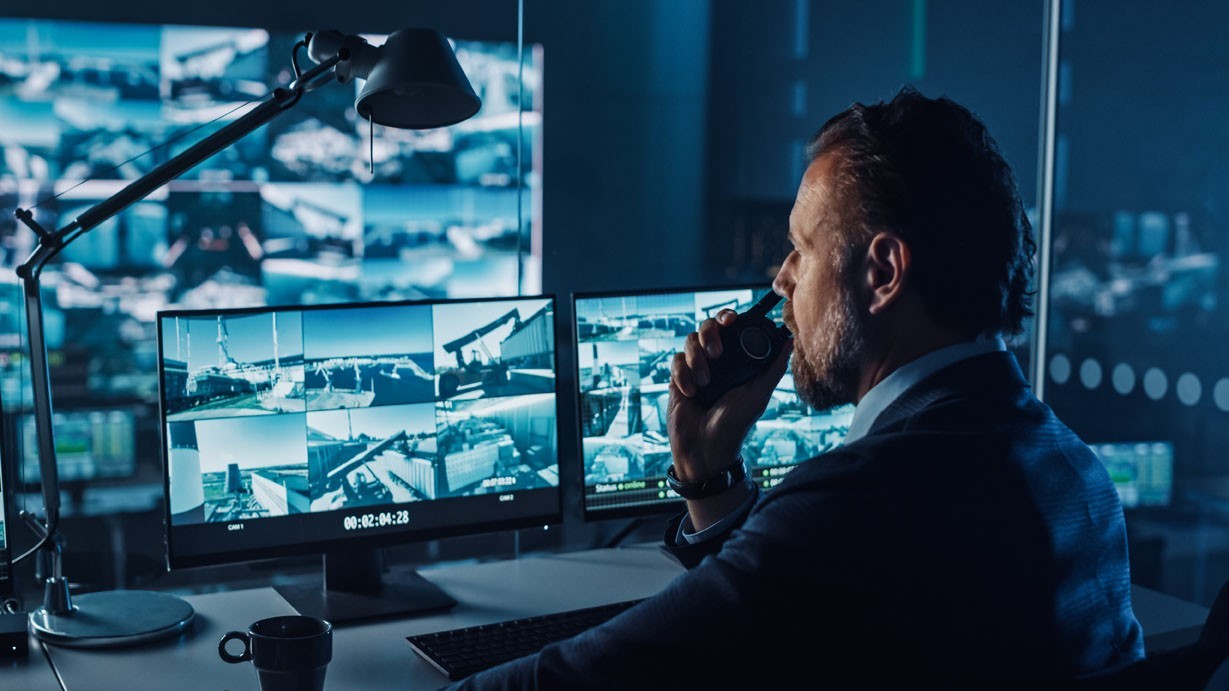
Why Surveillance Footage Matters in Texas Assault Cases
Video as Modern-Day Evidence
Years ago, assault cases depended almost entirely on eyewitness testimony. Today, however, surveillance cameras are everywhere—gas stations, restaurants, apartment complexes, retail stores, parking garages, and even private homes.
When an altercation happens in one of these locations, there’s a good chance that assault surveillance footage Texas exists somewhere nearby.
Video footage can:
- Confirm who initiated contact
- Show whether a weapon was present
- Reveal self-defense actions
- Capture the intensity of force used
- Identify who was actually present
Because of this, surveillance video often shifts the direction of a case almost immediately.
Real-Life Example: The Restaurant Dispute
Consider this situation.
Two men argue in a crowded Dallas restaurant. Witnesses claim one man suddenly attacked the other without warning. The alleged victim calls police and reports an assault.
However, when officers review assault surveillance footage Texas from the restaurant cameras, the story looks different. The video shows the “victim” pushing first and the accused responding with a defensive shove.
That footage changed the case from straightforward assault to a potential self-defense argument.
Without video, the prosecution might have relied entirely on testimony. With video, the narrative shifted.
The Legal Standard for Admitting Surveillance Footage
Authentication Is Key
Before assault surveillance footage Texas can be used in court, it must meet certain legal standards.
The court requires:
- Authentication (proof the footage is genuine)
- Verification of chain of custody
- Confirmation that the video has not been altered
- Proper witness identification of the recording system
Typically, a store manager, property owner, or technician testifies to confirm the footage is authentic.
Once authenticated, surveillance video becomes powerful evidence.
When Surveillance Video Helps the Prosecution
Clear Evidence of Aggression
In some assault cases, video clearly shows:
- One party throwing the first punch
- Repeated strikes beyond self-defense
- Use of a weapon
- Victim attempting to retreat
In these situations, assault surveillance footage Texas can significantly strengthen the state’s case.
For example, in a Houston nightclub incident, surveillance footage showed the defendant continuing to strike the victim after the victim fell to the ground. That video eliminated any credible self-defense claim and led to a conviction.
When video aligns with the prosecution’s theory, it can be devastating for the defense.
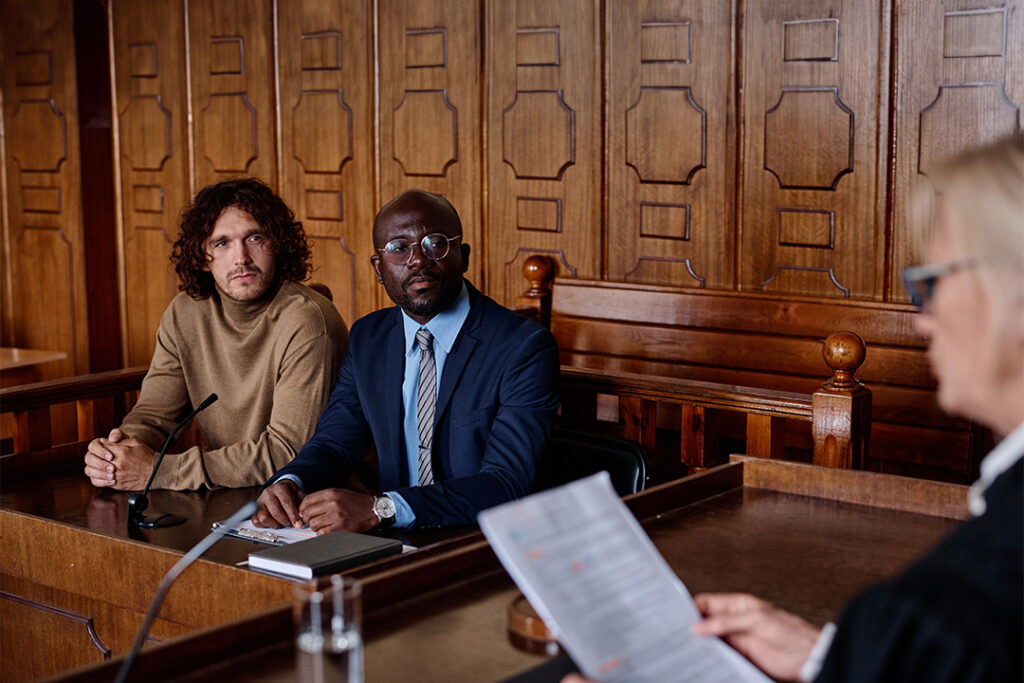
When Surveillance Video Helps the Defense
Revealing Context That Witnesses Missed
Surveillance footage doesn’t always tell the same story as eyewitnesses.
In fact, many assault cases hinge on who started the altercation. Video often captures subtle context:
- Who approached first
- Body language before physical contact
- Attempts to disengage
- Presence of mutual aggression
In Texas self-defense law, context matters deeply. If assault surveillance footage Texas shows the defendant reasonably believed force was necessary, the entire case may collapse.
The Limits of Surveillance Footage
Cameras Don’t Capture Everything
Despite its power, surveillance video has limitations.
Common issues include:
- Poor lighting
- Grainy resolution
- Limited camera angles
- Missing audio
- Blind spots
For example, a camera may show two people grappling but fail to capture an earlier verbal threat that justified defensive action.
In these cases, assault surveillance footage Texas must be interpreted alongside witness testimony.
Video Without Audio: A Major Challenge
Many surveillance systems do not record sound.
That means jurors may see pushing, yelling, or aggressive gestures—but not hear threats.
In Texas assault cases involving self-defense, verbal threats can justify physical response.
When assault surveillance footage Texas lacks audio, attorneys must rely on testimony to fill in those gaps.
Frame Rate and Timing Issues
How Small Details Matter
Surveillance systems sometimes record at lower frame rates. This can create visual gaps between actions.
For example:
- A quick punch may appear sudden without showing prior provocation
- A defensive block may look aggressive without context
Attorneys often analyze frame-by-frame timing to determine whether the footage accurately represents the event.
In assault surveillance footage Texas cases, technical analysis can change interpretations significantly.
Surveillance Footage and Self-Defense in Texas
The Legal Framework
Texas law allows individuals to use force in self-defense if they reasonably believe it is immediately necessary to protect themselves.
When evaluating self-defense claims, juries consider:
- Who initiated force
- Whether force was proportional
- Whether retreat was possible
Assault surveillance footage Texas often becomes central in determining who was the aggressor.
If the video shows clear initiation by the alleged victim, the defendant’s claim strengthens dramatically.
Real-Life Example: The Parking Lot Confrontation
In Austin, two drivers got into a heated argument over a parking space. The alleged victim claimed the defendant punched him unprovoked.
However, assault surveillance footage Texas from a nearby business showed the alleged victim approaching aggressively, shoving first, and cornering the defendant.
The jury acquitted the defendant based largely on the video evidence.
Without that footage, the outcome likely would have been different.
The Role of Expert Witnesses in Video Analysis
Enhancing or Challenging the Footage
In complex cases, attorneys may bring in video analysis experts to:
- Clarify blurred images
- Adjust brightness or contrast
- Explain timing discrepancies
- Identify individuals in footage
Experts may testify about whether the footage fairly represents the event.
In assault surveillance footage Texas cases involving serious injury, expert interpretation can carry significant weight.
When Video Is Missing or Deleted
Spoliation Issues
Sometimes surveillance footage is not preserved.
Reasons may include:
- Automatic overwrite systems
- Intentional deletion
- Failure to request preservation quickly
If video is destroyed after notice of potential litigation, courts may impose sanctions.
In some Texas assault cases, juries are instructed that missing footage may have been unfavorable to the party who failed to preserve it.
How Attorneys Obtain Assault Surveillance Footage Texas
The Discovery Process
Defense attorneys request video through:
- Police discovery
- Subpoenas to businesses
- Preservation letters
- Court orders
Time is critical. Many systems overwrite footage within days.
Failing to act quickly can mean losing critical evidence.

Social Media Video vs Surveillance Footage
New Forms of Digital Evidence
In today’s world, bystanders often record fights on smartphones.
Unlike fixed surveillance cameras, cellphone video:
- May capture audio
- May show different angles
- May be edited before sharing
Courts treat social media video as evidence but require authentication.
In assault surveillance footage Texas cases, cellphone recordings sometimes provide clearer context than security systems.
Jury Perception of Video Evidence
The “Seeing Is Believing” Effect
Jurors often place high trust in video evidence.
However, attorneys must remind jurors that:
- Cameras have blind spots
- Context may be missing
- Interpretation varies
In Texas courts, jury instructions emphasize evaluating all evidence collectively—not relying solely on video.
Prosecutorial Use of Slow Motion and Replay
Emotional Impact
Prosecutors sometimes replay assault surveillance footage Texas multiple times to emphasize severity.
Slow motion playback can heighten emotional response.
Defense attorneys often counter by:
- Requesting full-speed playback
- Highlighting context before and after key moments
- Demonstrating mutual participation
Video can be persuasive—but it can also be framed strategically.
The Risk of Misidentification
Grainy Footage Problems
In some assault surveillance footage Texas cases, identification becomes an issue.
If the video is blurry:
- Facial recognition becomes difficult
- Clothing similarities create confusion
- Assumptions fill gaps
Defense attorneys may argue that video does not conclusively prove identity.
When Surveillance Video Contradicts Police Reports
Credibility Challenges
Occasionally, assault surveillance footage Texas reveals inconsistencies in police reports.
For example:
- Officers claim a suspect resisted violently
- Video shows minimal resistance
When discrepancies appear, defense attorneys can challenge officer credibility.
Such contradictions can influence jury perception beyond the assault charge itself.
The Psychological Effect on Defendants
Seeing the Incident on Screen
Watching oneself on surveillance video can be powerful.
Some defendants realize their actions appear worse than remembered.
Others feel vindicated when footage shows they acted defensively.
Assault surveillance footage Texas often shapes plea negotiations before trial even begins.

Final Thoughts: How Surveillance Video Can Change an Assault Case
Assault surveillance footage Texas has transformed how assault cases are prosecuted and defended. Cameras can clarify truth—or complicate it. They can expose aggression—or reveal self-defense. They can support eyewitness testimony—or contradict it entirely.
However, video is never the whole story. Lighting, angles, audio absence, timing, and context all influence interpretation.
Ultimately, courts evaluate assault surveillance footage Texas alongside testimony, forensic evidence, and legal standards. When used effectively, video evidence can reshape an entire case.
And in many Texas courtrooms, the camera doesn’t just watch—it decides.