Robbery doesn’t just disrupt lives—it sends shockwaves through neighborhoods, storefronts, schools, and families. From convenience store holdups to home invasions, the impact is immediate and deeply felt. What’s equally important, though, is what happens next. Community responses to robbery incidents play a critical role in shaping public safety, trust in the justice system, and long-term recovery for victims and bystanders alike.
In this comprehensive discussion, we’ll explore community responses to robbery incidents through the lens of the Texas Penal Code, real-life case examples, and the evolving role of law enforcement and local leadership. Whether you’re a concerned resident, a policymaker, or someone affected by crime, understanding these dynamics can empower you to take meaningful action. We’ll also examine how communities bounce back, what strategies are effective, and where the legal system meets the human element of fear and recovery/>.

Understanding Robbery Under Texas Penal Code
What Qualifies as Robbery in Texas?
Before diving into the community responses to robbery incidents, we need to clarify what Texas law defines as robbery. According to Texas Penal Code §29.02, robbery occurs when a person, in the course of committing theft and with the intent to obtain or maintain control of property:
- Intentionally, knowingly, or recklessly causes bodily injury to another, or
- Intentionally or knowingly threatens or places another in fear of imminent bodily injury or death.
If a deadly weapon is involved, or the victim is elderly or disabled, the offense escalates to aggravated robbery under §29.03, which is a first-degree felony.
Robbery is more than stealing—it’s stealing with a layer of violence or intimidation, which often amplifies community reactions and demands a collective response.
Why Community Responses to Robbery Incidents Matter
It’s About More Than Just the Crime
When a robbery occurs, the victim may be the one physically harmed—but the fear, anxiety, and economic loss often ripple throughout the entire community. Businesses might suffer, neighborhoods may feel unsafe, and even children who overhear their parents talking about the event can feel shaken.
Example: In a small town near Waco, a popular family-owned taco shop was held up by an armed suspect during lunch hours. No one was hurt, but the event triggered widespread fear. The following week, local foot traffic declined, and the owners considered closing early. That one incident changed how people felt about a place they’d trusted for years.
These stories illustrate the human cost of robbery and the importance of a coordinated, compassionate, and strategic community response to robbery incidents.
The Immediate Aftermath: How Communities React Within Hours
First Reactions Are Critical
When a robbery occurs, the first 24 to 48 hours can set the tone for how a community processes the trauma. Here’s what often happens:
- Police investigation: Officers secure the scene, take statements, and begin evidence collection.
- Media coverage: News spreads quickly, often with alarming headlines.
- Social media reactions: Neighborhood Facebook groups light up with speculation, fear, and sometimes misinformation.
- Victim support: Initial help may come from neighbors, friends, or local businesses offering assistance.
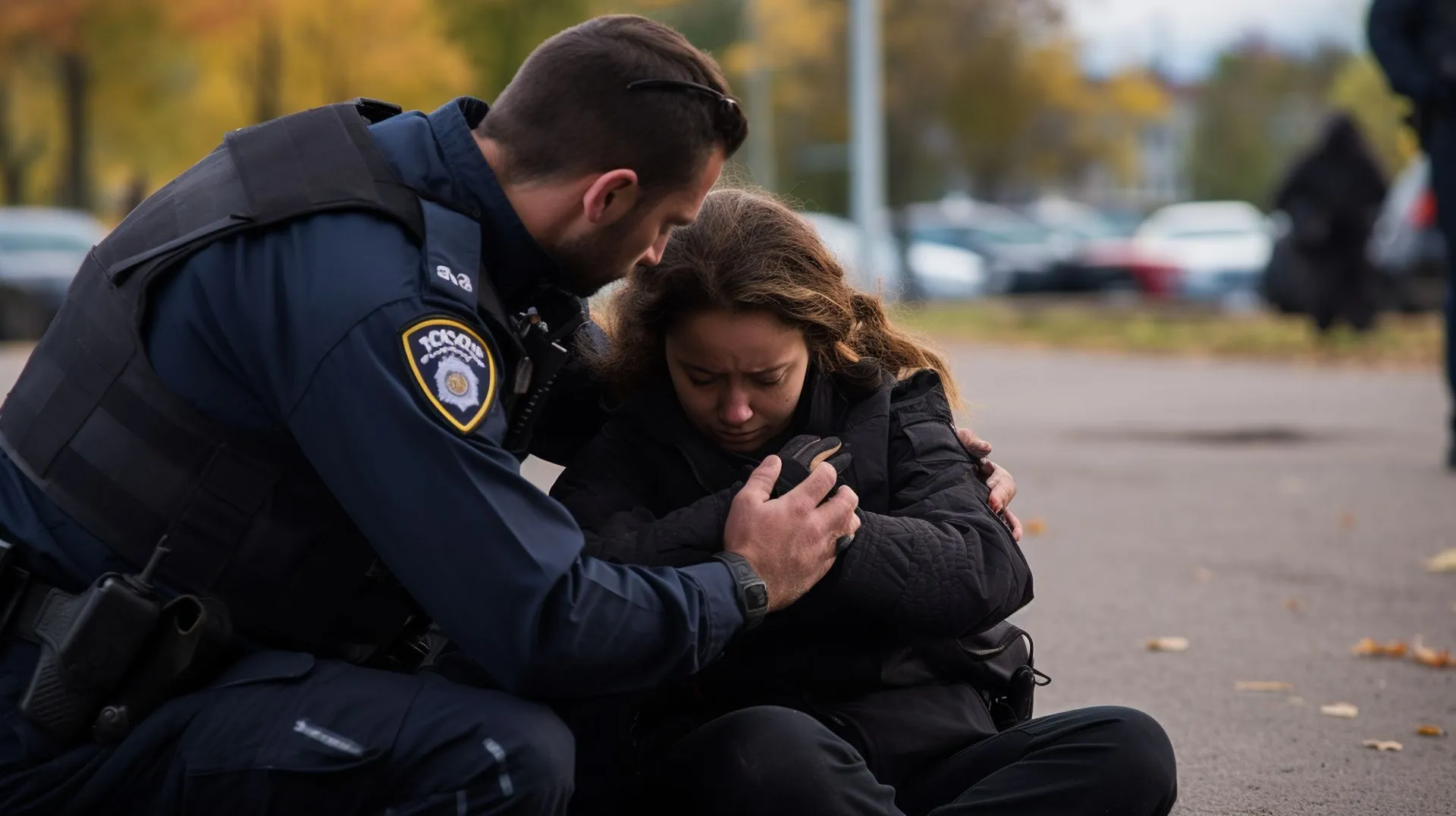
This is when law enforcement’s communication is crucial. If they provide clear updates and dispel rumors early, they help build community confidence. But if information is slow or confusing, fear can escalate, and community responses to robbery incidents may become emotionally charged and less productive.
Law Enforcement’s Role in Community Recovery
Building Trust Beyond the Tape Line
In Texas, many police departments now recognize the importance of community engagement after high-profile robberies. They don’t just close the scene and move on—they involve the community in healing.
Strategies include:
- Hosting community meetings in the area affected
- Providing real-time updates on arrests and investigations
- Referring victims and witnesses to trauma resources
- Assigning neighborhood patrols to increase visibility and deter copycat crimes
Example: After a string of gas station robberies in Fort Worth, local precinct leaders set up a mobile police unit in the affected area. Officers spoke with residents, listened to concerns, and reassured business owners. The visibility led to several tips and, eventually, an arrest.
These efforts are part of modern community responses to robbery incidents that prioritize communication, collaboration, and prevention.
Community Watch Programs and Neighborhood Resilience
Grassroots Safety Efforts That Work
When a robbery rocks a neighborhood, many residents feel powerless—but they don’t have to be. Community watch programs, when done correctly, give neighbors the tools to spot suspicious behavior, report crimes, and rebuild a sense of security.
Key Elements of Effective Watch Programs:
- Regular communication with local law enforcement
- Clear roles and reporting protocols
- Education on de-escalation and non-confrontational approaches
- Inclusivity—engaging renters, homeowners, and youth alike
Example: After a break-in at a Houston corner store, neighbors revived a dormant community watch group. They started with monthly meetings, coordinated walk-and-talks with police, and set up group texts for alerts. Crime dropped by 40% within a year.
These local responses are a cornerstone of successful community responses to robbery incidents, showing that empowerment can begin on your block.
Robbery’s Economic Fallout on Local Businesses
More Than a Broken Window
When commercial robberies hit, the financial blow can be devastating. Businesses may face:
- Lost revenue from temporary closures
- Physical damage to property
- Insurance hikes or claims disputes
- Employee turnover due to safety concerns
- Reputational damage among customers
For small businesses already operating on tight margins, a single robbery can trigger layoffs—or closure.
Real-Life Case: In El Paso, a jewelry store was robbed in broad daylight. Though no one was injured, the owner lost $100,000 in merchandise and couldn’t recover due to insurance fine print. Within six months, the store closed, and five employees were out of work.
This underscores the need for cities to include small business recovery strategies in broader community responses to robbery incidents—from emergency funding to improved commercial security programs.
Victim Advocacy and Trauma Recovery
The Psychological Cost of Robbery
For direct victims—store clerks, homeowners, or bystanders—the emotional scars often outlast the legal case. PTSD, anxiety, sleep disorders, and even job loss are common.
Communities can help by:
- Referring victims to local counseling and trauma support networks
- Offering financial help through victim compensation programs
- Establishing partnerships between hospitals and police departments to streamline referrals
Texas Resource Highlight: The Texas Crime Victims’ Compensation Program helps pay for medical costs, counseling, and lost wages for robbery victims. But many don’t know it exists—so awareness campaigns are a vital part of community responses to robbery incidents.
Media’s Role in Shaping Public Reaction
Information vs. Sensationalism
Media coverage plays a dual role. On one hand, it spreads critical safety alerts. On the other, it can stir fear and speculation—especially when headlines emphasize violence or use emotionally charged language.
Balanced media coverage can:
- Encourage cooperation with investigations
- Promote awareness of safety initiatives
- Share recovery stories that inspire resilience
Case Study: After a convenience store robbery in Austin turned deadly, local outlets focused on the suspect’s violent history. But one news station chose to highlight the community’s response: a vigil, fundraisers for the clerk’s family, and a mural to honor the victim. That shift in focus helped the neighborhood move from fear to healing.
This kind of reporting can support healthier community responses to robbery incidents and guide the narrative toward strength, not just tragedy.
Schools and Youth Engagement After a Robbery
Protecting and Educating the Next Generation
Robbery near or involving schools can heighten anxiety among students, teachers, and parents. Even when kids aren’t direct witnesses, they feel the aftershocks.
Community responses in these cases should prioritize:
- Trauma-informed practices in classrooms
- School-wide safety drills tailored to real events
- Partnerships with school counselors and social workers
- Youth-led initiatives that promote conflict resolution and safety awareness
Example: After an attempted robbery occurred outside a high school in Lubbock, the district coordinated a response team. They held assemblies, opened up safe spaces for discussion, and empowered students to lead a “Peace Week” with activities promoting nonviolence.
These proactive strategies illustrate how community responses to robbery incidents can be developmentally appropriate—and deeply effective.
The Role of Faith-Based and Cultural Organizations
Mobilizing Moral Leadership
Churches, mosques, temples, and community centers are often the first places people turn to after a violent event. Their role in responding to robbery incidents can’t be overstated.
Key Roles They Play:
- Hosting support groups and vigils
- Providing meals, childcare, or financial aid for affected families
- Offering moral guidance and spiritual counseling
- Partnering with law enforcement for safety forums

Example: In Beaumont, a local mosque coordinated a city-wide interfaith prayer service after a robbery resulted in a tragic loss. The event drew hundreds and served as a springboard for new neighborhood safety programs.
Faith and cultural leaders are crucial allies in fostering emotionally grounded community responses to robbery incidents.
Rebuilding Trust After Law Enforcement Missteps
What Happens When the Response Fails?
Not all responses go smoothly. When communities feel law enforcement was too slow, dismissive, or aggressive, trust erodes fast.
Recovery in these cases involves:
- Public acknowledgment of mistakes
- Transparent sharing of next steps
- Listening sessions with residents
- Independent reviews when needed
Real-World Example: In a South Dallas neighborhood, residents accused police of dragging their feet on a robbery investigation involving a local shop owner. After protests, city leaders stepped in to facilitate dialogue. The department issued a formal apology and committed to reforms in how robbery calls are prioritized.
While not perfect, this demonstrated a sincere effort to mend fences—an often overlooked part of community responses to robbery incidents.
Policy Advocacy and Long-Term Change
Turning Pain into Progress
Ultimately, lasting change happens when communities move beyond reaction into prevention and policy. Robbery incidents can inspire:
- Funding for youth mentorship and job training
- Improved lighting and surveillance in high-crime areas
- Community policing models
- Legislation for stricter sentencing or better victim support

Case Study: In San Antonio, a neighborhood plagued by repeated robberies banded together to lobby for a local grant. The funds were used to install better street lighting, sponsor after-school programs, and enhance police patrols. Robberies dropped 60% in two years.
These are the kinds of community-led transformations that prove community responses to robbery incidents are not just about healing—they’re about evolving.
Final Thoughts on Community Responses to Robbery Incidents
Robbery rattles the safety net we all count on—but it doesn’t have to define a community’s future. From legal enforcement to emotional recovery, from school halls to city council chambers, every piece of the response puzzle matters. And it’s not just about reacting—it’s about anticipating, empowering, and building something stronger than what was lost.
By understanding community responses to robbery incidents, especially within the legal framework of the Texas Penal Code, we gain the ability to not just recover—but to reimagine what safe, connected neighborhoods can look like. Because when a community stands together, even the worst crimes can’t break its spirit.