Getting behind the wheel after drinking might seem like a quick decision—but the consequences can echo for years. One of the first penalties people encounter is the drink and drive fine, which is often just the beginning of a long and costly legal process. But what exactly is this fine? How is it determined? And why do some people end up paying more than others for what seems like the same offense?
In A Beginner’s Guide to Understanding Drink And Drive Fine Offenses, we’re going to unpack the entire process. This isn’t just a list of penalties—it’s a deep dive into how drink and drive laws work, why fines vary across states or countries, and what you can do to reduce or avoid these costly mistakes. With real-world examples, an easy-to-follow tone, and an honest look at both the law and the personal stories behind it, you’ll get a clear sense of how a simple mistake can lead to a major financial hit—and what to do if you’re caught in that situation.
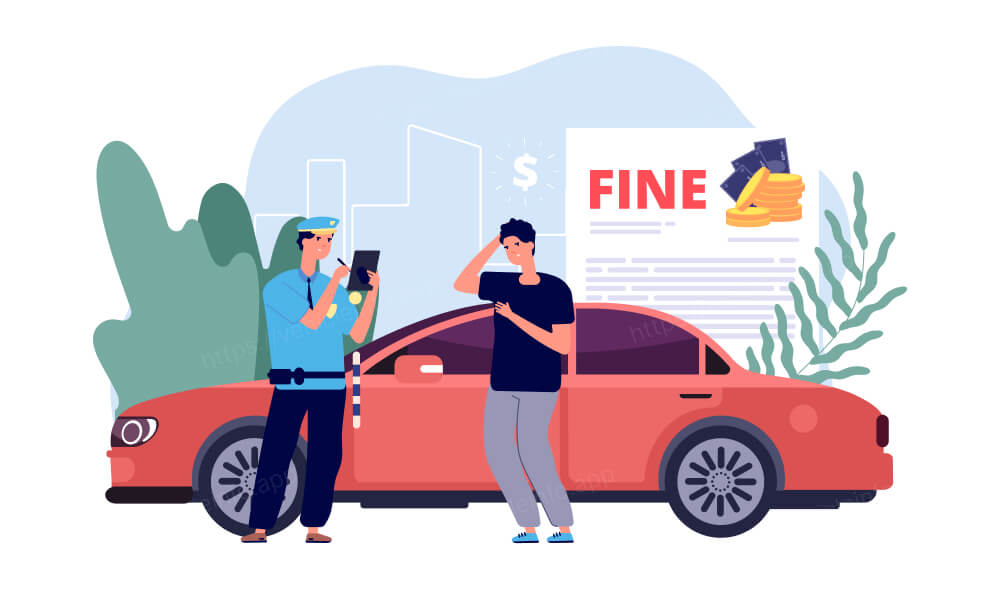
What Is a Drink and Drive Fine?
The First (and Often Least) of Your Worries
A drink and drive fine is a monetary penalty imposed when a person is found guilty of driving under the influence of alcohol. Depending on your location, it might be called a DUI (Driving Under the Influence), DWI (Driving While Intoxicated), or simply a drunk driving offense.
The fine itself is one part of the punishment. It’s typically issued by the court following a guilty plea or conviction, and it’s based on a few factors:
- YourBlood Alcohol Concentration (BAC) level
- Whether it’s your first offense or a repeat
- Whether you caused an accident
- The state or country where the offense occurred
- Any aggravating circumstances (like having a child in the car)
Even a first-time offender in some areas might face a fine of $500 to $2,000—and that’s just the court-ordered fee.
Real-Life Story: Adam’s $10,000 Night Out
Adam, a 25-year-old marketing assistant in Chicago, was pulled over after swerving slightly while driving home from a holiday party. His BAC was 0.10—over the legal limit of 0.08.
He paid a $1,200 drink and drive fine, but that was just the beginning. His license was suspended, he had to pay for DUI classes, legal fees, an ignition interlock device, and increased car insurance. The total cost? Over $10,000.
His case isn’t unique. Most people don’t realize that the drink and drive fine is just the tip of the iceberg.
How Are Drink and Drive Fines Calculated?
Factors That Influence the Amount
While each jurisdiction has its own structure for calculating a drink and drive fine, most follow a similar framework:
- First-time vs. Repeat Offender – Repeat offenses carry significantly higher fines.
- BAC Level – The higher your BAC, the steeper the fine.
- Accident Involvement – If there’s property damage, injury, or death, expect a much higher penalty.
- Refusal to Take a Breathalyzer – In many states, refusing a breath test leads to automatic penalties and higher fines.
- Local Laws – Each state or country sets its own fine range, so a DUI in California is financially very different than one in Florida or India.
Understanding your local regulations is a key part of grasping drink and drive fine structures. Some places even have minimum mandatory fines, which means the judge has no discretion to go lower.
Global Comparison: Drink and Drive Fines Around the World
Why Geography Matters
Here’s how drink and drive fines compare in different parts of the world:
- United States: Typically ranges from $500 to $2,500, with additional court fees, surcharges, and legal costs.
- Canada: Fines start at $1,000 CAD for first-time offenders.
- UK: Up to £5,000, plus a driving ban.
- Australia: Varies by state, but often $1,000 AUD and up.
- India: ₹10,000 for first-time offenders, recently increased from ₹2,000 to deter drunk driving.
While some countries prioritize license suspension or jail time, fines remain a common financial punishment worldwide. Knowing how your country or state handles drink and drive fine offenses is essential if you ever find yourself facing one.
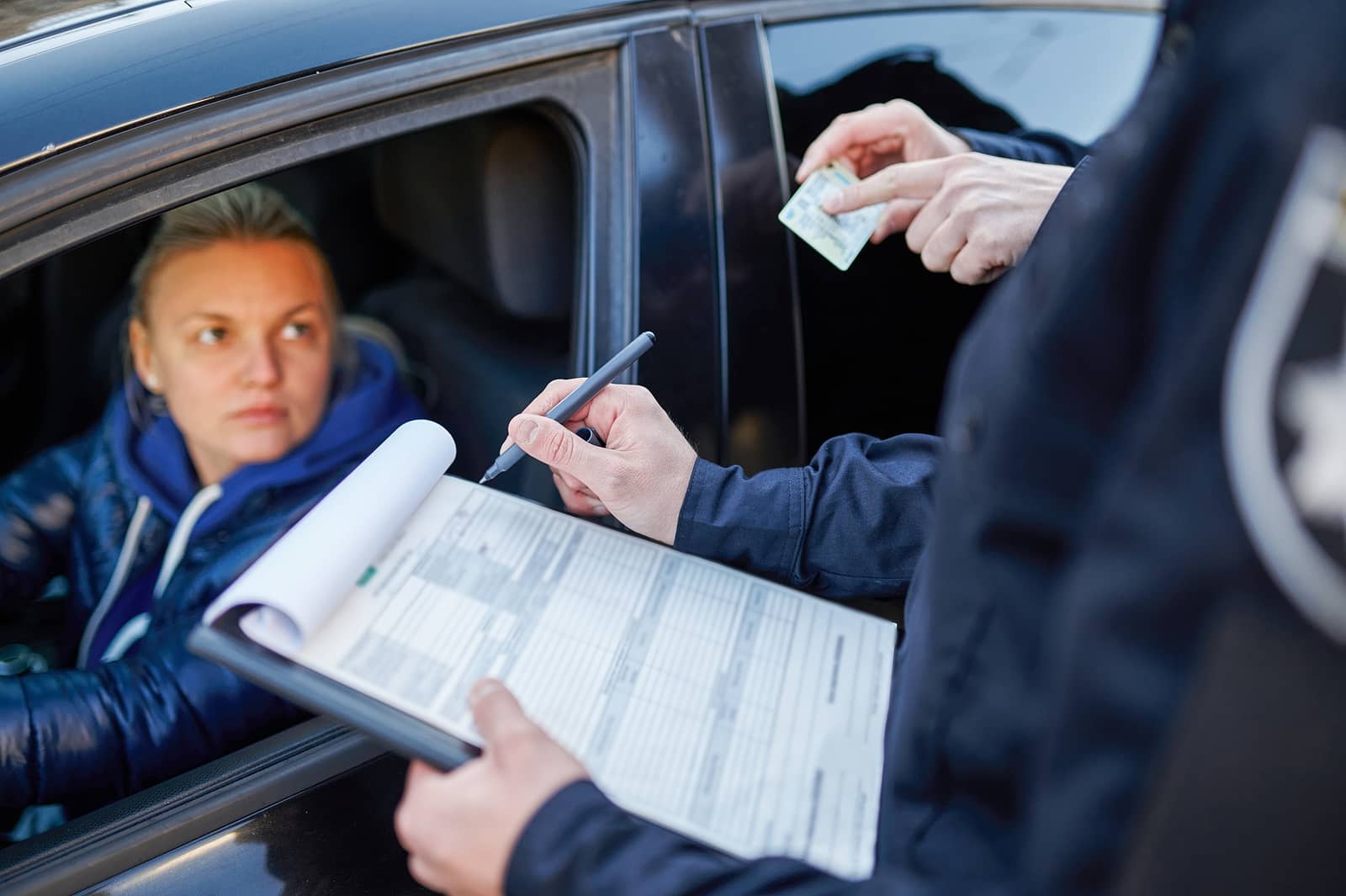
The Hidden Costs Beyond the Fine
Why That $1,000 Fine Could Cost You Much More
A drink and drive fine is often just the visible cost. Many offenders are surprised to discover that the true financial hit includes:
- Legal Fees – Hiring a DUI lawyer can cost anywhere from $1,000 to $10,000 depending on the case.
- Ignition Interlock Devices – Monthly fees and installation charges often exceed $1,200 annually.
- Court Costs and Processing Fees – Even if you pay your fine, you might owe additional charges for court time and administrative processing.
- DUI Classes or Alcohol Education – Required in many jurisdictions and not free.
- Increased Insurance Premiums – Perhaps the most painful cost, since your car insurance could double or triple for 3–10 years.
All in, a drink and drive fine might only account for 10–20% of what you’ll end up paying.
Can You Reduce or Avoid a Drink and Drive Fine?
Possible—but Not Easy
If you’re facing a drink and drive fine, your best bet is to consult an attorney. Depending on the facts of your case, you might be able to:
- Negotiate a plea deal
- Enter a diversion program
- Show evidence that challenges the arrest or testing procedure
- Prove necessity or mitigating circumstances (though rare)
In some jurisdictions, judges have discretion to lower fines if you can demonstrate financial hardship. However, the goal of drink and drive laws is to deter dangerous behavior—so sympathy is rare.
First-Time Offenders: What to Expect
The Law Isn’t Always Lenient
Many people think first-time offenders get a slap on the wrist. But even your first drink and drive fine can come with serious consequences:
- Fines: $500 to $2,000
- Jail Time: Up to 6 months in some states
- License Suspension: 3 months to a year
- Probation: Often mandatory
- Alcohol Monitoring: Random testing or ignition interlocks
If you’re under 21, expect zero-tolerance policies and even harsher penalties.
Understanding that your drink and drive fine is part of a larger web of penalties is crucial. It’s not just a “pay it and forget it” situation.
Repeat Offenses: Higher Stakes, Bigger Fines
The Law Comes Down Harder Each Time
Repeat DUI offenses are taken very seriously by courts. The drink and drive fine for a second or third offense is often double or triple the first-time amount.
You might face:
- Fines: $2,000 to $10,000 or more
- Mandatory jail time
- Long-term license revocation
- Felony charges, especially if someone was injured
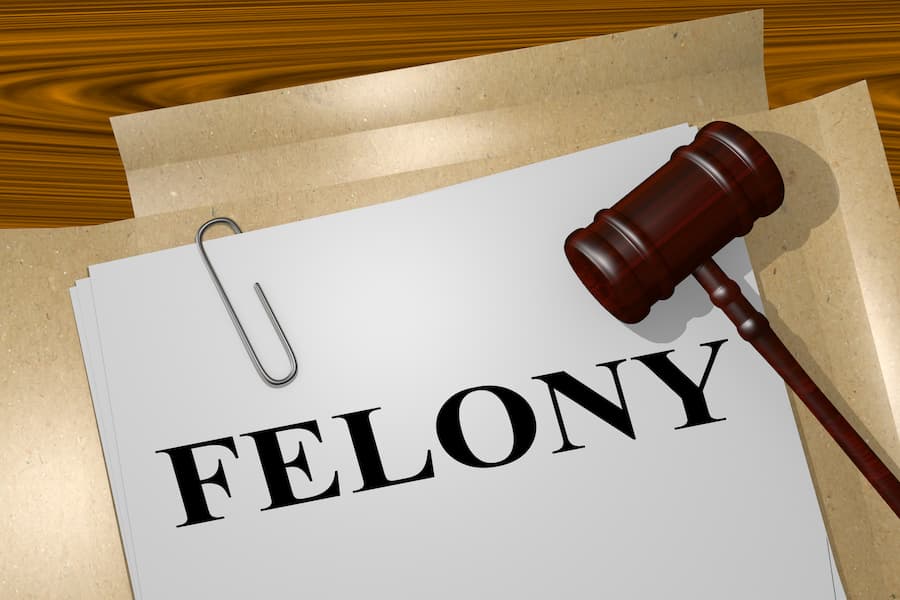
By your third offense, you’re no longer dealing with just fines—you’re facing prison, permanent record issues, and serious life disruption. The stakes are exponentially higher.
Real-Life Story: Sandra’s Three Mistakes
Sandra, a 38-year-old mother of two, was arrested for her third DUI in Nevada. Her previous fines had been $1,200 and $2,500. This time? Over $8,000 in fines alone, plus six months in jail, loss of her driver’s license for three years, and mandatory alcohol rehab.
Her life was never the same.
Sandra’s case illustrates how quickly a drink and drive fine escalates from an inconvenience to a life-altering consequence.
Paying the Fine: Options and Consequences
What Happens If You Can’t Afford It?
Courts expect you to pay your drink and drive fine on time. But if you can’t, you may have some options:
- Payment Plans – Many courts offer installment plans.
- Community Service in Lieu of Payment – In limited cases, this can be used to reduce or replace part of the fine.
- Hardship Hearing – Some jurisdictions allow you to request a reduced penalty based on income.
However, ignoring the fine altogether is a bad idea. It can lead to:
- License suspension
- Warrants for your arrest
- Additional fines and court fees
- Increased probation terms
Treat your drink and drive fine seriously—it won’t just go away.
How Fines Work With Other Penalties
Everything Stacks Up
Fines rarely stand alone. In almost every drink and drive case, the fine comes bundled with other penalties:
- Administrative license fees
- Reinstatement costs
- Court surcharges
- Restitution (if someone was injured)
- Ignition interlock maintenance
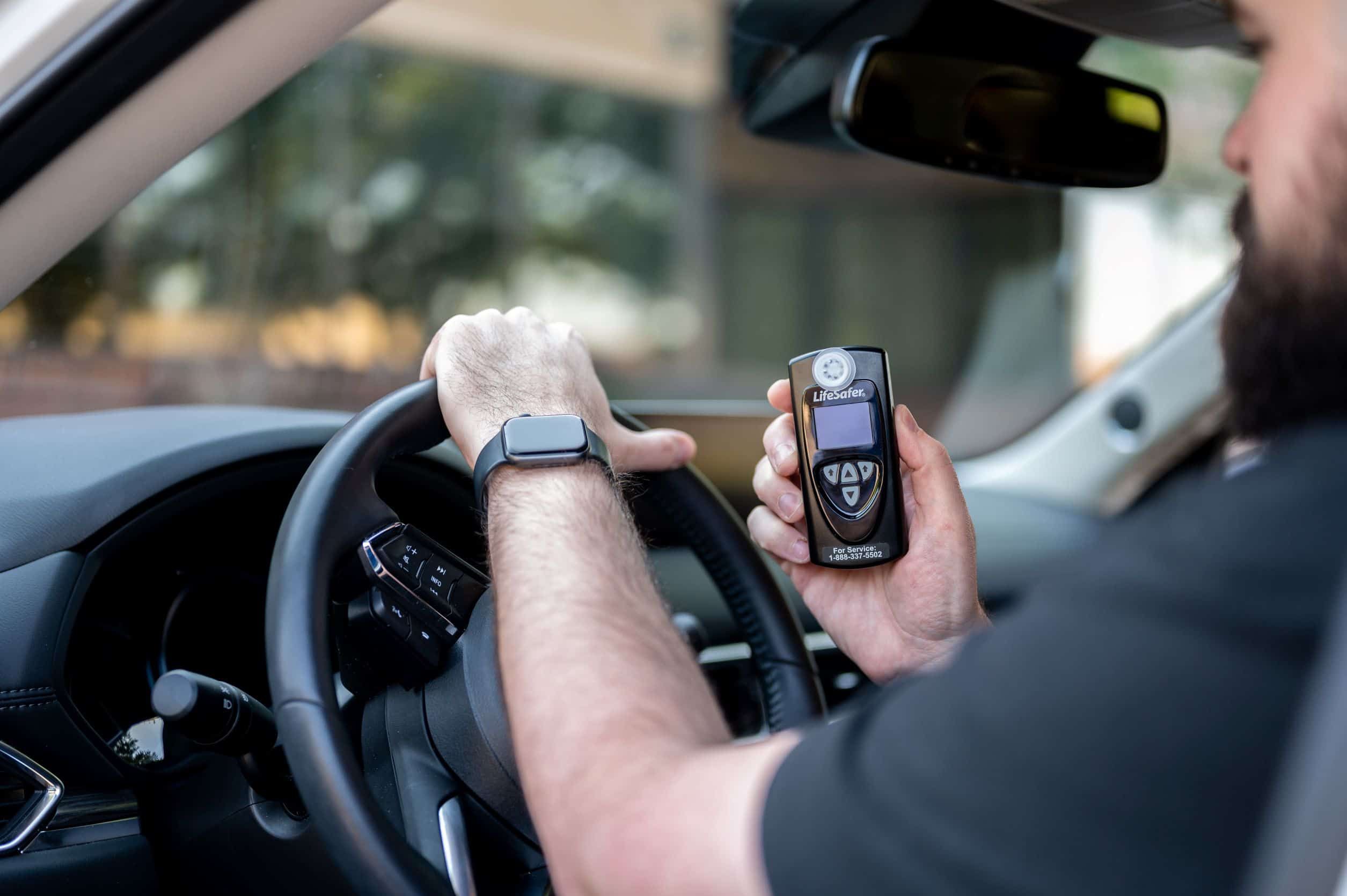
These are not optional. Together with your drink and drive fine, they create a pile of obligations that must be met to move on legally and financially.
Final Thoughts: Key Takeaways on Drink and Drive Fines
So, what’s the takeaway from this beginner’s guide to understanding drink and drive fine offenses? Simply put: the fine is just the beginning. What starts as a few hundred or thousand dollars can quickly snowball into a much larger financial burden—especially when you factor in legal fees, insurance hikes, and court requirements.
Whether it’s your first offense or a third, the drink and drive fine serves as a warning. It’s not just a punishment—it’s a sign that bigger consequences are coming if the behavior doesn’t change. The best way to handle a drink and drive fine? Avoid it entirely. If you’ve already received one, face it head-on, understand what you’re dealing with, and make smart legal and financial choices going forward.