If you’ve recently been arrested for DWI in Texas, chances are you’ve already heard the term “ALR hearing” tossed around—but what does it actually mean? And more specifically, what does it mean when your case is scheduled in one of the busiest counties in the state? Knowing what to expect at your Harris County ALR hearing could be the difference between keeping your license and facing months of suspension. The administrative license revocation process moves fast, and if you’re unprepared, you could easily miss critical deadlines or fumble your opportunity to challenge the suspension.
In this comprehensive breakdown, we’ll take a close look at the Harris County ALR hearing from a lawyer’s perspective. You’ll learn how the hearing works, what evidence matters most, what strategies can actually win your case, and how the local environment in Harris County shapes the process. Plus, we’ll sprinkle in real-world examples and courtroom insights so you get the full picture—no fluff, no confusing legal jargon.
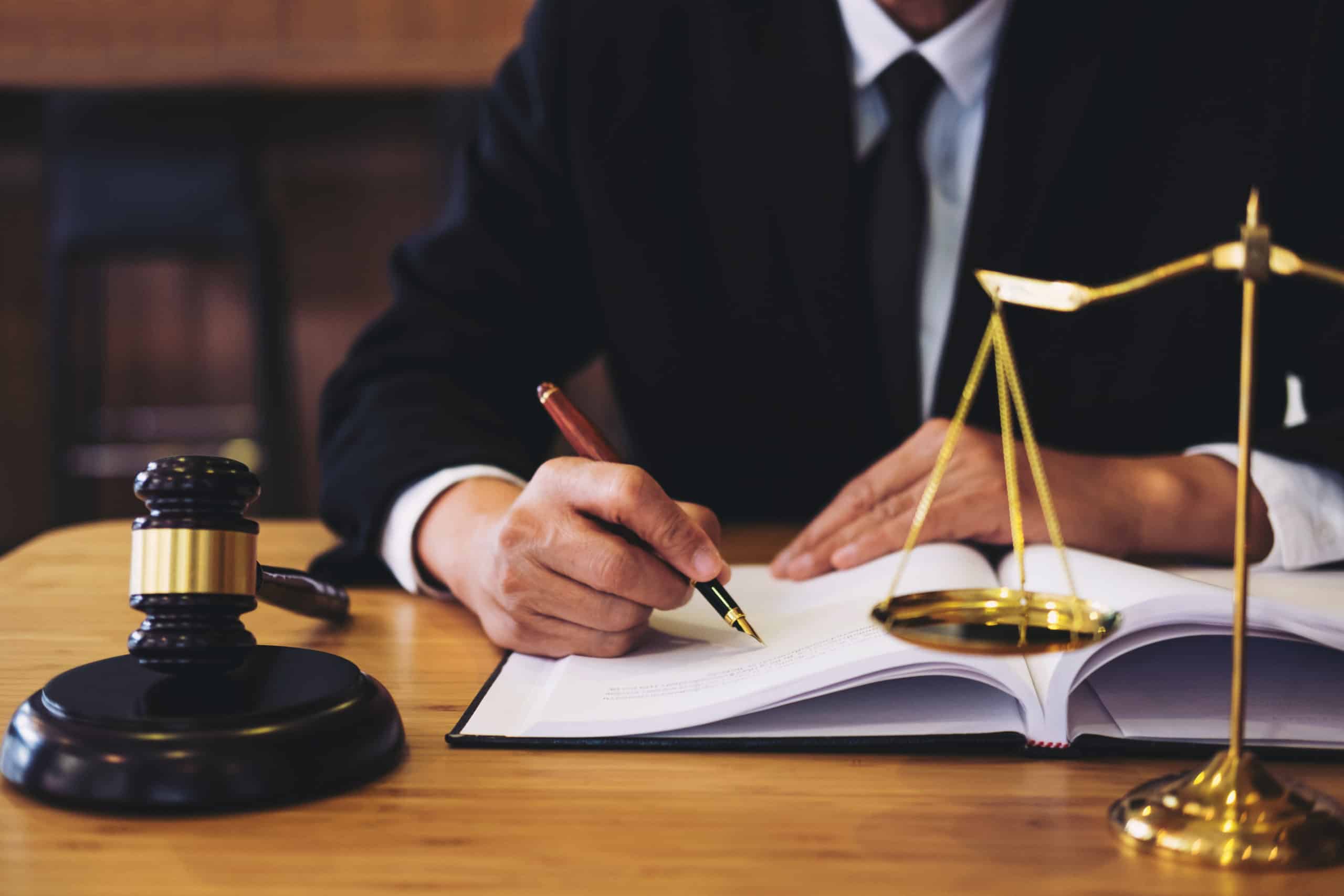
Understanding What an ALR Hearing Actually Is
Not a Criminal Trial—But Just as Important
An ALR hearing (Administrative License Revocation) is not part of your criminal DWI case. It’s a separate legal proceeding managed by the Texas Department of Public Safety (DPS) and adjudicated by the State Office of Administrative Hearings (SOAH). Its sole purpose? To decide whether your driver’s license should be suspended following your DWI arrest.
In Harris County, the ALR hearing is typically held at the SOAH hearing location in Houston. While it might not take place in a traditional courtroom, it’s still a serious legal matter that can directly impact your ability to drive—something most people take for granted until it’s taken away.
That’s why understanding how your Harris County ALR hearing unfolds is a critical step in fighting for your license.
The Timeline: When Things Move Fast, You Can’t Afford to Move Slow
You Have Just 15 Days to Respond
This is where many people make their first mistake: assuming they have weeks or months to prepare. In reality, once you’re arrested for DWI, you have only 15 days to request your ALR hearing. If you miss this window, your license will be automatically suspended—even if you’re later found not guilty in court.
That’s why the clock starts ticking the moment you’re arrested. If you plan to challenge the suspension, you must act immediately by filing a request with DPS. In Harris County, once your request is processed, you’ll receive a notice with the date, time, and location of your ALR hearing in Houston.
If you take nothing else from this article, remember this: to protect your license, do not miss the 15-day deadline.
What DPS Needs to Prove at Your Harris County ALR Hearing
The Burden Is on the State—But It’s Not as Heavy as You’d Think
Unlike a criminal trial, where the burden of proof is “beyond a reasonable doubt,” an ALR hearing only requires a preponderance of the evidence—meaning it’s more likely than not that you were intoxicated or refused a chemical test.
Here’s what DPS typically has to prove, depending on your situation:
If you refused the breath or blood test:
- The officer had a reasonable suspicion to pull you over
- You were lawfully arrested
- You were read the proper DIC-24 warnings
- You refused the test
If you failed the test (i.e., BAC ≥ 0.08):
- The stop and arrest were lawful
- You submitted to the test voluntarily
- The test was properly administered
- The result showed a BAC of 0.08 or higher
Understanding these details is key to defending yourself at a Harris County ALR hearing. If any of these elements are missing or flawed, your attorney can use that to argue for your license to be reinstated.

Real-Life Example: How One Mistake Saved a Driver’s License
A young man in Harris County was pulled over after drifting across a lane line late at night. The officer claimed he had bloodshot eyes and slurred speech. He was arrested for DWI and refused the breath test.
At his ALR hearing, the arresting officer didn’t appear. That alone wasn’t enough to win the case, but it gave his lawyer room to challenge the paperwork. After reviewing the officer’s report, the lawyer found that the DIC-24 warning hadn’t been read properly.
Because this warning is required by law, the administrative judge ruled that the state didn’t meet its burden. The man kept his license—even though his criminal DWI case continued.
This is a textbook example of why fighting your Harris County ALR hearing matters just as much as your court case.
What Happens at the Hearing Itself?
It’s a Legal Hearing—But Less Intimidating Than You Think
Your Harris County ALR hearing will likely be held in a small administrative hearing room. There won’t be a jury, but you will face a state administrative judge. If you have an attorney, they’ll handle most of the talking.
Here’s what typically happens:
- The DPS attorney presents evidence (usually the police report and chemical test results)
- Your attorney cross-examines the arresting officer (if present)
- Both sides make arguments
- The judge asks questions or requests clarification
- A decision is issued—sometimes on the spot, but often by mail within days or weeks
If you represent yourself, you’re held to the same standard as a lawyer, which can be overwhelming. That’s why most people retain counsel for their Harris County ALR hearing, even if they plan to fight the DWI separately.
Can You Win an ALR Hearing?
Absolutely—But You Need a Strategy
Many people assume the ALR hearing is a lost cause. But that’s simply not true. You can win your case if:
- The officer didn’t appear or file correct paperwork
- The stop lacked reasonable suspicion
- The arrest wasn’t lawful
- The BAC test was flawed or improperly administered
- The DIC-24 warning wasn’t properly given
In Harris County, where the volume of cases is high, procedural errors happen more often than you’d think. And those errors create opportunities.
Winning your Harris County ALR hearing won’t make your DWI go away, but it can:
- Keep your driving privileges intact
- Give your lawyer early access to evidence
- Help shape your strategy for the criminal case
That makes it well worth the fight.
Occupational License: Your Backup Plan
If You Lose, All Is Not Lost
If you don’t win your hearing, your license will be suspended. The duration depends on whether you refused testing or failed it:
- Refused test: 180-day suspension (1st offense)
- Failed test: 90-day suspension (1st offense)
However, you can apply for an occupational license, which allows you to drive for essential purposes like work, school, and medical appointments. In Harris County, you’ll need to file in the proper court and show good cause for needing one.

Still, the goal is to win your Harris County ALR hearing so you never have to apply for one at all.
Why the ALR Hearing Helps Your Criminal Defense
Think Bigger Than Just the License
One of the most overlooked benefits of the ALR hearing is that it allows your lawyer to:
- Cross-examine the arresting officer
- Obtain early evidence
- Identify inconsistencies in reports or testimony
- Set the stage for suppression motions in the criminal case
In Harris County, where the criminal court system is often overloaded, these insights can be incredibly valuable in shaping how your DWI case is defended.
So even if you’re skeptical about your chances, the ALR hearing is an important tool—not just to save your license, but to improve your overall legal position.
Real-Life Scenario: A Win in the ALR Helped in Court
Teresa, a 26-year-old nursing student, was pulled over near downtown Houston for speeding. The officer claimed to smell alcohol, but Teresa passed two field sobriety tests and submitted to a breath test. Her BAC came back 0.079—just under the legal limit.
Still, she was arrested. At her Harris County ALR hearing, her attorney emphasized the clean test results and showed that the officer exaggerated signs of intoxication.
The administrative judge dismissed the suspension, and when her DWI case reached court, her lawyer used that decision as leverage to negotiate a dismissal.
The outcome? No criminal conviction, and no loss of license. A perfect example of why preparing for your ALR hearing in Harris County can pay off.
Tips for Navigating the Harris County ALR Hearing
How to Set Yourself Up for Success
- Hire an experienced DWI attorney who knows the local judges and DPS attorneys
- Request your hearing within 15 days of your arrest—no excuses
- Bring your paperwork, including your temporary license and DIC-24
- Dress professionally and show up early
- Be honest with your attorney about what happened
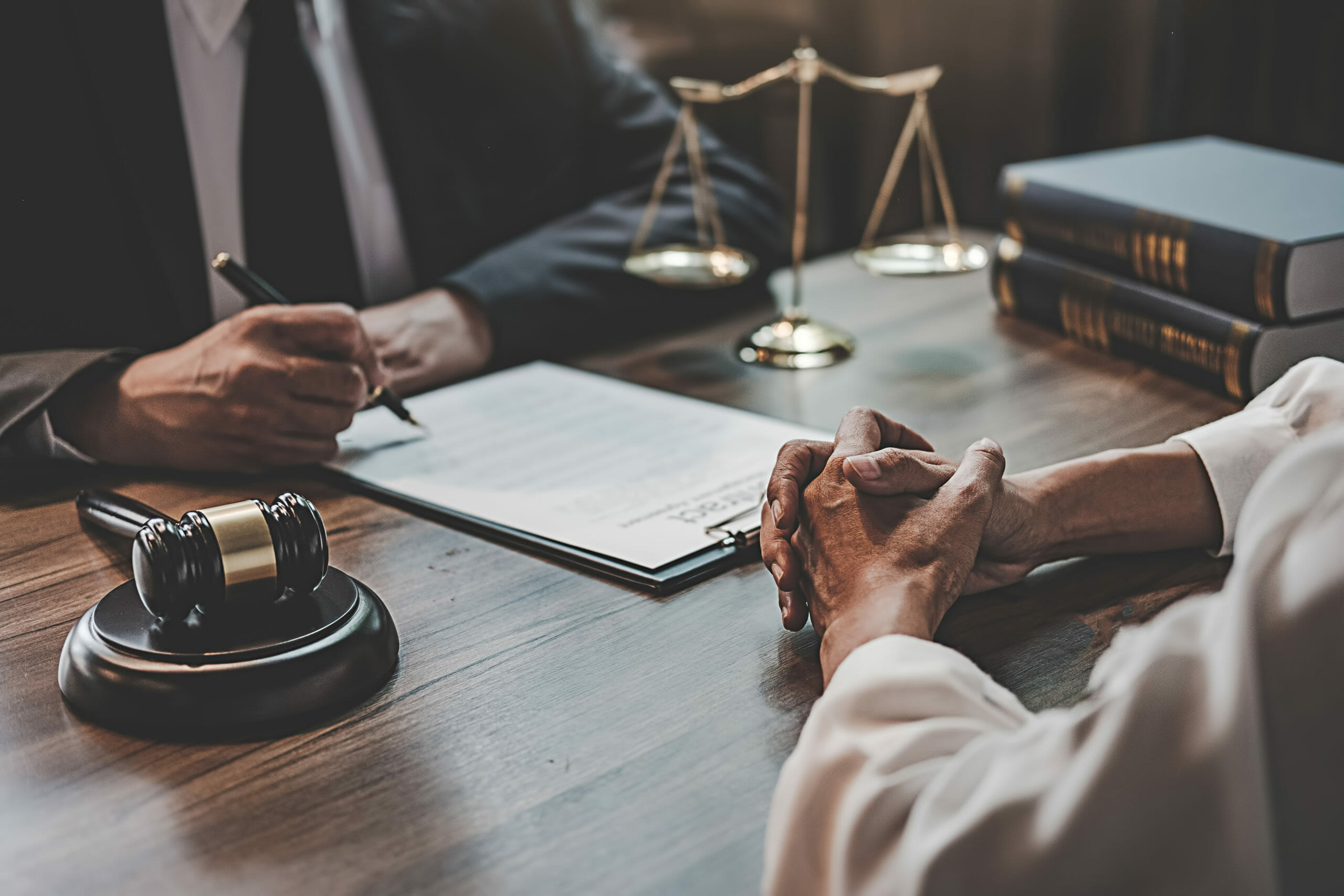
This isn’t the time to wing it. The more prepared you are, the better your chances of walking away with your license intact.
Final Thoughts on the Harris County ALR Hearing Process
A DWI arrest can feel like the beginning of the end—but it doesn’t have to be. With the right strategy and fast action, your Harris County ALR hearing can become a turning point, not a dead end. It’s a real chance to challenge the evidence, get your story on record, and protect your license.
Yes, the system moves fast. Yes, it’s intimidating. But knowledge is power, and preparation is everything. So don’t ignore that hearing notice. Don’t delay. The sooner you start fighting, the more options you’ll have—and the better your chances of success.