The drink driving law is one of the most strictly enforced legal statutes across jurisdictions worldwide—and for good reason. From fatal accidents to irreversible injuries, the consequences of driving under the influence of alcohol have led lawmakers to draw a hard line. In this guide, we’ll explore the legal consequences of drink driving law and how to avoid them, through real-life examples, practical tips, and an analytical breakdown of what happens from arrest to courtroom—and beyond.
Let’s dive into the not-so-sober truth behind drink driving offenses and the serious legal implications they carry.
Understanding the Basics of Drink Driving Law
What Is Drink Driving?
Drink driving, also known as driving under the influence (DUI) or driving while intoxicated (DWI), refers to operating a vehicle after consuming alcohol beyond the legal limit. The blood alcohol concentration (BAC) limit varies by country (and sometimes by region), but typically ranges between 0.05% to 0.08%.
Legal Limits Around the World
- United States: 0.08% BAC for adults, 0.00% or 0.02% for minors depending on the state.
- United Kingdom: 0.08% in England and Wales; 0.05% in Scotland.
- Australia: 0.05% for most drivers; 0.00% for learners and commercial drivers.
- India: 0.03% BAC limit, with some states imposing stricter penalties.
What’s important is that drink driving law often goes beyond just the numbers. Even if you’re under the limit, you could still be charged if your driving is impaired.
Legal Consequences of Drink Driving Law: What’s at Stake?
1. Criminal Charges and Court Proceedings
One of the most immediate legal consequences of violating drink driving law is being arrested and charged with a criminal offense. Depending on the jurisdiction and the severity (e.g., first offense vs. repeat offender), drink driving can lead to:
- Misdemeanor charges (for first-time offenders)
- Felony charges (for repeat offenses or if injury/death occurs)
- Court-mandated programs such as alcohol education or rehabilitation
Let’s not forget the court costs, legal fees, and the emotional toll of facing a judge and jury.
Real-life example: A 32-year-old software developer in Texas was arrested for his second DUI in 2023. Though nobody was injured, his case escalated to a felony due to the prior offense. He lost his job after failing a background check.
2. License Suspension or Revocation
Drink driving law usually comes with automatic license suspension. In some states and countries, your license can be revoked on the spot if your BAC is significantly over the limit.
Typical durations:
- First offense: 6 months to 1 year
- Second offense: 1 to 3 years
- Third offense or more: Permanent revocation in severe cases
You may be able to apply for a restricted license for work or medical needs—but only under strict conditions.
3. Heavy Fines and Financial Penalties
Fines for drink driving range from hundreds to thousands of dollars. In some countries, the penalty is scaled based on your income. These fines can cover:
- Court fees
- Towing and impound costs
- Alcohol assessment programs
- Increased insurance premiums (more on that shortly)
:max_bytes(150000):strip_icc()/GettyImages-1141164585-5486d44770c94a2784185a75be37a6fa.jpg)
4. Imprisonment
For serious violations of drink driving law—especially when harm to others is involved—jail time is likely:
- First offense with no injury: 1 day to 6 months (varies)
- With injury or death: 1 year to life in prison
- Multiple offenses: Cumulative prison terms, sometimes without parole
5. Probation and Community Service
Instead of jail time (or in addition to it), courts often sentence offenders to:
- Probation, with conditions like drug testing and check-ins
- Community service, often ranging from 20 to 100+ hours
Break probation terms, and you may end up behind bars.
Hidden Costs of Drink Driving That Go Beyond the Law
The Social Fallout
People often forget that the social consequences of drink driving law are just as devastating as the legal ones:
- Stigma: Friends, family, and coworkers may view you differently.
- Career obstacles: Many professions—including law, education, healthcare, and aviation—won’t hire or retain someone with a DUI record.
- Immigration and travel restrictions: Canada, for instance, may bar entry if you have a DUI.
Insurance Nightmares
Once you’ve been convicted under drink driving law, expect your car insurance premiums to skyrocket—if your insurer doesn’t drop you altogether. You may be required to get SR-22 insurance, a special policy for high-risk drivers.
This can cost two to three times more than standard coverage—and may be required for up to five years.
How Drink Driving Affects Different Groups
Young Drivers and Zero Tolerance Laws
Many countries have zero tolerance for young or novice drivers. Even trace amounts of alcohol (as low as 0.01% BAC) can trigger a charge.
In the U.S., a 19-year-old college freshman was arrested for DUI after consuming just one beer. He was expelled from school, lost his scholarship, and had to complete a court-mandated alcohol awareness program.
Commercial Drivers
If you’re driving a commercial vehicle, your professional license (CDL) is on the line. The drink driving law often sets stricter BAC limits—sometimes 0.02%—and any conviction can result in a permanent ban from the industry.
International Visitors
If you’re traveling abroad, a DUI can lead to deportation, denial of entry, or long-term visa bans—especially in countries with strict immigration policies.
Real-Life Consequences: Case Studies That Hit Home
Case Study 1: A Tragic Turn on Graduation Night
In 2022, a 17-year-old girl in California drove under the influence after a graduation party. She crashed into a family of four—killing a mother and child. She was charged with vehicular manslaughter while intoxicated, sentenced to 15 years in prison, and will carry the emotional scars forever.
Case Study 2: A Career Destroyed by One Mistake
A high-performing sales executive in New York was arrested for DUI after a corporate event. Despite no injuries and a clean record, he lost his job and faced $15,000 in legal and insurance costs. His professional license was suspended for a year.
How to Avoid Breaking Drink Driving Law
Plan Ahead Before You Drink
One of the best ways to avoid the consequences of drink driving law is to plan before you start drinking:
- Use a ride-share app: Uber, Lyft, and local taxi services.
- Designate a sober driver ahead of time.
- Stay overnight at the event location if possible.
- Use public transit or walk if the area is safe.
Know Your Limits—and Then Go Lower
Even one drink can affect coordination, judgment, and reflexes. Instead of trying to calculate your BAC, assume any alcohol could impair you.
Tip: Carry a personal breathalyzer. Many are affordable and provide a quick BAC estimate.
Use Alcohol-Free Alternatives
If you’re the driver, consider:
- Mocktails
- Alcohol-free beers or wines
- Sodas or sparkling water with lime
These alternatives let you participate socially without risking your safety—or someone else’s.
Legal Alternatives and What to Do If You’re Stopped
Know Your Rights During a Stop
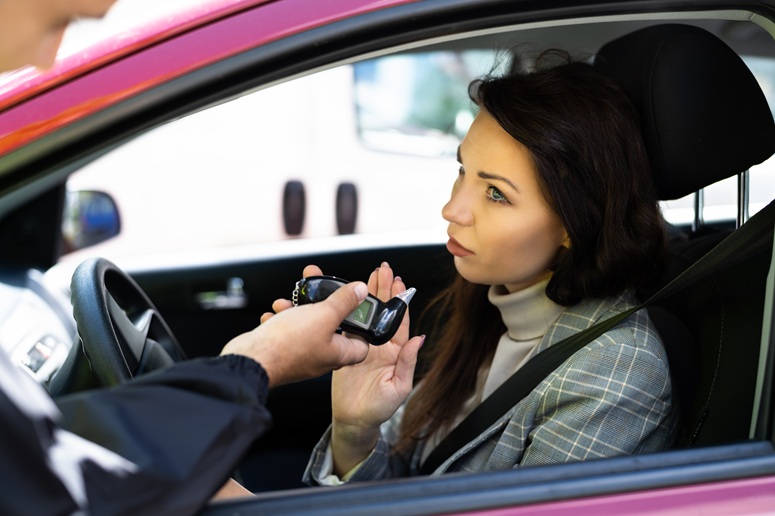
If you’re pulled over on suspicion of drink driving:
- Stay calm and polite
- Provide ID, registration, and insurance
- You may refuse field sobriety tests, but this can lead to automatic penalties in some states
- Breathalyzer refusal: In many areas, refusal leads to immediate license suspension—even if you’re not over the limit
Contact a DUI Attorney Immediately
If you’ve been arrested or charged under drink driving law, the smartest move is to contact a qualified DUI defense attorney. They can:
- Review the legality of your stop
- Challenge breathalyzer results
- Negotiate reduced charges
- Help restore your license faster
Mitigating the Damage After a Conviction
Attend Alcohol Education or Rehab Programs
Courts often favor defendants who voluntarily attend:
- Alcohol education programs
- 12-step programs like AA
- Rehabilitation or therapy
These show responsibility and can lead to reduced sentences or early license reinstatement.
Apply for Record Expungement (If Eligible)
In some jurisdictions, you may be able to expunge or seal your DUI record—especially for first-time offenses. This can help restore your ability to:
- Get a job
- Rent property
- Travel abroad
Eligibility varies widely, so consult a lawyer early.
The Road to Recovery: Rebuilding Your Life
Emotional and Mental Health Support
Facing the fallout of drink driving law is stressful. It’s okay to seek help through:
- Therapists
- DUI support groups
- Online forums or recovery communities
You are not alone, and recovery is possible.
Restoring Trust with Family and Friends
Admitting your mistake, taking full responsibility, and committing to change are key. This might include:
- Regular check-ins
- Staying sober
- Completing community service with sincerity

Rebuilding trust takes time, but it’s worth every step.
Final Thoughts: Drink Driving Law Isn’t Just a Rule—It’s a Lifeline
At the end of the day, the legal consequences of drink driving law and how to avoid them isn’t just about protecting your legal record—it’s about saving lives. One poor decision behind the wheel can ripple out and impact dozens of lives in a split second.
Avoiding drink driving is not just smart—it’s essential.
Whether you’re reading this because you’re worried about a recent incident, researching for a loved one, or trying to stay informed—let this serve as a wake-up call. The law is clear, the risks are high, and the consequences are real. But so are the solutions.