Understanding Restraining Orders in Texas
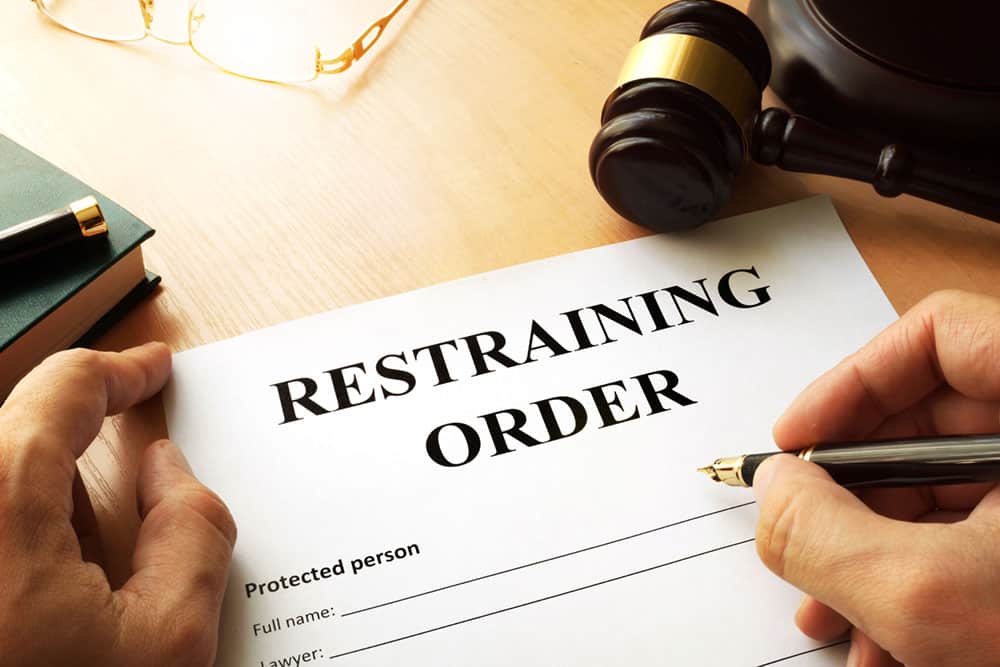
Restraining orders are legal tools designed to protect individuals from harassment or harm. In Texas, these orders can prevent an abuser from contacting or coming near the victim, providing a crucial layer of safety for those experiencing domestic violence or stalking.
There are different types of restraining orders, including temporary ex parte orders and final protective orders. A temporary order can be issued quickly, often without the abuser present, while a final order typically requires a court hearing and can last for several years. Understanding the distinctions between these orders is essential for anyone seeking protection under Texas law.
Steps to Obtain a Restraining Order in Texas
The process of obtaining a restraining order in Texas involves several key steps that victims must follow. Initially, the individual must file a petition with the court, detailing the reasons for the request and providing any supporting evidence or documentation.
After filing, a hearing is usually scheduled where both parties can present their cases. It’s important to have legal representation during this process to navigate the complexities of the law and ensure that the victim's rights are protected throughout the proceedings.
Consequences of Violating a Restraining Order
Violating a restraining order in Texas can lead to severe legal consequences for the offender. The penalties may include fines, jail time, or both, depending on the nature and frequency of the violations.
Additionally, a violation can adversely affect the offender's legal standing in ongoing custody or divorce proceedings, as it demonstrates a disregard for the law and the safety of others. Understanding these consequences can serve as a deterrent for potential violators and provide peace of mind for victims.
Legal Resources for Victims of Domestic Violence
Victims of domestic violence in Texas have access to various legal resources that can assist them in seeking protection and navigating the legal system. Organizations such as the Texas Council on Family Violence offer support, information, and referrals to legal aid services.
Additionally, local legal aid offices can provide free or low-cost legal assistance to those who qualify. Knowing where to find these resources is crucial for victims seeking help, as they can greatly enhance their chances of achieving a favorable outcome in their cases.