If you’ve ever opened Waze while driving late at night and noticed an alert about police ahead, you’re not alone. In fact, Waze DUI checkpoints have become a hot topic of debate across law enforcement, privacy advocates, and everyday drivers. But what exactly are Waze DUI checkpoints, and how do they differ from the offenses typically associated with impaired driving?
In this comprehensive guide, we’ll explore the key differences between Waze DUI checkpoints and similar offenses. We’ll break down how the Waze app works, whether it’s legal to report checkpoints, and how using such features compares to committing—or being accused of—a DUI offense. Through real-life examples, legal analysis, and a conversational tone, we’ll navigate the often-blurry line between staying informed and interfering with public safety.

What Are Waze DUI Checkpoints?
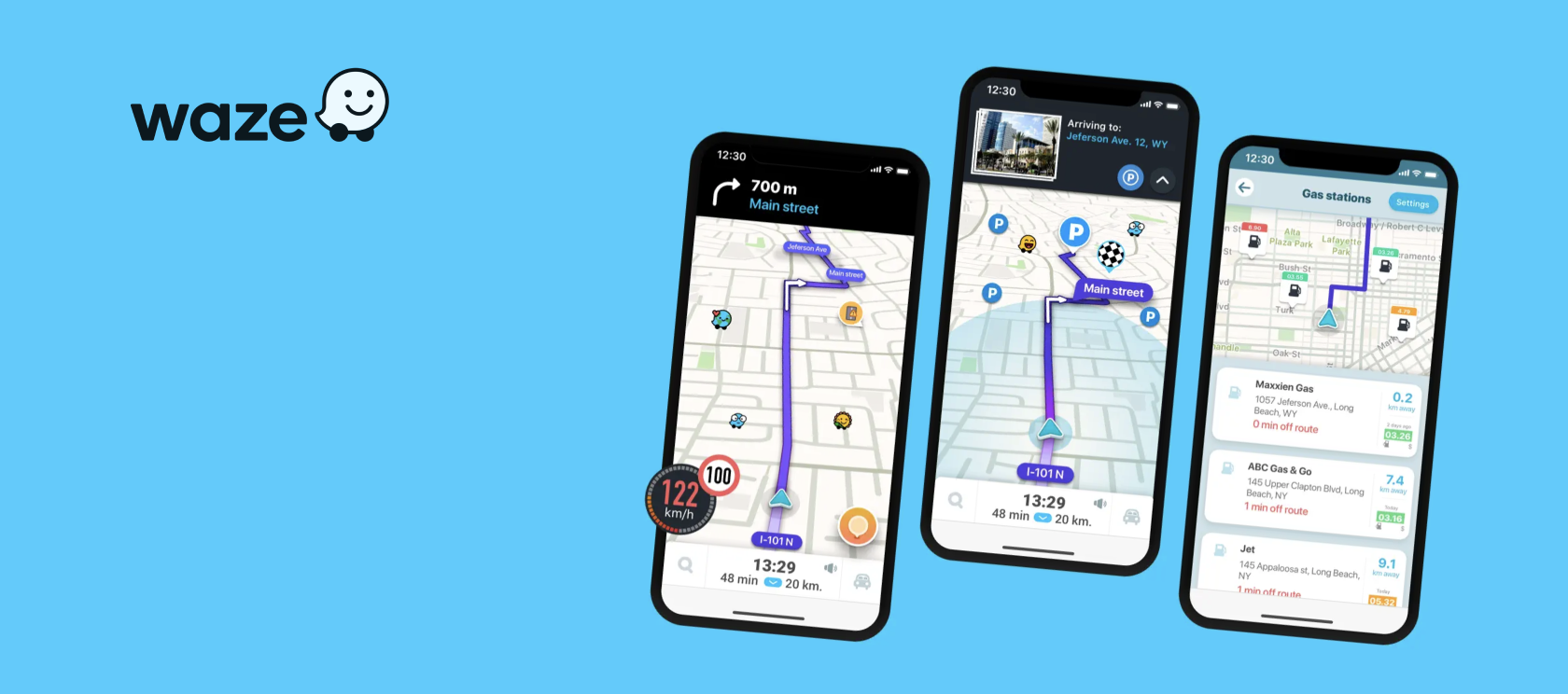
Let’s start with the basics. Waze is a community-based navigation app owned by Google. It allows users to report real-time road conditions, accidents, speed traps—and yes, police checkpoints. When users report a police presence, it shows up on the app’s map for other drivers to see.
So when people talk about “Waze DUI checkpoints,” they’re referring to police checkpoint locations—often aimed at catching impaired drivers—that have been marked and shared on the Waze map. These reports are user-generated, meaning the app relies on people to submit them manually.
Waze doesn’t specifically tag them as “DUI” checkpoints, but that’s often the assumption. Drivers see a reported police presence at 11 p.m. on a weekend and put two and two together. And they’re often right.
Real-Life Story: Jason’s Late-Night Reroute
Jason, a 29-year-old bartender in Miami, clocked out at 2 a.m. and opened Waze for directions home. He spotted a reported police checkpoint near his usual route and took an alternate path. Jason wasn’t intoxicated, but he had an expired registration and didn’t want the hassle.
The next day, he told coworkers how Waze helped him avoid trouble. One colleague joked that the app saved him from a DUI the month before. Stories like Jason’s show how Waze DUI checkpoints have evolved into a tool some drivers use to steer clear of legal consequences—whether those consequences are valid or not.
Are Waze DUI Checkpoints Legal to Report?
This is where things get interesting. The legality of reporting police activity on apps like Waze is hotly debated.
The First Amendment Argument
Many argue that sharing checkpoint locations is protected under the First Amendment. People have a right to communicate freely, including information about police activity visible to the public. After all, if you can flash your headlights to warn other drivers, why not mark a checkpoint on an app?
Law Enforcement’s Perspective
Police departments see things differently. Some argue that reporting checkpoints on Waze interferes with public safety efforts to reduce drunk driving. There have even been calls for Google to remove the feature entirely, though the company has not complied.
Legal Precedent
To date, no U.S. court has ruled that reporting DUI checkpoints on Waze is illegal. That doesn’t mean it’s risk-free, especially if you add false reports or interfere directly with an operation.
In other words, the act of marking Waze DUI checkpoints isn’t currently illegal—but it walks a legal and ethical tightrope.
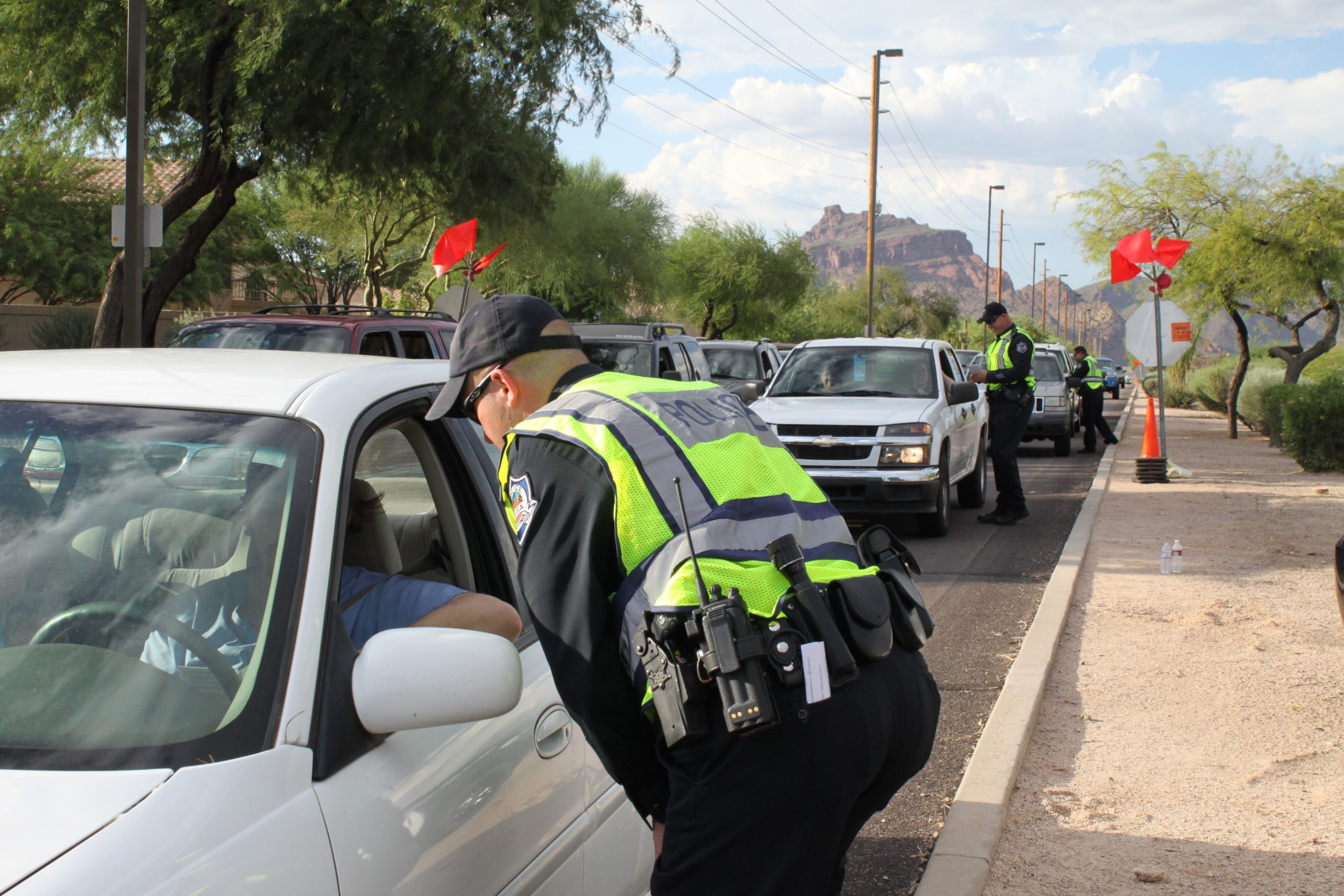
Waze DUI Checkpoints vs. Actual DUI Offenses
Understanding the key differences between Waze DUI checkpoints and DUI offenses begins with intent and outcome.
DUI Checkpoint Reports on Waze
- User-generated
- Preventive or informative in nature
- Not a criminal act
- May help avoid police contact altogether
DUI Offenses
- Involve operating a vehicle under the influence
- Are criminal in nature (misdemeanor or felony)
- Come with legal penalties: jail, fines, license suspension
- Require evidence such as BAC, field sobriety tests, or video
In essence, Waze DUI checkpoints are passive—a tech tool for awareness. A DUI offense is an active violation of the law. One provides a warning; the other is a prosecutable action.
Can Waze Encourage Reckless Behavior?
Critics of Waze argue that alerting drivers to police checkpoints might unintentionally promote reckless decisions. For instance:
- Drivers may speed or make erratic maneuvers to avoid a checkpoint
- Impaired drivers could rely on Waze instead of arranging safe rides
- People with warrants or no insurance might flee the scene
On the flip side, Waze also alerts drivers to hazards, traffic jams, and road closures. Some believe that giving people more information helps them make smarter, safer decisions.
There’s no definitive data yet showing whether Waze DUI checkpoints increase or decrease public safety. But the debate continues to grow.
Real-Life Story: Lauren’s Close Call
Lauren, a 25-year-old nursing student in Los Angeles, had two glasses of wine at a dinner party and felt “okay” to drive home. On the way, she checked Waze and saw a reported police stop ahead. She pulled into a parking lot to wait it out.
While sitting there, she reconsidered her decision and called a rideshare instead. “That alert probably saved me from myself,” she later told a friend. Lauren’s story is one of many where Waze DUI checkpoint features may have led someone to avoid a risk altogether.
Similar Offenses Often Confused with DUI
People sometimes confuse the act of avoiding a checkpoint—either through Waze or by turning around—as being comparable to DUI or obstructing justice. But here’s where the distinctions matter. The legal consequences for these actions differ significantly, and misunderstanding them can lead to unnecessary fear or missteps.
Obstruction of Justice
This involves knowingly interfering with a police investigation or operation. Simply rerouting after seeing a Waze alert doesn’t meet this standard unless you actively warn others in a way that hinders arrests. However, using Waze to intentionally mislead others or tamper with enforcement efforts could bring legal attention.
Evading Police
This is a separate criminal offense that involves fleeing from an officer attempting to detain you. Seeing a Waze alert and changing course isn’t the same as speeding away from a traffic stop. The key difference lies in whether you were being directly pursued or ordered to stop by law enforcement.
Reckless Driving
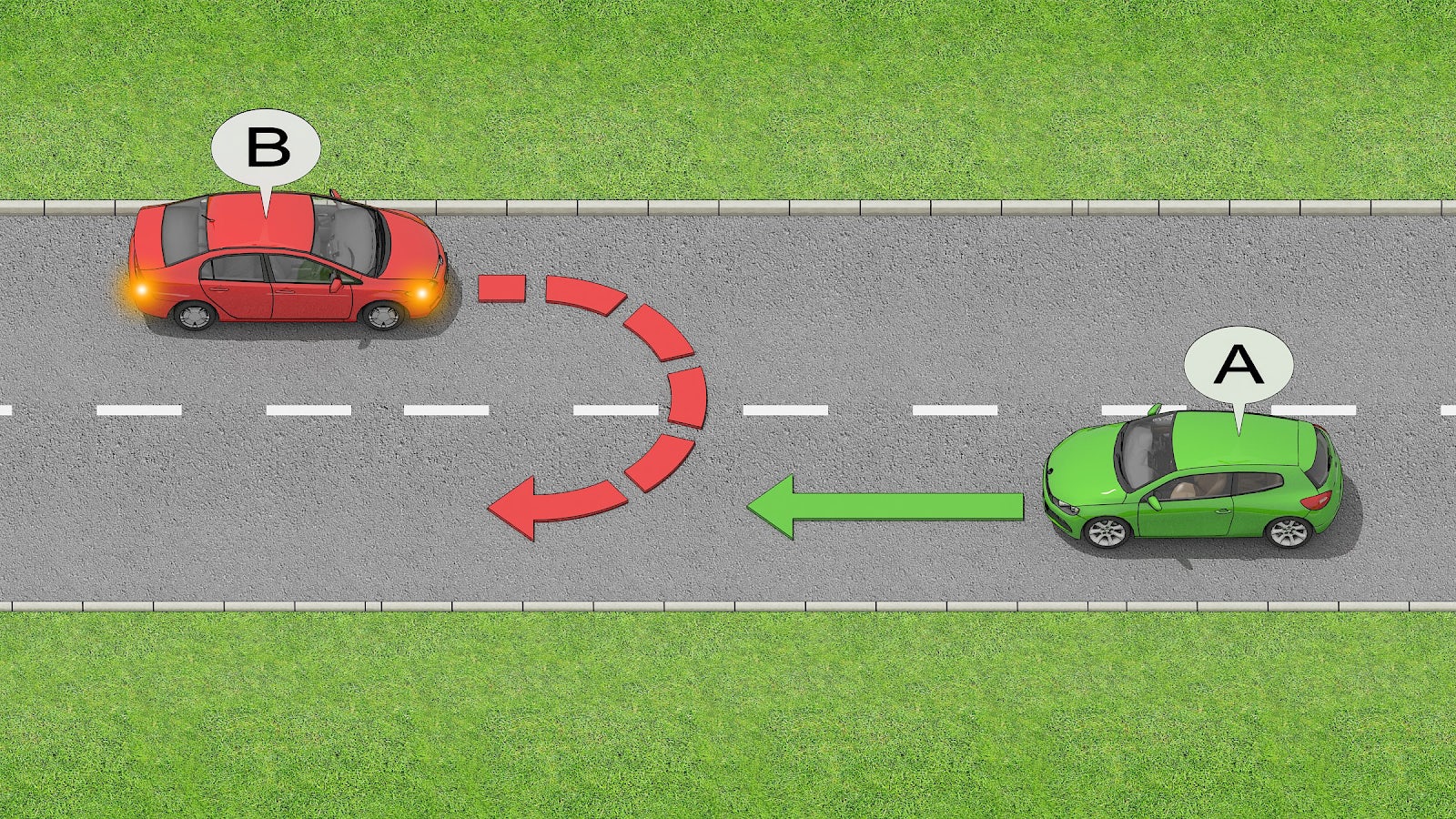
Making sudden illegal U-turns, swerving across lanes, or driving off-road to avoid a checkpoint could result in reckless driving charges—even if you’re sober. Actions that compromise safety or violate traffic laws can be penalized regardless of your intent or sobriety level.
Legal Gray Areas: Can Posting on Waze Backfire?
While it’s rare, there are scenarios where posting police locations on Waze could create legal issues:
- False reports: Intentionally posting fake police sightings could be considered obstruction or misuse of public platforms.
- Incriminating yourself: In rare cases, digital records could link a Waze report to a user’s own legal issues.
- Group coordination: Organizing mass efforts to undermine DUI enforcement could face scrutiny, especially if done publicly.
Again, none of this has led to widespread prosecution—but it underscores that sharing Waze DUI checkpoints isn’t always a risk-free act.
Law Enforcement’s Response to Waze DUI Checkpoints
Some departments have adapted. Instead of trying to shut down Waze’s features, they use the app themselves—posting verified locations or monitoring reports to assess public awareness. By embracing the platform, they aim to increase transparency while staying connected with the community.
Others argue that publicizing checkpoint locations actually helps. Research shows that visible enforcement, even if avoidable, deters people from drinking and driving in the first place. The perception of being watched—even through an app—can influence behavior more than the actual presence of officers.
It’s a bit of a cat-and-mouse game, with technology constantly reshaping how enforcement and the public interact. As both sides evolve, the balance between public safety and digital freedom continues to be a moving target.
Real-Life Story: Officer Grant’s Perspective
Officer Grant, a traffic cop in Dallas, said in an interview that he doesn’t mind Waze alerts. “The goal is deterrence,” he explained. “If a Waze ping makes someone think twice before drinking and driving, then it’s working.”
Grant’s department even considered publishing their own checkpoint notices ahead of time to increase deterrence. “We’d rather prevent DUIs than catch them,” he said.
Tips for Using Waze Responsibly
If you choose to use Waze for navigation, keep these tips in mind:
- Use the app hands-free to avoid distracted driving
- Don’t post false police sightings—it undermines credibility
- Use alerts as a cue to check your own driving habits
- Don’t rely on it as a legal shield—it’s not foolproof
- Remember: avoiding a checkpoint doesn’t erase your obligations under the law
The more responsibly people use tools like Waze, the more beneficial they are for everyone on the road.
Final Thoughts: Waze DUI Checkpoints vs. DUI Offenses
So what’s the takeaway when comparing Waze DUI checkpoints to traditional DUI offenses?
They are fundamentally different. One is a piece of crowd-sourced technology aimed at awareness. The other is a criminal offense with serious, life-altering consequences. Yet both play into the same public narrative—how to keep roads safe and drivers informed.
Understanding the key differences between Waze DUI checkpoints and similar offenses is crucial. It helps you use tech tools responsibly while respecting the law and protecting public safety. Whether you’re a cautious driver using Waze to avoid slowdowns or someone trying to make better decisions after a close call, knowledge is your most powerful asset.