Assault hearsay evidence Texas courts deal with is often misunderstood because many people think hearsay automatically gets thrown out of court. In reality, hearsay frequently appears in assault cases, and judges sometimes allow it even when the original speaker never testifies.
For example, after a late-night fight outside a Houston restaurant, police may rely on a 911 call, witness statements, or comments made at the scene if the alleged victim later refuses to appear in court. Prosecutors may still try to use those statements as evidence, which can lead to major legal arguments over whether the jury should hear them.
Hearsay rules exist because courts prefer reliable testimony from witnesses who can appear in court and answer questions directly. However, emergencies, changing stories, and missing witnesses often complicate assault cases, so Texas courts recognize several exceptions that may allow hearsay evidence under certain circumstances. Understanding these rules is important because hearsay decisions can strongly affect assault trials, plea deals, and defense strategies.

What Is Hearsay in an Assault Case?
Hearsay usually involves an out-of-court statement offered to prove the truth of what was said.
That definition sounds technical, but the idea is actually simple.
A Basic Example
Suppose a witness tells police:
“I saw John punch Mark.”
Later, the witness never appears in court. Instead, an officer tries to repeat the witness’s statement during trial.
That may qualify as hearsay because:
- The original speaker is absent
- The jury cannot evaluate the witness directly
- Cross-examination becomes impossible
Why Courts Distrust Hearsay
The legal system worries hearsay may involve:
- Misunderstandings
- Memory problems
- Exaggeration
- Dishonesty
That concern explains why hearsay rules exist in the first place.
Why Assault Hearsay Evidence Texas Cases Become Complicated
Assault cases are often emotional and chaotic.
Arguments, fights, domestic disputes, and public altercations happen quickly. Police officers frequently arrive after the incident already ended.
Officers Often Depend on Statements
When police investigate assault allegations, they commonly rely on:
- Victim statements
- Witness accounts
- Emergency calls
- Medical comments
Without these statements, many assault investigations would be difficult to reconstruct.
Witnesses Frequently Change Their Minds
This happens especially in:
- Domestic violence cases
- Family disputes
- Relationship conflicts
Victims sometimes:
- Refuse to cooperate later
- Reconcile with defendants
- Fear court appearances
- Change their stories
That reality creates major hearsay disputes during assault prosecutions.
The General Rule Against Hearsay
Texas courts generally do not allow hearsay unless:
- A rule permits it
- An exception applies
- The statement is not technically hearsay under legal definitions
Why This Rule Matters
The rule protects fairness.
Defendants have the right to:
- Confront witnesses
- Cross-examine accusers
- Challenge credibility
If anyone could repeat accusations without appearing in court, trials would become unreliable quickly.
Common Hearsay Exceptions in Assault Cases
This is where assault hearsay evidence Texas trials become far more complex.
Even though hearsay is generally restricted, many exceptions exist.
Excited Utterance Exception
One of the most common exceptions involves excited statements made during stressful events.
A Realistic Example
A woman runs from a house crying and screaming:
“He hit me!”
Neighbors hear the statement moments after the incident.
Even if she later refuses to testify, prosecutors may argue her emotional statement qualifies as an excited utterance because:
- It happened immediately after the event
- Stress reduced opportunities for fabrication
- The statement appeared spontaneous
Texas courts often allow these statements.
911 Calls and Assault Cases
911 recordings frequently become important evidence.
Why 911 Calls Matter
Emergency calls often capture:
- Fear
- Panic
- Immediate reactions
- Real-time descriptions
Courts sometimes view these recordings as highly reliable because people speaking during emergencies may have little time to invent false stories.
Assault Hearsay Evidence Texas Courts Commonly Admit
Judges may allow:
- Frantic 911 calls
- Statements during emergencies
- Immediate requests for help
especially when public safety concerns existed at the time.

Statements Made for Medical Treatment
Another important hearsay exception involves medical care.
Why Medical Statements Are Treated Differently
Courts assume patients generally tell doctors the truth because accurate treatment depends on honesty.
Example
An assault victim tells emergency room staff:
“My boyfriend punched me.”
Doctors document the statement during treatment.
That statement may become admissible under medical treatment exceptions even if the victim later refuses to testify.
Domestic Violence Cases and Hearsay Disputes
Domestic assault prosecutions often involve major hearsay battles.
Why Domestic Cases Create Problems
Victims sometimes:
- Recant allegations
- Avoid court appearances
- Reconcile with defendants
Prosecutors may still attempt to proceed using:
- Prior statements
- Police body camera footage
- Emergency calls
A Real-Life Style Example
Police respond to a domestic disturbance in Dallas. Officers record body camera footage showing an upset woman describing an assault moments after it allegedly happened.
Months later, she refuses to testify.
Prosecutors argue her statements qualify as excited utterances captured during an emergency situation.
The defense argues admitting the statements violates confrontation rights.
Cases like this happen constantly.
The Confrontation Clause and Assault Cases
The Sixth Amendment gives defendants the right to confront witnesses against them.
This becomes critically important in assault hearsay evidence Texas trials.
Why Confrontation Rights Matter
Defense attorneys often argue:
- Hearsay prevents cross-examination
- Juries cannot evaluate credibility properly
- Defendants lose fairness protections
Courts Balance Competing Interests
Judges must balance:
- Reliable evidence
- Defendant rights
- Public safety concerns
This balancing act creates complicated legal arguments in many assault prosecutions.
Police Testimony and Hearsay Problems
Police officers frequently become central figures in hearsay disputes.
Officers Cannot Automatically Repeat Everything
An officer generally cannot simply testify:
“The victim told me the defendant assaulted her.”
unless an exception applies.
Why This Restriction Exists
Otherwise, prosecutors could present accusations indirectly without requiring witnesses to appear in court.
That would undermine confrontation rights significantly.
Assault Hearsay Evidence Texas and Child Witnesses
Cases involving children often create additional hearsay complications.
Why Child Cases Are Different
Children may:
- Fear testifying
- Struggle emotionally in court
- Have communication limitations
Texas law sometimes allows special procedures or hearsay exceptions involving child statements under limited circumstances.
Social Media Messages and Hearsay
Modern assault cases increasingly involve digital communication.
Common Digital Evidence
This includes:
- Text messages
- Social media posts
- Emails
- Direct messages
Why These Statements Matter
A defendant texting:
“I’m sorry I hit you.”
may create powerful evidence.
However, lawyers may still argue over:
- Authenticity
- Context
- Hearsay rules
Admissions by a Defendant
Statements made by defendants themselves are often treated differently.
Why Defendant Statements Usually Come In
If the accused says:
“I lost my temper and shoved him.”
that statement may be admissible because it is considered an admission by a party opponent.
This becomes one of the most important forms of assault hearsay evidence Texas prosecutors use.
Witness Credibility Problems
Hearsay concerns often connect directly to credibility issues.
Why Credibility Matters
Witnesses may:
- Exaggerate
- Misremember events
- Hold grudges
- Misinterpret situations
Cross-examination helps expose these problems.
That is why defense attorneys fight hearsay evidence aggressively.
Assault Cases Involving Public Intoxication
Alcohol often complicates hearsay disputes.
Intoxicated Witnesses May Be Unreliable
Courts sometimes question:
- Memory accuracy
- Perception
- Emotional stability
Witness intoxication can weaken both direct testimony and hearsay statements.
Body Camera Footage and Hearsay
Police body cameras changed assault prosecutions dramatically.
Why Body Cameras Matter
They may capture:
- Emotional victim statements
- Witness reactions
- Immediate descriptions
Prosecutors frequently argue these recordings show spontaneous, reliable reactions.
Defense attorneys may argue the opposite.
Why Prosecutors Use Hearsay Exceptions Aggressively
Prosecutors often rely on hearsay exceptions because:
- Victims disappear
- Witnesses recant
- Memories fade
Without these exceptions, some assault cases would collapse entirely.
Public Safety Concerns Influence Courts
Judges sometimes allow certain statements because:
- Emergencies existed
- Violence was alleged
- Delayed testimony may reduce reliability
Defense Strategies Against Hearsay
Defense attorneys challenge hearsay constantly.
Common Defense Arguments
Lawyers may argue:
- No valid exception exists
- Statements were unreliable
- Police questioning created testimonial evidence
- Confrontation rights were violated
Successful hearsay objections may significantly weaken prosecution cases.
Prior Inconsistent Statements
Witnesses sometimes change stories between:
- Police interviews
- Depositions
- Trial testimony
Why Prior Statements Matter
If a witness originally accused someone but later changes their story, prosecutors may try using earlier statements for impeachment purposes.
These situations often create complicated evidentiary battles.
Assault Hearsay Evidence Texas and Emergency Situations
Emergency conditions heavily influence hearsay rulings.
Courts Often Ask
Was the statement made:
- During an ongoing emergency?
- Immediately after violence?
- Under stress?
Emergency-related statements are more likely to qualify for exceptions.
Why Timing Is Critical
The closer a statement occurs to the actual event, the more likely courts may view it as reliable.
Delayed Statements Raise More Questions
If someone waits:
- Hours
- Days
- Weeks
before making accusations, hearsay exceptions may become harder to apply.
Jury Reactions to Hearsay Evidence
Jurors often struggle to understand hearsay rules.
Emotional Statements Can Be Powerful
A crying 911 caller or frightened victim statement may strongly influence jurors emotionally.
Defense attorneys often worry jurors give hearsay too much weight.
False Allegations and Hearsay Risks
Some defendants argue hearsay creates unfair risks because:
- False accusations may spread easily
- Cross-examination becomes impossible
- Emotional statements feel persuasive
This concern drives many legal restrictions surrounding hearsay.
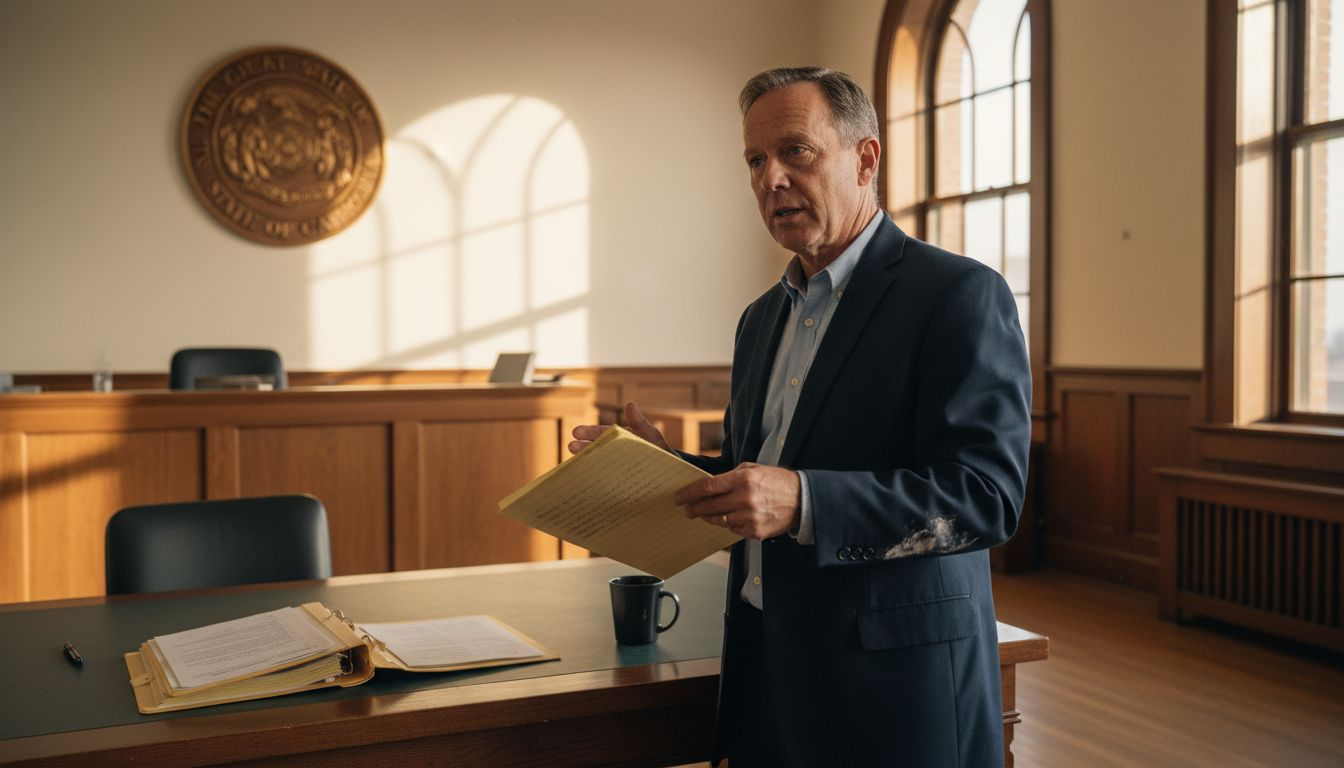
Assault Hearsay Evidence Texas Cases and Plea Deals
Evidentiary strength affects plea negotiations heavily.
Weak Hearsay Cases May Lead to Better Deals
If prosecutors rely mostly on questionable hearsay:
- Charges may weaken
- Plea offers may improve
- Dismissal chances may increase
Strong admissible evidence changes negotiations dramatically.
Why Assault Trials Often Become Technical
People expect assault trials to focus only on:
- Injuries
- Witnesses
- Physical evidence
In reality, many trials revolve around technical evidence rules.
Lawyers Frequently Argue About
- Hearsay exceptions
- Constitutional rights
- Admissibility standards
- Witness reliability
These legal battles sometimes determine case outcomes more than physical evidence itself.
Emotional Pressure in Assault Cases
Victims, witnesses, and defendants often experience intense emotional strain.
Emotional Stress Affects Testimony
People under stress may:
- Forget details
- Exaggerate events
- Change stories
This reality complicates hearsay reliability significantly.
Why Judges Have So Much Power
Judges make critical evidentiary rulings in assault cases.
A Single Hearsay Decision May Change Everything
Allowing or excluding:
- A 911 call
- A witness statement
- A medical comment
can dramatically affect trial outcomes.
Technology and Modern Hearsay Disputes
Technology continues changing criminal evidence rapidly.
Courts Now Deal With
- Recorded phone calls
- Video chats
- Social media recordings
- Digital voice messages
These forms of communication create new hearsay questions constantly.
Why Legal Representation Matters
Hearsay law is extremely technical.
Experienced attorneys understand:
- Which objections matter
- Which exceptions apply
- How constitutional rights interact with evidence rules
Small evidentiary mistakes may have enormous consequences during assault trials.
Conclusion
Assault hearsay evidence Texas courts evaluate plays a major role in many criminal cases because assault allegations often involve emotional situations, emergency responses, and changing witness stories. While hearsay is generally restricted under evidence rules, numerous exceptions allow certain statements into court under specific circumstances.
911 calls, excited utterances, medical treatment statements, body camera footage, and defendant admissions frequently become central evidence in assault prosecutions. Prosecutors often rely heavily on these exceptions, especially when victims or witnesses later refuse to testify.
At the same time, hearsay rules exist to protect fairness and confrontation rights. Defense attorneys regularly challenge hearsay evidence because cross-examination remains one of the most important safeguards in the criminal justice system.
The legal battles surrounding hearsay can become incredibly technical, especially in emotionally charged assault cases involving domestic violence, intoxication, or conflicting witness accounts. Judges must constantly balance reliability, constitutional protections, and public safety concerns when deciding what evidence juries may hear.
For defendants facing assault charges, understanding how assault hearsay evidence Texas courts allow or exclude is critical. These rulings can shape plea negotiations, trial strategy, and ultimately the outcome of the entire case.