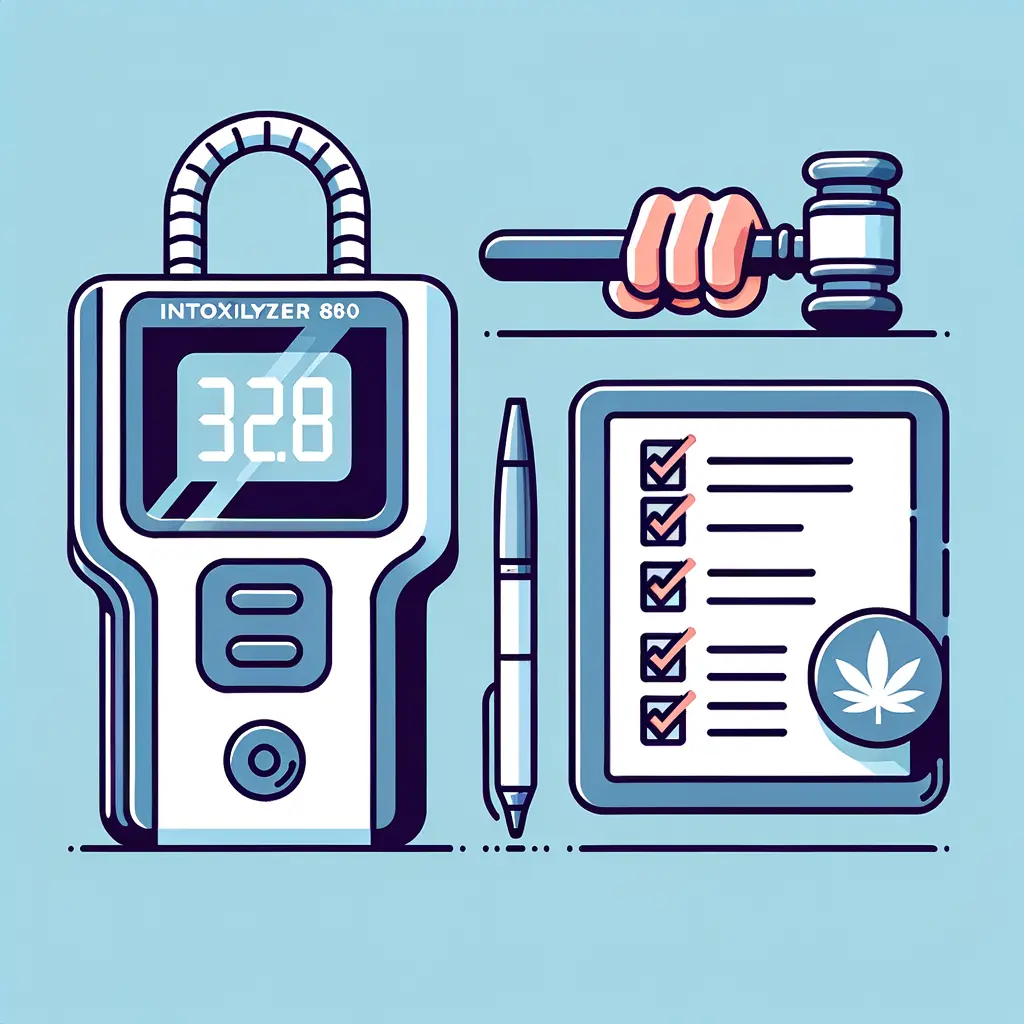
Understanding the Intoxilyzer 8000: How It Works
The Intoxilyzer 8000 is a breath analysis device widely used in Texas to measure blood alcohol content (BAC). This device operates by analyzing the breath sample provided by an individual suspected of DUI. The results obtained can significantly impact legal proceedings, making it crucial for defendants to understand how the device functions.
Equipped with advanced technology, the Intoxilyzer 8000 uses infrared spectroscopy to detect the presence of alcohol in the breath. It is designed to provide accurate readings quickly, but various factors, such as calibration and environmental conditions, can affect its reliability. Understanding these nuances is essential for anyone facing DUI charges, as they may influence the defense strategy.
Legal Implications of Intoxilyzer 8000 Results
The results from the Intoxilyzer 8000 can have serious legal implications for individuals charged with DUI. A reading above the legal limit can lead to criminal charges, fines, and license suspension. Therefore, it is vital for defendants to comprehend how these results can be challenged in court.
In many cases, defense attorneys may contest the accuracy of the Intoxilyzer 8000 results based on factors such as improper calibration, maintenance records, or the training of the officer administering the test. By exploring these potential defenses, individuals can better prepare for their legal battles and protect their rights.
Defending Against DUI Charges in Texas
Defending against DUI charges in Texas requires a comprehensive understanding of both the legal framework and the specific circumstances surrounding each case. Individuals accused of DUI should seek experienced legal counsel to navigate the complexities of the Texas legal system effectively.
Defense strategies may include challenging the legality of the traffic stop, questioning the accuracy of the Intoxilyzer 8000 results, or exploring alternative explanations for observed behaviors. Each case is unique, and a tailored approach can significantly influence the outcome, making it essential to work closely with a knowledgeable attorney.
Common Myths About the Intoxilyzer 8000
There are several myths surrounding the Intoxilyzer 8000 that can mislead individuals facing DUI charges. One common misconception is that a reading below the legal limit guarantees that a person will not be charged with a DUI. However, law enforcement officers can still arrest individuals based on other evidence of impairment.
Another myth is that the Intoxilyzer 8000 is infallible. In reality, various factors can lead to inaccurate readings, including the presence of certain medical conditions or substances. Understanding these myths can empower individuals to make informed decisions when confronting DUI allegations.
Understanding the Intoxilyzer 8000: How It Works
The Intoxilyzer 8000 is a breath analysis device widely used in Texas to measure blood alcohol content (BAC). This device operates by analyzing the breath sample provided by an individual suspected of DUI. The results obtained can significantly impact legal proceedings, making it crucial for defendants to understand how the device functions.
Equipped with advanced technology, the Intoxilyzer 8000 uses infrared spectroscopy to detect the presence of alcohol in the breath. It is designed to provide accurate readings quickly, but various factors, such as calibration and environmental conditions, can affect its reliability. Understanding these nuances is essential for anyone facing DUI charges, as they may influence the defense strategy.
Legal Implications of Intoxilyzer 8000 Results
The results from the Intoxilyzer 8000 can have serious legal implications for individuals charged with DUI. A reading above the legal limit can lead to criminal charges, fines, and license suspension. Therefore, it is vital for defendants to comprehend how these results can be challenged in court.
In many cases, defense attorneys may contest the accuracy of the Intoxilyzer 8000 results based on factors such as improper calibration, maintenance records, or the training of the officer administering the test. By exploring these potential defenses, individuals can better prepare for their legal battles and protect their rights.
Defending Against DUI Charges in Texas
Defending against DUI charges in Texas requires a comprehensive understanding of both the legal framework and the specific circumstances surrounding each case. Individuals accused of DUI should seek experienced legal counsel to navigate the complexities of the Texas legal system effectively.
Defense strategies may include challenging the legality of the traffic stop, questioning the accuracy of the Intoxilyzer 8000 results, or exploring alternative explanations for observed behaviors. Each case is unique, and a tailored approach can significantly influence the outcome, making it essential to work closely with a knowledgeable attorney.
Common Myths About the Intoxilyzer 8000
There are several myths surrounding the Intoxilyzer 8000 that can mislead individuals facing DUI charges. One common misconception is that a reading below the legal limit guarantees that a person will not be charged with a DUI. However, law enforcement officers can still arrest individuals based on other evidence of impairment.
Another myth is that the Intoxilyzer 8000 is infallible. In reality, various factors can lead to inaccurate readings, including the presence of certain medical conditions or substances. Understanding these myths can empower individuals to make informed decisions when confronting DUI allegations.