Skip to content
Texas assault investigation process procedures often begin within minutes of an allegation being reported, and the Texas assault investigation process can shape the entire direction of a criminal case before formal charges are even filed. Many people imagine investigations as dramatic scenes filled with instant conclusions. In reality, assault investigations are usually built piece by piece through statements, physical evidence, timelines, and observation. The process is methodical rather than immediate. It also relies heavily on how evidence is collected and interpreted.
Picture a situation in Houston where police respond to a reported assault after an argument outside a restaurant. Officers arrive while emotions are still high. One person claims they were attacked. Another insists they acted in self-defense. Witnesses describe different versions of events. At that moment, investigators are not simply looking for someone to arrest. They are trying to reconstruct what actually happened. That reconstruction becomes the core of the investigation. It also determines how the case moves forward.
That moment marks the beginning of evidence collection.
Understanding the Texas assault investigation process helps explain why every statement, photograph, timeline, and witness account can become important later.

What the Texas Assault Investigation Process Actually Involves
The Texas assault investigation process is a structured effort to gather and evaluate evidence related to an alleged assault. Investigators aim to determine:
- What happened
- Who was involved
- Whether criminal charges are supported by evidence
This process may involve:
- Interviewing witnesses
- Collecting physical evidence
- Reviewing surveillance footage
- Examining injuries or property damage
Each step contributes to building a clearer picture of the event. Together, they form the foundation of the investigation. These investigative methods often work together rather than independently. This combination helps investigators compare information from multiple sources.
Each step contributes to building a clearer picture of the event. Together, they form the foundation of the investigation. The process is designed to reduce uncertainty by relying on evidence rather than assumptions. This structured approach helps create a more complete understanding of the situation.
From an analytical standpoint, the investigation process is less about assumptions and more about assembling verifiable information. Investigators focus on consistency, credibility, and supporting evidence. This emphasis on verification shapes how cases move forward.
Why Assault Cases Often Depend on Interpretation
Unlike some crimes, assault allegations often involve conflicting narratives. Different individuals may remember or describe the same incident in very different ways. This creates challenges for investigators trying to determine what actually occurred.
In the Texas assault investigation process, investigators frequently encounter:
- Different versions of the same event
- Conflicting witness statements
- Limited physical evidence
This creates a situation where interpretation becomes important.
For example:
- One person may describe defensive actions
- Another may describe aggression
Investigators must compare accounts against available evidence. They look for details that support or contradict each version of events. This comparison becomes a critical part of the Texas assault investigation process.
Real-Life Scenario: Conflicting Accounts
Consider a case in Dallas.
Police respond to a domestic disturbance call. Both individuals involved claim the other person initiated the confrontation.
Officers now face competing stories.
During the Texas assault investigation process, they begin:
- Interviewing each person separately
- Looking for visible injuries
- Speaking with witnesses nearby
This example shows how investigations often begin with uncertainty rather than immediate conclusions.
The Role of Initial Officer Observations
The first responding officers play a major role in evidence collection.
Their observations may include:
- Visible injuries
- Emotional state of individuals involved
- Property damage
- Environmental details
In the Texas assault investigation process, these early observations often become important evidence later.
This is because conditions at the scene can change quickly.
Witness Statements and Their Importance
Witness accounts are often central to assault investigations.
Witnesses may:
- Support one version of events
- Provide neutral observations
- Contradict both parties involved

In the Texas assault investigation process, investigators evaluate:
- Consistency of statements
- Opportunity to observe
- Potential bias
Not all witness accounts carry equal weight.
Their reliability depends on context and credibility.
Real-Life Style Example: The Neutral Witness
Imagine a case in Austin.
Two individuals provide completely opposite stories about an altercation. However, a third person nearby witnessed the event from start to finish.
That witness provides:
- A timeline
- Details about physical contact
- Observations about tone and behavior
This neutral perspective becomes significant during the Texas assault investigation process.
Physical Evidence Collection
Physical evidence helps investigators move beyond statements alone.
This may include:
- Torn clothing
- Blood or biological evidence
- Damaged property
- Weapons or objects involved
In the Texas assault investigation process, physical evidence is used to:
- Confirm or challenge statements
- Support timelines
- Clarify the severity of the incident
This evidence often becomes more persuasive when combined with witness testimony.
Photographs and Injury Documentation
Photographs are commonly used in assault investigations.
Investigators may document:
- Bruises
- Cuts or swelling
- Damage at the scene
In the Texas assault investigation process, photographs create a visual record of conditions at a specific moment in time.
This documentation may later be reviewed during:
- Charging decisions
- Plea negotiations
- Trial proceedings
Surveillance Footage and Digital Evidence
Modern investigations increasingly rely on digital evidence.
This may include:
- Security camera footage
- Phone videos
- Text messages or social media communication
In the Texas assault investigation process, digital evidence can:
- Confirm timelines
- Show interactions before or after the event
- Contradict statements
Technology now plays a larger role than ever before in reconstructing events.
Analytical Perspective: Evidence vs Narrative
From an analytical standpoint, assault investigations involve balancing narrative against evidence.
Investigators compare:
- What people claim happened
- What the evidence supports
This comparison is central to the Texas assault investigation process.
Strong evidence can reinforce credibility. Weak or conflicting evidence can create doubt.
Interviews and Follow-Up Investigation
Investigations rarely end at the scene.
Detectives may later:
- Conduct follow-up interviews
- Review additional records
- Reevaluate evidence
In the Texas assault investigation process, early evidence often leads to additional questions.
This is why investigations may continue long after the initial report.
Real-Life Scenario: A Timeline Changes
Consider a case in Fort Worth.
At first, one witness places the alleged assault at a certain time. Later, phone records and surveillance footage suggest a different timeline.
Investigators now:
- Reevaluate statements
- Compare digital evidence
- Reconstruct events again
This example shows how the Texas assault investigation process evolves as new information appears.
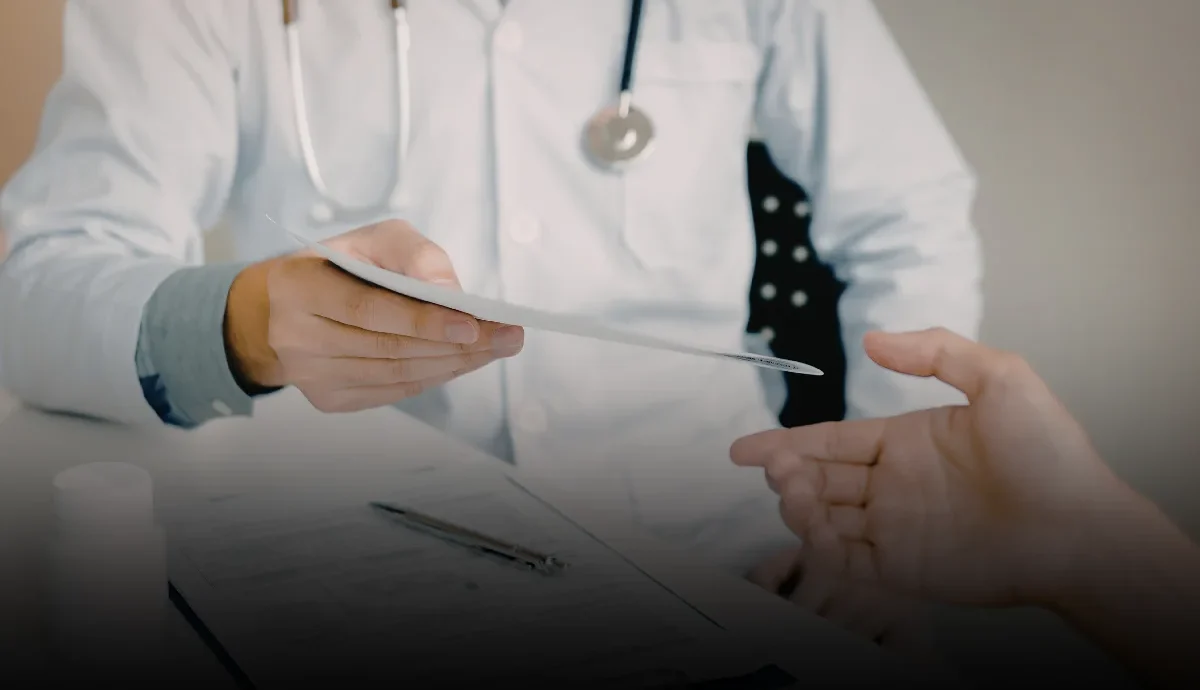
The Role of Medical Records
Medical records can become important evidence in assault cases.
These records may document:
- Type of injury
- Timing of treatment
- Statements made during medical care
In the Texas assault investigation process, medical evidence may support or challenge allegations about force or severity.
Challenges Investigators Face
Investigators often face complications such as:
- Lack of witnesses
- Delayed reporting
- Inconsistent statements
- Limited physical evidence
Each of these issues can make it harder to determine exactly what occurred. Together, they increase the complexity of the investigation process.
In the Texas assault investigation process, these challenges can make conclusions less clear. Investigators may need additional time to compare evidence and evaluate credibility. This careful review helps avoid premature conclusions.
This uncertainty is why investigations may take time. Cases involving conflicting information often require repeated analysis. In many situations, investigators must revisit details as new evidence appears.
Emotional Impact During the Investigation
Investigations can be emotionally stressful for everyone involved.
Individuals may feel:
- Nervous about questioning
- Frustrated by delays
- Concerned about outcomes
These reactions are common.
Understanding the process helps reduce confusion during an already difficult situation.
Common Misconceptions About Assault Investigations
Several misconceptions exist.
Some believe:
- Police immediately decide who is guilty
- One statement alone determines the case
- Physical injuries are always required
In reality:
- Investigations involve multiple forms of evidence
- Statements are compared and evaluated
- Context matters significantly
Understanding these points helps clarify how the process actually works.
Long-Term Importance of Early Evidence
Evidence collected early in the investigation can influence:
- Arrest decisions
- Charging decisions
- Trial strategies
In the Texas assault investigation process, early documentation often shapes the entire case moving forward.
This is why the first stages of the investigation are so important.
Practical Takeaways
To better understand the process:
- Recognize that investigations develop over time
- Be aware that statements may later be compared against other evidence
- Understand that evidence includes more than physical injuries

Each of these points helps explain why investigations can become more complex than expected. Together, they provide a clearer understanding of how evidence is evaluated.
These insights help explain why assault investigations can become complex quickly. They also highlight why investigators focus heavily on consistency and documentation. In many situations, small details become highly significant later.
Conclusion
Texas assault investigation process procedures show that assault cases are rarely based on a single statement or piece of evidence. Instead, investigators build cases through interviews, physical evidence, digital records, and detailed analysis. This layered approach helps create a more complete understanding of the event. It also explains why investigations may evolve as new information appears.
By understanding how evidence is collected and evaluated, individuals can better appreciate how assault investigations work and why early details often shape the entire legal process. This awareness helps reduce confusion about how cases develop. Over time, it also supports a more informed understanding of the investigation system.