Assault digital evidence Texas has become one of the most significant aspects of modern criminal investigations because today’s disputes often leave an electronic trail long before anyone enters a courtroom. Text messages, security camera footage, social media posts, location data, and smartphone recordings can all become relevant depending on the circumstances of an alleged assault. While eyewitness testimony remains important, digital information frequently provides additional context that investigators, attorneys, and courts carefully evaluate alongside every other piece of admissible evidence.
Imagine a woman named Ashley who becomes involved in a disagreement outside a shopping center. Several people witness the argument, but each person remembers the encounter differently. Days later, investigators discover that nearby surveillance cameras captured part of the incident, one bystander recorded video on a cellphone, and both individuals exchanged text messages shortly before meeting. Suddenly, the case involves much more than conflicting memories. Understanding assault digital evidence Texas becomes essential because electronic records may help explain the sequence of events from multiple perspectives.
Situations like Ashley’s illustrate why digital evidence has become increasingly important in criminal proceedings. Modern technology often documents conversations, movements, and interactions that previously depended entirely on witness recollection.
From an analytical perspective, digital evidence helps courts evaluate factual disputes by providing additional information that may support, contradict, or clarify testimony presented during legal proceedings.

Understanding Assault Digital Evidence Texas
Before examining specific forms of electronic information, it helps to understand what assault digital evidence Texas generally means.
Digital evidence refers to electronically stored information that may become relevant during the investigation or prosecution of an assault case.
Depending on the circumstances, digital evidence may include:
- Text messages
- Emails
- Social media posts
- Cellphone photographs
- Video recordings
- Audio recordings
- GPS or location data
- Electronic documents
Whether a particular item is admissible depends on the Texas Rules of Evidence, applicable procedural requirements, and the facts of the case.
Why Digital Evidence Matters
Technology has changed how many criminal investigations develop.
Today, electronic devices accompany people almost everywhere.
As a result, digital information may help establish:
- Timelines
- Communications
- Locations
- Relationships between individuals
- Events before or after an alleged incident
Digital evidence rarely determines an entire case by itself, but it often becomes an important part of the overall evidentiary record.
Cellphone Evidence
Smartphones frequently contain information relevant to criminal investigations.
Depending on the facts, investigators may review:
- Text message conversations
- Call logs
- Photographs
- Videos
- Voice messages
- Contact information
The availability and admissibility of this information depend on the applicable legal procedures governing the investigation.
Text Messages
Text messages often receive significant attention in assault digital evidence Texas cases.
Messages exchanged before, during, or after an alleged incident may provide context regarding:
- Planned meetings
- Ongoing disputes
- Requests
- Responses
- Timing of communications
The court evaluates these messages together with the remaining evidence rather than treating them as conclusive by themselves.

Social Media Content
Social media platforms sometimes contain information that becomes relevant during criminal proceedings.
Examples may include:
- Public posts
- Photographs
- Videos
- Comments
- Direct messages where lawfully obtained
- Time-stamped activity
Whether social media evidence becomes admissible depends on authentication requirements and the Texas Rules of Evidence.
Surveillance Cameras
Many businesses, parking lots, schools, and residential neighborhoods now use security cameras.
Surveillance footage may capture:
- Arrival times
- Departures
- Interactions
- Physical movements
- Surrounding conditions
Although recordings do not always capture every aspect of an event, they sometimes provide valuable visual context that supplements witness testimony.
Body Camera and Dashboard Camera Recordings
When law enforcement responds to an alleged assault, officers may use body-worn cameras or patrol vehicle cameras.
These recordings may document:
- Initial observations
- Statements made at the scene
- Physical conditions
- Evidence collection
- Other investigative activities
Because these recordings capture events as they unfold, they frequently become an important component of assault digital evidence Texas.
Real-Life Example
Imagine a hypothetical assault investigation involving two coworkers.
One individual reports being assaulted after a workplace disagreement.
Several employees witnessed portions of the incident, but their accounts differ.
Investigators later obtain surveillance footage from the building, review text messages exchanged earlier that day, and examine cellphone videos recorded by another employee.
Rather than relying on one witness alone, investigators evaluate all of the available digital evidence together with the remaining information collected during the investigation.
This example illustrates how assault digital evidence Texas often involves multiple electronic sources that help reconstruct events.
Preserving Digital Evidence
Electronic information can sometimes disappear if not preserved promptly.
Depending on the circumstances, digital evidence may be affected by:
- Device replacement
- Automatic deletion
- Software updates
- Account changes
- Data loss
For that reason, preserving relevant electronic information often becomes an important consideration during criminal investigations.
Authentication Requirements
Digital evidence generally cannot be presented in court without first satisfying legal requirements demonstrating that the evidence is what it is claimed to be.
Authentication may involve:
- Witness testimony
- Device records
- Metadata
- Other legally recognized methods
The Texas Rules of Evidence govern these issues before electronic materials may be considered by the court.
Why Every Case Requires Individual Analysis
No two assault investigations involve identical digital evidence.
Some cases include extensive surveillance footage.
Others depend primarily upon text messages, photographs, or cellphone recordings.
Still others involve little electronic evidence at all.
Because each investigation differs, assault digital evidence Texas should always be evaluated within the context of the complete evidentiary record rather than relying upon any single electronic source.
Metadata and Why It Matters
An important part of assault digital evidence Texas involves information that most people never see.
This hidden information is commonly known as metadata.
Metadata describes details about a digital file rather than the visible content itself.
Depending on the type of file, metadata may include:
- Date and time created
- Date modified
- Device information
- File size
- Location information, if available
- Other technical details
Investigators sometimes review metadata to better understand when digital evidence was created or whether it appears consistent with the surrounding facts.
Time Stamps and Event Timelines
Building an accurate timeline is often one of the most important objectives during an assault investigation.
Electronic records may help establish the sequence of events by showing when certain activities occurred.
Examples include:
- Text message timestamps
- Phone call histories
- Security camera recordings
- Electronic payment records
- Mobile application activity
When multiple digital records align with one another, they may provide additional context for investigators and the court.
Location Data
Some electronic devices collect location information through GPS services, wireless networks, or mobile applications.
Depending on the circumstances, location-related evidence may help establish:
- Whether individuals were present at a particular location
- Approximate travel patterns
- Timing of movements
- Whether electronic records correspond with witness testimony
The availability and admissibility of location data depend upon the facts of the investigation and applicable legal requirements.
Photographs as Digital Evidence
Cellphone photographs frequently become part of assault digital evidence Texas investigations.
Photographs may document:
- Visible injuries
- Property damage
- The location of an incident
- Environmental conditions
- Objects present at the scene
The timing of photographs, the circumstances under which they were taken, and their authenticity may all become important issues during legal proceedings.
Video Recordings From Mobile Devices
Unlike traditional surveillance systems, cellphone videos are often recorded unexpectedly by witnesses.
These recordings may capture:
- Conversations
- Physical interactions
- Background activity
- Environmental conditions
- Statements made immediately after an event
However, every recording has limitations.
A video may begin after an argument has already started or end before the entire incident concludes.
As a result, courts generally evaluate recordings alongside the remaining evidence rather than viewing them in isolation.
Cloud Storage and Online Accounts
Many electronic files are no longer stored only on physical devices.
Instead, they may exist within cloud-based storage services.
Depending on the circumstances, investigators may encounter:
- Cloud photo libraries
- Online document storage
- Account backups
- Synchronized device information
These records may preserve information even if a device is replaced or damaged, provided they are lawfully obtained.
Electronic Communications Beyond Text Messages
Although text messaging receives significant attention, many conversations now occur through internet-based communication platforms.
Depending on the facts, electronic communications may include:
- Email messages
- Messaging applications
- Voice messages
- Video calls
- Shared multimedia files

Each type of communication may present unique legal and evidentiary questions concerning authenticity, preservation, and admissibility.
Expert Testimony and Technical Analysis
Some forms of assault digital evidence Texas require technical interpretation before they can be fully understood.
In more complex cases, qualified experts may assist by explaining:
- Digital file analysis
- Device operation
- Data recovery methods
- Technical terminology
- Electronic storage systems
Expert testimony does not determine the outcome of a case.
Instead, it may help the judge or jury better understand technical evidence presented during trial.
Chain of Custody
Proper handling of electronic evidence is an important part of criminal investigations.
Chain of custody refers to documenting how evidence is collected, stored, transferred, and preserved throughout the legal process.
Maintaining accurate records helps demonstrate that digital evidence has been handled according to established procedures.
Documentation may include:
- Collection dates
- Individuals handling the evidence
- Storage methods
- Transfer records
- Preservation procedures
Careful documentation supports confidence in the integrity of electronic evidence presented in court.
Balancing Digital Evidence With Other Evidence
Although technology plays an increasingly important role, electronic information rarely tells the entire story.
Courts generally consider digital evidence together with:
- Witness testimony
- Physical evidence
- Medical records
- Law enforcement observations
- Expert opinions
- Other admissible evidence
An analytical review considers how each piece of evidence fits within the complete factual picture rather than relying exclusively on one source.
Practical Considerations for Individuals
Anyone involved in an assault investigation should recognize that electronic information may become relevant during the legal process.
Practical considerations often include:
- Preserving potentially relevant records
- Avoiding alteration or deletion of electronic files
- Keeping original photographs and videos when possible
- Maintaining organized documentation
- Understanding that public online activity may later be reviewed if lawfully obtained
Taking reasonable steps to preserve existing information may reduce future disputes regarding the availability or authenticity of digital evidence.
Every Investigation Is Unique
No universal checklist applies to every assault digital evidence Texas investigation.
One case may revolve around surveillance footage from several cameras.
Another may focus primarily on text messages exchanged before an alleged incident.
A different investigation may involve photographs, body camera recordings, electronic location information, or multiple forms of digital communication collected from different sources.
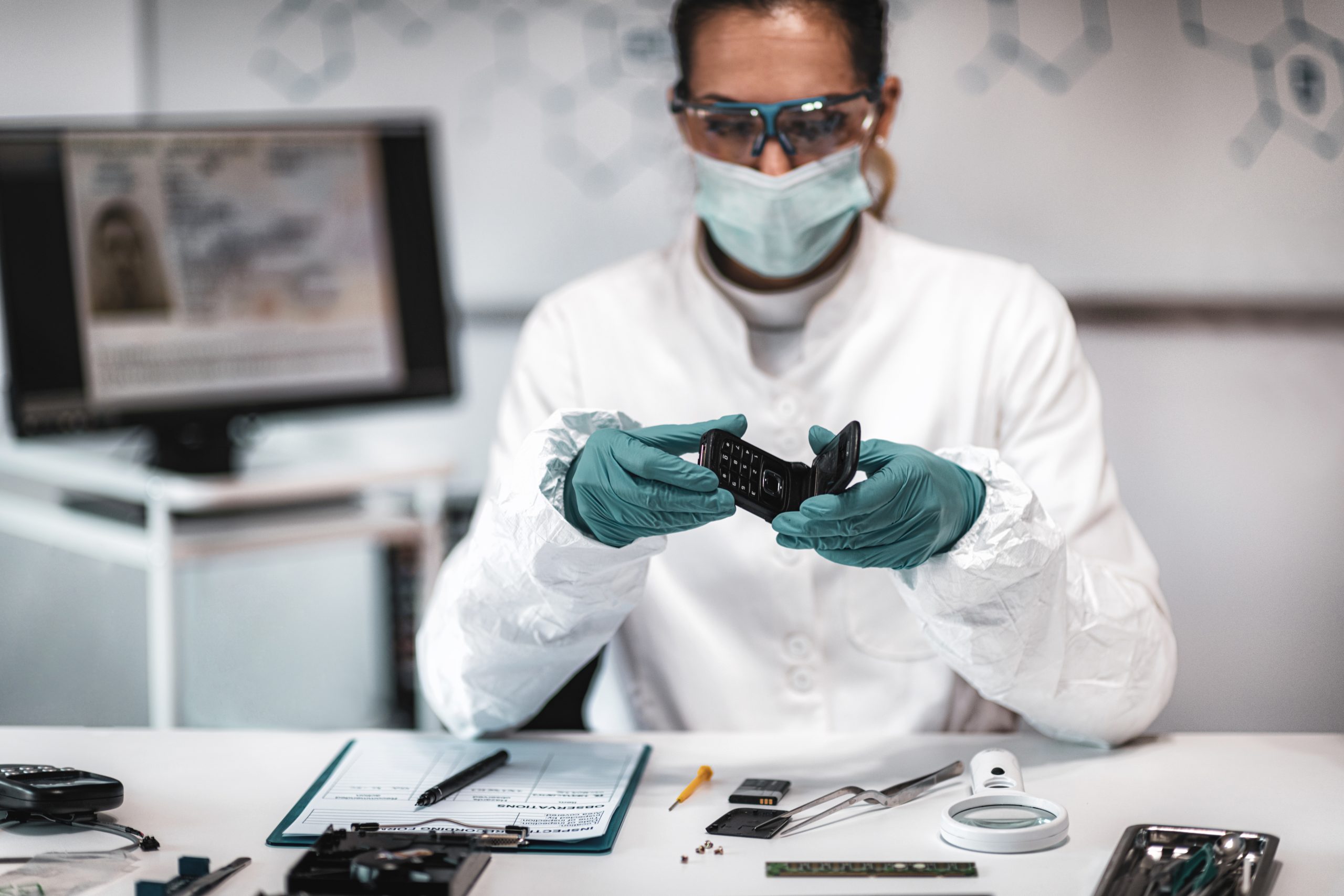
Because every investigation presents different facts, courts evaluate electronic evidence within the broader context of the entire case. Understanding how digital evidence is collected, authenticated, preserved, and presented provides a clearer picture of how modern assault cases develop in Texas and why technology continues to play an increasingly significant role in criminal proceedings.
Conclusion
Assault digital evidence Texas has become an increasingly important part of modern criminal investigations, offering valuable information that may help clarify disputed events, establish timelines, and provide additional context beyond witness testimony alone. Text messages, surveillance footage, cellphone videos, social media activity, photographs, metadata, and location information can all play different roles depending on the specific facts of a case. However, digital evidence is rarely evaluated in isolation. Courts generally consider electronic records alongside physical evidence, witness statements, expert testimony, and other admissible information before reaching legal conclusions.
From an analytical perspective, assault digital evidence Texas demonstrates how technology continues to influence the criminal justice process while remaining subject to established legal rules governing authenticity, admissibility, and reliability. Every investigation presents unique circumstances, and the relevance of digital evidence depends on the surrounding facts and applicable Texas law. By understanding how electronic evidence is collected, preserved, authenticated, and presented in court, individuals gain a clearer understanding of its role in assault cases and why careful evaluation of all available evidence remains essential to a fair legal process.