Assault DNA evidence Texas cases often raise difficult questions about science, interpretation, and credibility, and assault DNA evidence Texas investigations can dramatically influence how an assault allegation is viewed in court. Many people associate DNA evidence with homicide investigations or dramatic television crime scenes. However, DNA can also play an important role in assault-related cases. Sometimes it strengthens accusations. Other times, it supports the defense. The impact depends heavily on context, collection methods, and interpretation. This complexity is what makes DNA evidence both powerful and misunderstood.
Picture a situation in Houston where an assault allegation follows a late-night altercation outside a crowded venue. Witnesses disagree about what happened. One person claims physical contact occurred. Another denies involvement entirely. Investigators begin collecting evidence from clothing, surfaces, and possible injuries. Then DNA testing enters the discussion. Suddenly, the case shifts from conflicting stories to scientific analysis. That transition changes how everyone involved views the investigation. It also raises important questions about what DNA evidence can actually prove.
That moment often changes the direction of the case. Investigators may begin focusing more heavily on scientific evidence rather than witness statements alone. It also shifts attention toward forensic analysis and interpretation.
Understanding assault DNA evidence Texas helps explain how DNA is collected, how it is interpreted, and why it may support either the prosecution or the defense depending on the circumstances. This awareness helps individuals understand that DNA evidence is not always straightforward. It also highlights why context matters so much during forensic investigations.
What DNA Evidence Actually Means in Assault Cases
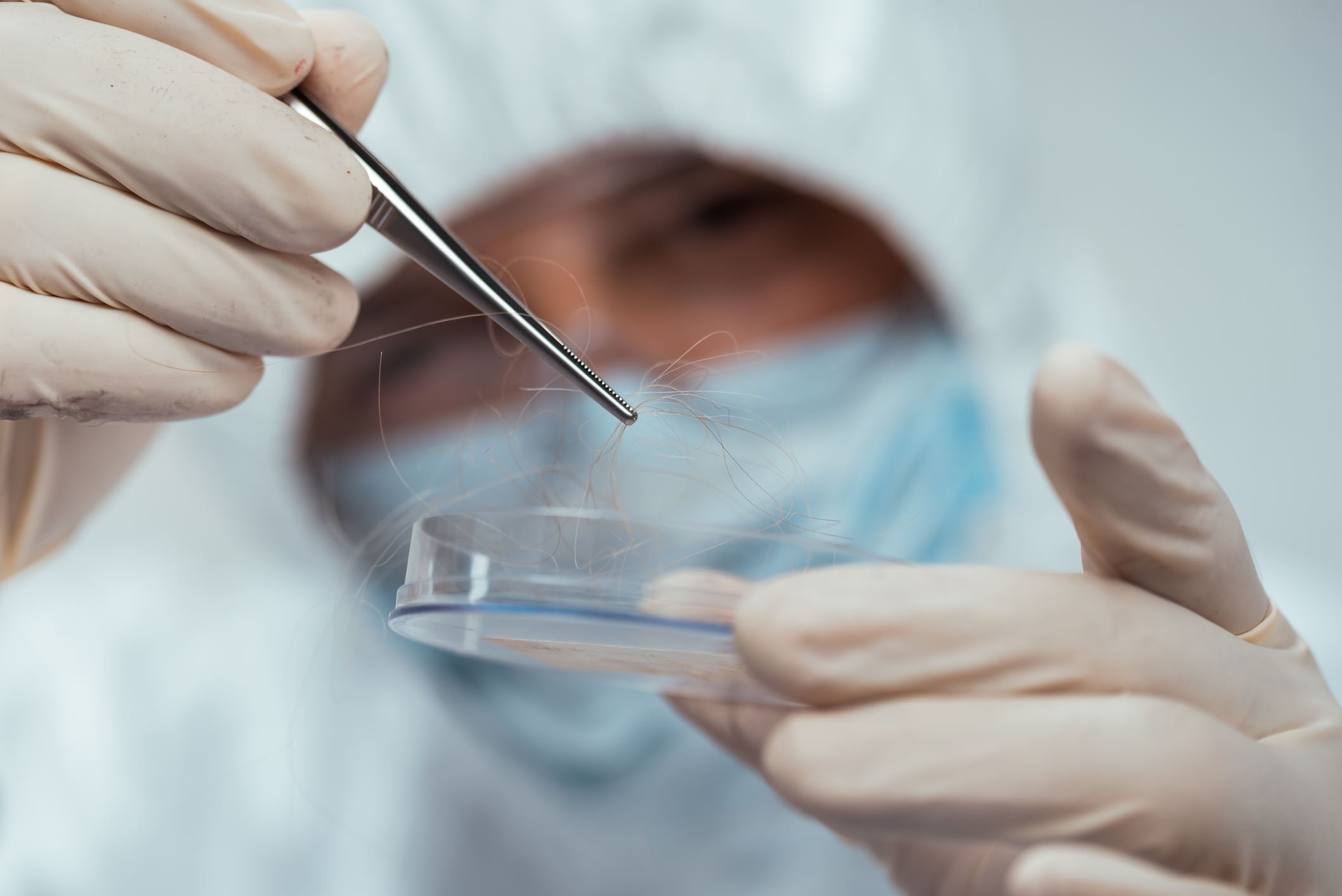
DNA evidence refers to biological material used to identify or exclude individuals connected to an investigation. In assault-related cases, this evidence may come from:
- Skin cells
- Blood
- Hair
- Saliva
- Other biological traces
Each type of biological material may provide different information during the investigation. Together, they help investigators evaluate whether physical contact or presence can be established scientifically.
In assault DNA evidence Texas investigations, DNA testing attempts to determine whether biological material links a person to a specific event or location. Investigators use this testing to compare physical evidence against statements and timelines. This comparison often becomes an important part of the case analysis.
However, DNA does not automatically explain what happened. It only shows that biological material was present. The evidence still requires interpretation within the broader context of the investigation. This is why DNA alone rarely tells the entire story.
From an analytical standpoint, DNA evidence identifies physical connection—not necessarily criminal intent or context. Investigators and courts must still determine how and why that connection occurred. Therefore, interpretation becomes just as important as the scientific testing itself.
Why DNA Evidence Can Matter in Assault Allegations
Assault allegations often involve conflicting accounts.
One person may claim:
- Physical contact occurred
Another may deny:
- Being present
- Having contact at all
In assault DNA evidence Texas situations, DNA testing may:
- Confirm contact occurred
- Exclude someone from physical involvement
- Support or contradict witness statements
Each of these outcomes can significantly affect how investigators evaluate the allegation. Together, they demonstrate why DNA evidence can become central to the case.
This ability to support or challenge narratives makes DNA evidence highly significant. Scientific findings can strengthen one side’s version of events while weakening another’s. In many cases, DNA evidence changes how the entire investigation proceeds.
Real-Life Scenario: Conflicting Stories
Consider a case in Dallas.
After an alleged assault outside a bar, two individuals provide completely different versions of events. One claims the accused grabbed and struck them. The accused denies physical contact entirely.
Investigators collect:
- Clothing samples
- Swabs from injuries
- Biological traces from the scene
DNA testing later identifies skin-cell transfer between the parties.
This evidence now becomes part of the broader investigation.
This is a common assault DNA evidence Texas scenario where scientific evidence intersects with conflicting testimony.
The Difference Between Presence and Guilt
One of the most misunderstood aspects of DNA evidence involves interpretation.
Finding someone’s DNA does not automatically prove:
- Assault occurred
- Violence happened
- Criminal intent existed
In assault DNA evidence Texas cases, DNA may simply show:
- Prior contact
- Innocent interaction
- Shared environment

This distinction is critical because context determines how evidence is interpreted.
How DNA Evidence May Help the Defense
DNA evidence does not always support the prosecution.
In some assault DNA evidence Texas situations, testing may:
- Exclude the accused entirely
- Contradict witness claims
- Reveal inconsistencies in the timeline
For example:
- Alleged physical contact may leave no expected biological evidence
- DNA from another individual may become relevant
This possibility explains why DNA testing can support defense strategies as well.
Real-Life Style Example: Missing Evidence
Imagine a case in Austin.
An accuser claims a violent physical struggle occurred. However, investigators find:
- No biological traces supporting the allegation
- No transfer evidence where it would normally be expected
The defense argues:
- The absence of expected evidence raises questions about the account
This example shows how assault DNA evidence Texas cases may involve both the presence and absence of biological evidence.
Collection of DNA Evidence
How evidence is collected matters significantly.
Investigators may gather:
- Swabs from injuries
- Clothing samples
- Fingernail scrapings
- Evidence from the scene itself
In assault DNA evidence Texas investigations, improper collection methods can create:
- Contamination risks
- Questions about reliability
- Challenges regarding chain of custody
This is why evidence procedures become extremely important.
Chain of Custody and Reliability
DNA evidence is only useful if investigators can show it was handled properly.
Chain of custody refers to:
- Documentation of who handled evidence
- How evidence was stored
- Whether procedures remained intact
In assault DNA evidence Texas cases, defense attorneys often review:
- Storage procedures
- Handling methods
- Possible contamination risks
Even strong scientific evidence may face scrutiny if procedures were flawed.
Analytical Perspective: Science and Interpretation
From an analytical standpoint, DNA evidence combines:
- Scientific testing
- Human interpretation
The science may identify biological material accurately. However, investigators, attorneys, and juries still interpret what that evidence means within the broader context of the case.
In assault DNA evidence Texas situations, interpretation often becomes just as important as the test result itself.
The Role of Expert Witnesses
DNA evidence frequently requires expert explanation in court.
Experts may testify about:
- Collection procedures
- Laboratory analysis
- Interpretation limits
- Statistical probabilities

In assault DNA evidence Texas cases, expert testimony helps explain complex scientific concepts to judges and juries.
Without explanation, DNA results can easily be misunderstood.
Emotional Impact of DNA Evidence
Scientific evidence often creates emotional reactions.
Individuals may feel:
- Intimidated by forensic science
- Relieved when evidence supports their position
- Confused by technical terminology
In assault DNA evidence Texas situations, the presence of DNA testing can make a case feel more serious or overwhelming.
Understanding the limits of DNA evidence helps create perspective.
Common Misconceptions About DNA Evidence
Several misconceptions exist.
Some believe:
- DNA always proves guilt
- DNA evidence is impossible to challenge
- Biological traces automatically explain what occurred
In reality:
- DNA requires interpretation
- Collection methods matter
- Context determines significance
Understanding these points helps create more realistic expectations.
Long-Term Impact on Assault Cases
DNA evidence can influence:
- Charging decisions
- Plea negotiations
- Trial strategies
- Jury perception
Each of these areas can shape how the case develops over time. Together, they demonstrate why forensic evidence often becomes central to assault investigations.
In assault DNA evidence Texas cases, scientific evidence often becomes one of the most closely examined parts of the investigation. Attorneys, investigators, and juries may spend significant time evaluating the reliability and meaning of the forensic findings. This attention can strongly influence how the case is perceived.
This is why both sides may rely heavily on forensic analysis. Prosecutors may use DNA to support allegations, while defense attorneys may challenge interpretation or collection procedures. In many situations, forensic evidence becomes a major focus of courtroom strategy.
Real-Life Scenario: DNA Changes the Investigation
Consider a case in Fort Worth.
Initially, investigators focus on one suspect based on witness statements. Later, DNA testing reveals biological material connected to another individual entirely.
The investigation shifts direction:
- New interviews occur
- Earlier assumptions are questioned
- Defense strategies change significantly
This example highlights how assault DNA evidence Texas cases can evolve as forensic testing develops.
Practical Takeaways
To better understand DNA evidence in assault cases:
- Recognize that DNA identifies biological connection, not necessarily guilt
- Understand that collection procedures matter greatly
- Be aware that interpretation plays a central role in how evidence is used
Each of these points helps create a more balanced understanding of forensic evidence. Together, they explain why DNA evidence can become both persuasive and controversial.
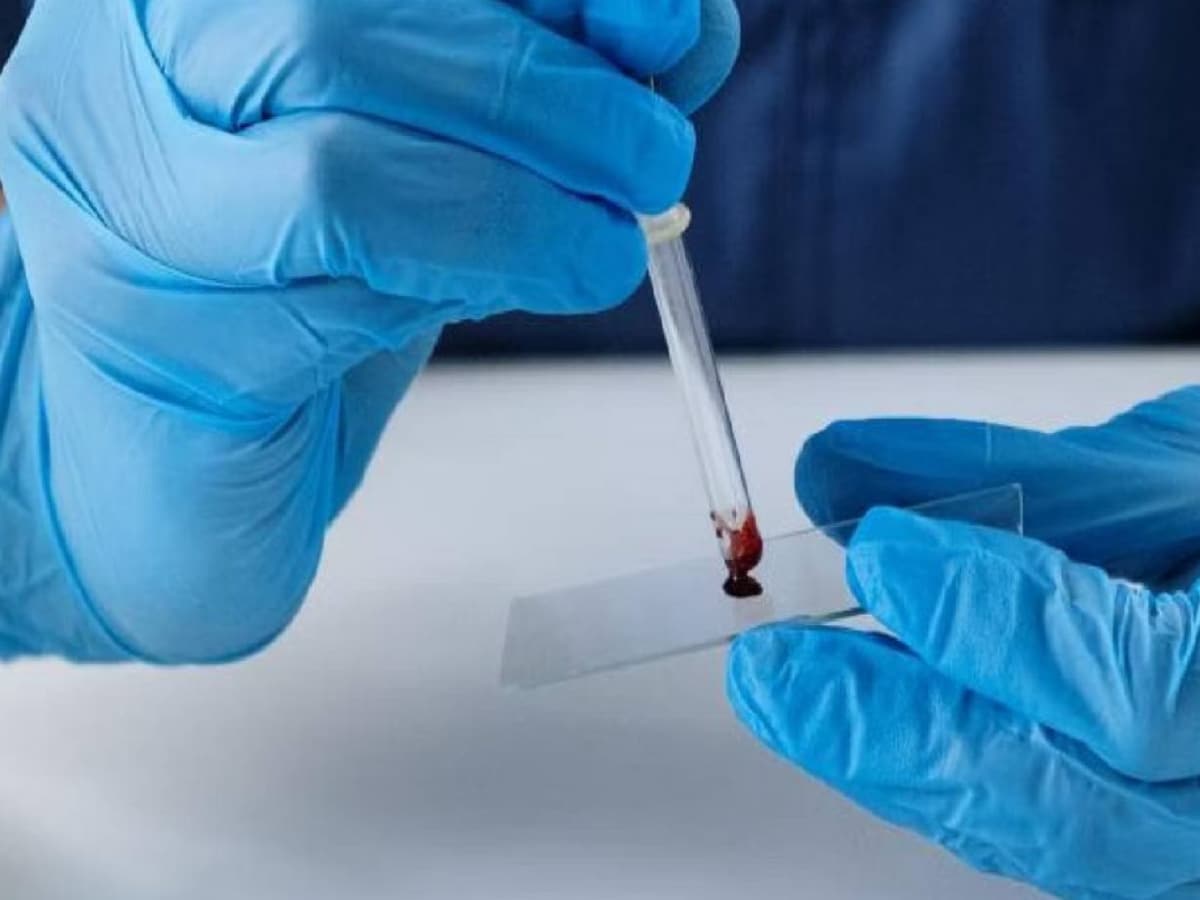
These insights help explain why DNA evidence can become both powerful and controversial. Scientific findings often appear definitive at first glance. However, interpretation and context still determine how those findings affect the case.
Conclusion
Assault DNA evidence Texas cases demonstrate that forensic science can significantly influence assault investigations and courtroom strategies. However, DNA evidence rarely tells the entire story on its own. Instead, investigators and courts must evaluate it alongside witness testimony, timelines, context, and other forms of evidence. This broader analysis helps create a more complete understanding of the situation. It also explains why forensic evidence is only one part of the investigative process.
By understanding how DNA evidence is collected, interpreted, and challenged, individuals can better appreciate both the strengths and limitations of forensic science in Texas assault cases. This awareness helps reduce confusion about what DNA evidence can actually prove. Over time, it also supports a more informed understanding of how forensic science functions within the legal system.