Skip to content
Assault GPS evidence Texas has become an increasingly important topic in criminal investigations because location technology can sometimes help investigators reconstruct where people were before, during, and after an alleged assault. Smartphones, vehicle navigation systems, wearable devices, and various mobile applications may generate location information that becomes relevant during an investigation. Although GPS evidence rarely tells the entire story, it can provide valuable context when evaluated alongside witness testimony, physical evidence, and other legally admissible information.
Imagine a man named Ryan who becomes involved in an altercation outside a restaurant late one evening. Several witnesses provide conflicting accounts about when he arrived, where he parked, and whether he remained at the scene after the incident. During the investigation, officers discover that Ryan’s vehicle navigation system, cellphone, and a fitness application all contain location history from that evening. Suddenly, the investigation involves more than eyewitness recollections. Understanding assault GPS evidence Texas becomes essential because digital location records may help establish a timeline of events.
Situations like Ryan’s demonstrate why GPS technology has become an increasingly valuable investigative resource. Electronic location data may supplement traditional evidence by providing additional information regarding movements and timing.
From an analytical perspective, GPS evidence serves as one component of the overall evidentiary record rather than independently determining the outcome of an assault case.
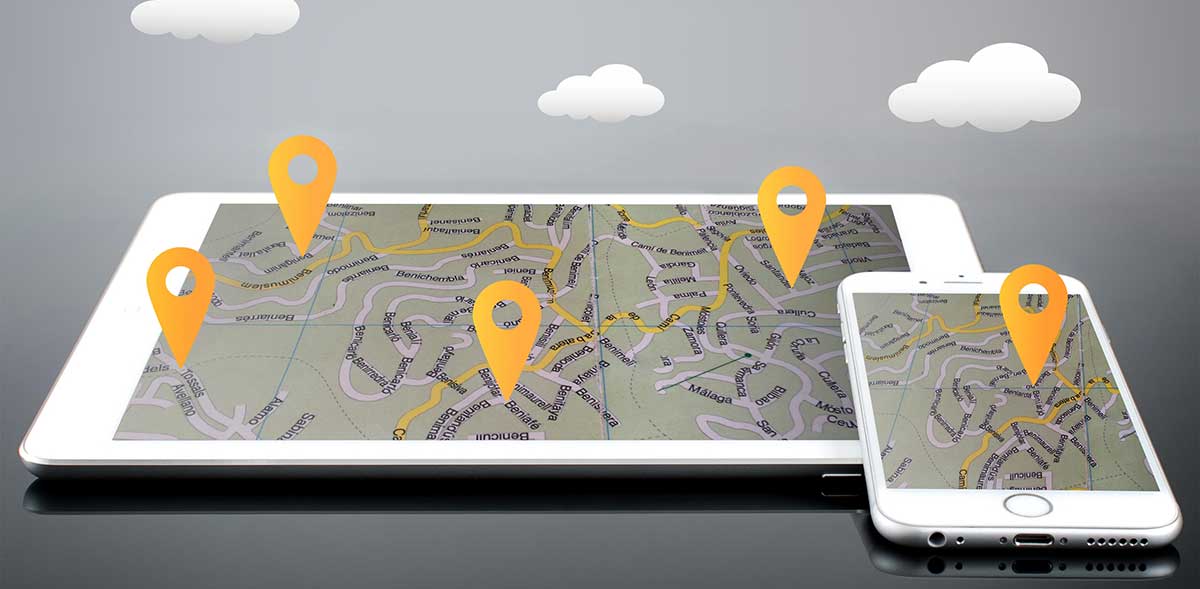
Understanding Assault GPS Evidence Texas
Before examining how investigators use location information, it helps to understand what assault GPS evidence Texas generally refers to.
GPS evidence involves electronically generated location information that may become relevant during a criminal investigation.
Depending on the circumstances, location-related evidence may originate from:
- Smartphones
- Vehicle navigation systems
- Smartwatches
- Fitness trackers
- Mobile applications
- Fleet management systems
- Other GPS-enabled devices
Whether this information becomes admissible depends upon the applicable rules of evidence, constitutional requirements, and the specific facts of the case.
Why GPS Evidence Matters
Modern technology records location information more frequently than many people realize.
Electronic location records sometimes assist investigators by helping establish:
- Approximate travel routes
- Arrival times
- Departure times
- Duration at particular locations
- Movement patterns
Although GPS records are not always perfectly precise, they may contribute valuable information when evaluated alongside the remaining evidence.
Sources of GPS Data
Location information may come from numerous electronic systems.
Common sources include:
- Mobile phone GPS services
- Vehicle infotainment systems
- Navigation applications
- Smart wearable devices
- Commercial tracking systems
- Mapping applications
Each source may collect location information differently, and the available records vary depending on the device and user settings.
Smartphone Location Services
Smartphones are among the most common sources of assault GPS evidence Texas.
Many devices use a combination of technologies to estimate location, including:
- GPS satellites
- Cellular networks
- Wi-Fi positioning
- Bluetooth signals
Together, these systems may create a location history that investigators sometimes review when legally authorized.
Vehicle Navigation Systems
Modern vehicles often include built-in navigation technology capable of storing travel information.
Depending on the vehicle and system, records may include:
- Recent destinations
- Saved addresses
- Route history
- Travel times
- Navigation activity
These records may help investigators understand vehicle movement during the relevant time period.

Wearable Devices
Fitness trackers and smartwatches increasingly generate location information.
Depending on device settings, these products may record:
- Walking routes
- Running paths
- Cycling activity
- Exercise times
- Geographic movement
When relevant and lawfully obtained, this information may become part of the overall investigation.
Mobile Applications
Many applications request permission to access a user’s location.
Examples include:
- Navigation apps
- Food delivery services
- Rideshare platforms
- Weather applications
- Social networking services
Depending on the application’s functions and privacy settings, location information may be retained for varying periods.
Real-Life Example
Imagine a hypothetical assault investigation involving two neighbors.
One individual claims the other arrived unexpectedly at a particular location shortly before the incident.
Investigators later review cellphone location history, vehicle navigation records, and a rideshare application’s activity logs after obtaining the appropriate legal authority.
Rather than relying exclusively on conflicting witness accounts, investigators compare the available GPS information with surveillance footage, text messages, and physical evidence collected during the investigation.
This example illustrates how assault GPS evidence Texas may provide additional context without replacing other forms of evidence.
GPS Evidence and Timelines
Building an accurate timeline often represents one of the most important parts of an assault investigation.
Location information may assist investigators in determining:
- When someone arrived
- When someone departed
- Approximate travel duration
- Sequence of movements
- Relationship between multiple locations
These details may help place other evidence into a broader chronological framework.
Limitations of GPS Data
Although GPS technology can be helpful, it has limitations.
Depending on the circumstances, location information may be affected by:
- Signal interference
- Urban environments
- Device settings
- Battery limitations
- Incomplete records
- Location accuracy variations
For this reason, investigators generally compare GPS information with additional evidence rather than treating it as conclusive.
Why Every Investigation Is Different
No two assault investigations involve identical digital evidence.
Some cases include extensive GPS information from several devices.
Others contain only limited location records or no GPS evidence at all.
Because each investigation presents different facts, assault GPS evidence Texas should always be evaluated within the context of the complete evidentiary record instead of relying upon location data alone.
Preserving GPS Evidence
An important part of assault GPS evidence Texas involves preserving electronic location information before it is lost or overwritten.
Many digital devices automatically update their stored information over time.
Depending on the technology involved, older location records may eventually be replaced by newer data.
For that reason, investigators often consider preserving relevant electronic information as early as possible during an investigation.
Depending on the circumstances, preservation efforts may involve:
- Securing electronic devices
- Preserving account information
- Documenting available records
- Maintaining original data when possible
- Following established evidence-handling procedures
Proper preservation helps maintain the integrity of digital evidence throughout the legal process.
Authentication of GPS Evidence
Before GPS records may be considered during legal proceedings, they generally must satisfy applicable evidentiary requirements.
Authentication involves demonstrating that the evidence is what it is claimed to be.
Depending on the circumstances, authentication may involve:
- Witness testimony
- Device information
- Electronic records
- Metadata
- Business records
- Technical documentation
The Texas Rules of Evidence establish the framework for determining whether electronic evidence may be admitted during court proceedings.
Privacy and Constitutional Considerations
The collection of location information may involve important legal and constitutional questions.
Depending on the facts of an investigation, issues may arise concerning:
- Search warrant requirements
- Privacy protections
- Lawful access to electronic information
- Scope of authorized searches
- Applicable constitutional safeguards
Courts evaluate these issues according to the specific facts presented and the governing law.
Metadata Associated With GPS Records
Location information often includes additional technical details beyond geographic coordinates.
Metadata may provide information such as:
- Date of the recorded event
- Time of the recorded event
- Device identification
- Accuracy estimates
- Source of the location data
- Other technical information
This additional information may help investigators better understand how and when location records were generated.
Comparing GPS Data With Other Evidence
One of the most valuable uses of assault GPS evidence Texas involves comparing electronic location information with other evidence gathered during the investigation.
Investigators may compare GPS records with:
- Surveillance camera footage
- Cellphone communications
- Text messages
- Witness testimony
- Vehicle records
- Physical evidence
- Officer observations
When multiple forms of evidence support one another, investigators may gain a more complete understanding of the events under review.

Expert Testimony
Some assault investigations involve technical issues that require specialized knowledge.
Qualified experts may assist the court by explaining topics such as:
- GPS technology
- Device operation
- Location accuracy
- Data collection methods
- Technical limitations
- Electronic record interpretation
Expert testimony helps explain complex technical concepts but does not determine the outcome of the case.
Chain of Custody
Like other forms of evidence, GPS records should be handled according to established procedures.
Chain of custody documents how evidence is collected, transferred, stored, and preserved throughout the investigation.
Documentation may include:
- Collection dates
- Individuals handling the evidence
- Storage methods
- Evidence transfers
- Preservation procedures
Maintaining accurate records helps demonstrate that the evidence has been handled appropriately throughout the legal process.
Real-Life Example
Imagine a hypothetical case involving an alleged assault near a public park.
Two individuals disagree about whether they were present at the location during the relevant time period.
Investigators lawfully obtain available location records from a smartphone, review vehicle navigation history, and compare that information with nearby surveillance footage and witness statements.
Although the GPS information does not answer every question, it becomes one part of the larger evidentiary picture that investigators evaluate together with the remaining evidence.
This example illustrates how assault GPS evidence Texas is most useful when viewed alongside other available information rather than standing alone.
Practical Considerations
Individuals involved in criminal investigations should recognize that location information may exist across multiple electronic devices and online accounts.
Practical considerations often include:
- Preserving existing electronic records
- Avoiding unnecessary alteration of digital information
- Maintaining relevant documentation
- Understanding that multiple devices may contain location history
- Recognizing that every source of GPS data may provide different levels of detail
Careful handling of electronic information may reduce disputes regarding the availability or authenticity of digital evidence later in the legal process.
The Importance of Context
GPS data provides valuable information, but it rarely explains every detail of an incident.
For example, location records may indicate where a device was located at a particular time, yet they may not reveal:
- Conversations between individuals
- Intentions or motives
- Events occurring outside the recorded location
- Circumstances leading to an encounter
Because of these limitations, courts generally evaluate GPS information together with all other admissible evidence presented during the case.
Every Assault Investigation Requires Individual Analysis
No universal formula applies to assault GPS evidence Texas investigations.
Some cases involve extensive digital location records collected from several devices.
Others contain only limited GPS information or rely primarily on witness testimony, surveillance footage, or physical evidence.
From an analytical perspective, GPS technology has become an increasingly valuable investigative tool because it can help establish timelines, movement patterns, and geographic context. However, the significance of location records ultimately depends on the specific facts of the investigation, the applicable legal standards, and how the GPS information fits within the complete body of admissible evidence presented during the case.

Conclusion
Assault GPS evidence Texas has become an increasingly valuable component of modern criminal investigations by helping investigators reconstruct timelines, identify movement patterns, and compare electronic location data with other available evidence. Information generated by smartphones, vehicle navigation systems, wearable devices, and location-based applications may provide useful context regarding where individuals or devices were located during relevant time periods. However, GPS records are only one part of the investigative process and are generally evaluated alongside witness testimony, surveillance footage, physical evidence, and other admissible information.
From an analytical perspective, assault GPS evidence Texas demonstrates how technological advancements continue to influence criminal investigations while remaining subject to established legal standards governing collection, authentication, admissibility, and privacy. Because GPS data can vary in accuracy and may not capture every detail surrounding an alleged incident, courts typically consider it within the broader evidentiary record rather than treating it as conclusive proof. Understanding how location information is preserved, interpreted, and presented helps explain its growing role in assault cases and reinforces the importance of evaluating every piece of evidence within the unique circumstances of each investigation.