Assault no contact orders Texas courts issue can immediately change a defendant’s daily life, and assault no contact orders Texas rules often take effect long before a case is ever resolved in court. For many people, the arrest is only the beginning. The real disruption begins when the court steps in and restricts who you can speak to, where you can go, and how you can communicate. These restrictions often feel sudden and overwhelming. They can alter routines in ways that are difficult to manage at first.
Picture this: a person in Houston is arrested after an argument that escalates. Within days, they are released—but with conditions. One of those conditions is a no-contact order. Suddenly, they cannot call, text, or even be near the person involved. If that person lives in the same home, everything becomes complicated overnight. Daily interactions that once seemed normal are no longer allowed. This shift forces immediate adjustments to living and communication arrangements.
That moment is when legal consequences move beyond paperwork and into real life. It marks the point where the case begins to affect everyday decisions. Even simple actions now require careful consideration.
Understanding how assault no contact orders Texas work helps explain why these restrictions matter—and how they shape the entire case under assault law. This knowledge helps individuals avoid unintentional violations. It also provides a clearer understanding of how to navigate the situation responsibly.
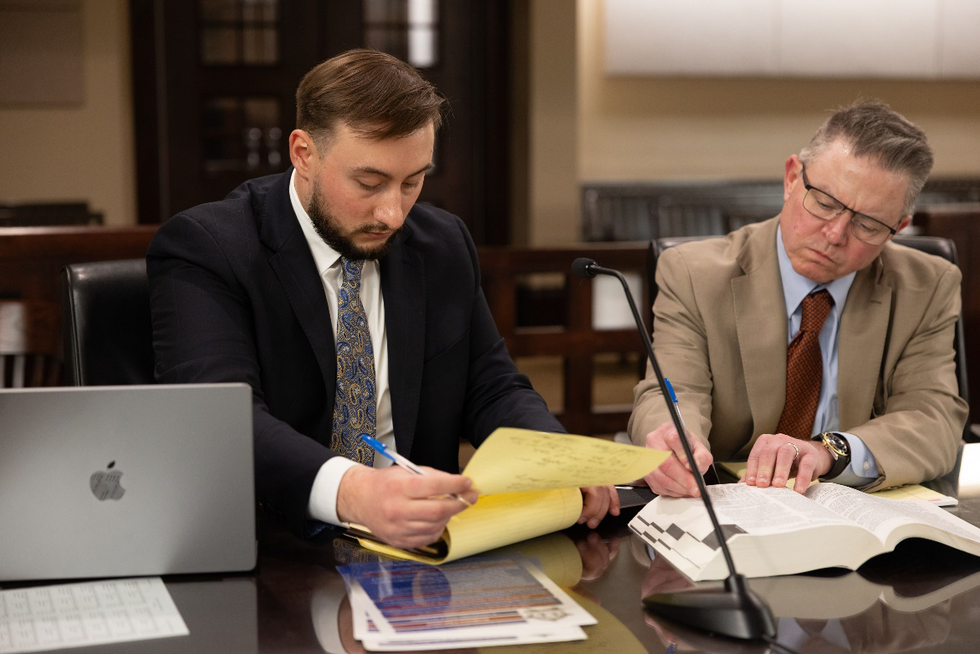
What a No-Contact Order Actually Means
A no-contact order is a court-imposed restriction that prevents a defendant from communicating with or approaching a specific individual. This restriction is legally enforceable and must be taken seriously. It is designed to create immediate separation between the parties involved.
In assault no contact orders Texas cases, this typically means:
- No phone calls
- No text messages
- No social media contact
- No in-person interaction
Each of these limitations applies at all times unless the court says otherwise. Even casual or brief contact can fall under these restrictions.
The restriction can be strict. It often leaves little room for interpretation or exceptions. This strictness is intended to prevent any chance of further conflict.
Even indirect contact—such as asking someone else to pass along a message—may violate the order. Many people overlook this detail and unintentionally create problems. Understanding this rule is critical to staying compliant.
From an analytical perspective, the goal is to create clear boundaries that prevent further conflict while the case is pending. These boundaries reduce the risk of escalation. They also help maintain stability during the legal process.
When No-Contact Orders Are Issued
These orders are often issued early in the legal process. In many cases, they appear almost immediately after an arrest. This timing can make the situation feel sudden and difficult to manage.
In assault no contact orders Texas situations, they may be imposed:
- At the time of release from jail
- During the initial court appearance
- As a condition of bond
Each of these stages represents a point where the court can set restrictions. The goal is to act quickly to prevent further issues.
The timing matters. It determines how soon the restrictions begin to affect daily life. Early issuance means adjustments must happen immediately.
Defendants may find themselves subject to restrictions before they fully understand what is happening. This lack of awareness can create confusion. It also increases the risk of unintentional violations if the rules are not clearly understood.
Real-Life Scenario: Immediate Impact
Consider a situation in Dallas.
A person is charged after a domestic dispute. They are released on bond with a no-contact order.
The challenge becomes immediate:
- They share a home with the alleged victim
- They have children together
- Daily communication was routine
Now, all of that stops.
The legal order changes the structure of their life overnight.
This is a common example of how assault no contact orders Texas affect real situations.
The Difference Between No-Contact Orders and Protective Orders
These terms are often confused.
However, they are not the same.
In assault no contact orders Texas cases:
- A no-contact order is usually part of a criminal case
- A protective order is a separate civil order with broader restrictions

Both can limit contact, but their scope and duration differ.
Understanding this distinction helps avoid confusion.
How Strict Are These Orders?
No-contact orders are typically strict.
They leave little room for interpretation.
In assault no contact orders Texas cases, violations may include:
- Sending a single text message
- Responding to a message initiated by the other party
- Being in the same location, even accidentally
This strictness is intentional.
The court aims to eliminate any risk of further interaction.
What Happens If the Other Person Initiates Contact?
This is one of the most misunderstood aspects.
Even if the alleged victim reaches out first, the order still applies.
In assault no contact orders Texas situations:
- The defendant must not respond
- Any communication can still be considered a violation
This creates a one-sided responsibility.
The defendant must follow the order regardless of the other person’s actions.
Real-Life Style Example: A Risky Reply
Imagine a case in Austin.
The alleged victim sends a message asking to talk.
The defendant responds, thinking it is harmless.
Later, the court reviews the communication.
Even though the contact was initiated by the other person, the response may still be treated as a violation.
This highlights how strict these orders can be.
Consequences of Violating a No-Contact Order
Violating a no-contact order is serious.
In assault no contact orders Texas cases, consequences may include:
- Revocation of bond
- Immediate arrest
- Additional criminal charges
The violation itself becomes a separate legal issue.
This can complicate the original case.
The Impact on Daily Life
No-contact orders affect more than legal proceedings.
They influence:
- Living arrangements
- Communication with family
- Work schedules
In assault no contact orders Texas situations, these effects can be significant.
For example:
- A person may need to move out of their home
- Communication with children may require third-party coordination
These changes can be challenging.
Communication Through Third Parties
In some cases, courts allow limited communication through attorneys or approved third parties.
However, this is not automatic.
In assault no contact orders Texas cases, any communication must:
- Follow court guidelines
- Avoid direct interaction
Missteps can lead to violations.
The Role of Attorneys in Managing Orders
Attorneys play a key role in navigating no-contact orders.
They can:
- Explain the restrictions clearly
- Request modifications when appropriate
- Ensure compliance
In assault no contact orders Texas cases, legal guidance helps avoid unintended violations.
Requesting Modifications to the Order
In certain situations, modifications may be possible.
For example:
- Allowing limited communication about children
- Adjusting living arrangements
However, changes require court approval.
In assault no contact orders Texas cases, defendants cannot modify the order on their own.
Analytical Perspective: Why Courts Use No-Contact Orders
From an analytical standpoint, these orders serve multiple purposes.
They:
- Prevent escalation
- Protect individuals
- Maintain order during legal proceedings

The goal is not punishment at this stage.
Instead, the focus is on prevention and stability.
Emotional Impact on Defendants
No-contact orders can be emotionally challenging.
Defendants may feel:
- Isolated
- Frustrated
- Uncertain
Understanding the purpose behind the order can help manage these feelings.
Long-Term Effects on the Case
No-contact orders can influence the outcome of a case.
For example:
- Compliance may reflect positively
- Violations may harm the defense
In assault no contact orders Texas cases, behavior during this period matters.
Real-Life Scenario: Compliance vs Violation
Consider two defendants in Fort Worth.
One follows the order strictly.
The other sends messages despite the restriction.
When the case progresses:
- The first demonstrates compliance
- The second faces additional legal issues
This difference can affect how the case is viewed.
Common Mistakes to Avoid
Defendants often make avoidable mistakes. These errors usually happen because the rules are not fully understood. Even small actions can lead to serious consequences.
These include:
- Responding to messages
- Assuming exceptions apply
- Ignoring indirect contact rules
Each of these actions may seem harmless at first. However, they can quickly turn into violations of the court order.
In assault no contact orders Texas situations, awareness prevents these errors. Understanding the boundaries helps reduce risk. It also allows defendants to make more careful decisions in stressful moments.
Practical Steps for Compliance
To stay compliant:
- Avoid all direct communication
- Document any attempted contact from the other party
- Consult your attorney before taking action

Each of these steps creates a layer of protection. Together, they help ensure that the order is followed correctly.
These steps reduce risk. They also provide a clear plan for handling difficult situations. In many cases, preparation makes compliance easier.
Conclusion
Assault no contact orders Texas courts issue can significantly affect a defendant’s life long before a case is resolved. While they are designed to prevent further conflict, they also require strict compliance. These orders can change daily routines and personal interactions. Understanding their impact is essential for managing them effectively.
Understanding how these orders work, what they restrict, and how to navigate them helps defendants avoid additional legal issues and manage their situation more effectively. This knowledge reduces uncertainty during the process. It also supports better decision-making as the case moves forward.