Assault pain and suffering claims Texas law allows can become one of the most significant parts of a victim’s recovery, and assault pain and suffering claims Texas cases often focus on harm that cannot be seen on an X-ray or measured on a receipt. While broken bones and medical bills are easier to quantify, the emotional aftermath of an assault can linger far longer and cut much deeper.
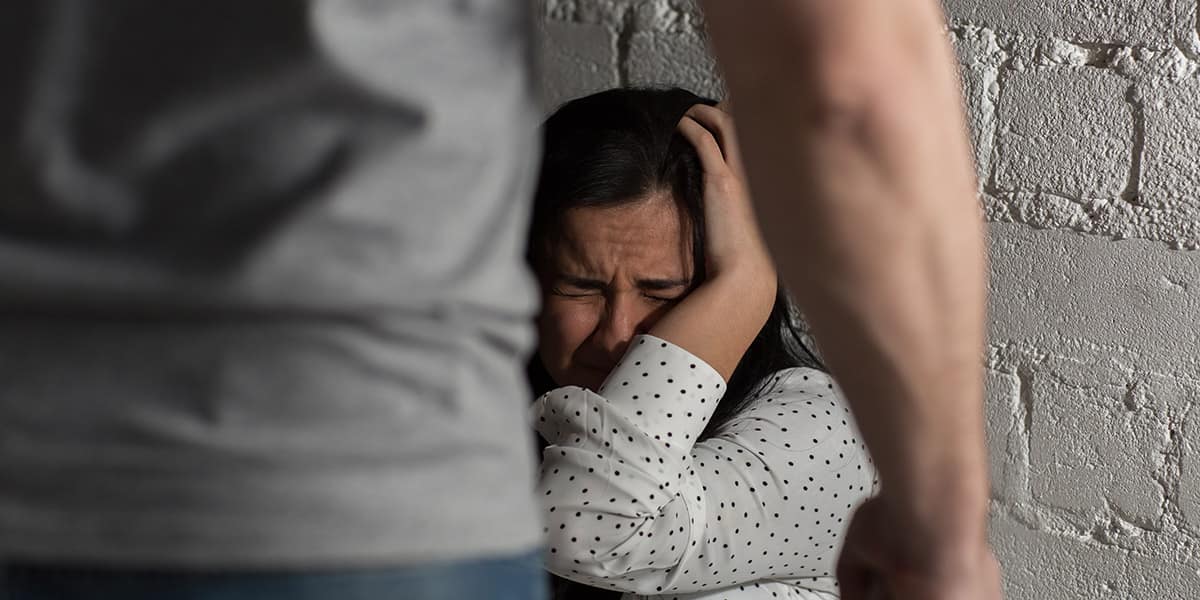
Picture a scenario in San Antonio. A person is involved in a physical altercation outside a restaurant. The visible injuries heal within weeks. Friends assume everything is “back to normal.” But the victim starts avoiding crowded places. Sleep becomes difficult. Anxiety appears in everyday situations. The physical wounds fade, but something else remains.
That “something else” is exactly what pain and suffering damages aim to address.
Understanding how these claims work—and whether they apply in a specific situation—requires looking beyond criminal charges and into the civil side of the law.
What “Pain and Suffering” Really Covers
In legal terms, pain and suffering is a category of damages that goes beyond direct financial loss. It reflects the personal impact of an event rather than measurable expenses. This concept allows the legal system to recognize harm that cannot be easily quantified.
In assault pain and suffering claims Texas cases, this category may include:
- Physical pain during and after the incident
- Emotional distress
- Mental anguish
- Loss of enjoyment of life
Unlike medical expenses, these damages do not come with invoices. There is no simple receipt that captures the extent of emotional or psychological harm. This makes evaluating these damages more complex.
From an analytical perspective, pain and suffering captures the qualitative impact of an event. It focuses on how the victim’s life has changed—not just what they spent. By considering these factors, courts can better understand the full scope of the harm.
The Difference Between Criminal Justice and Civil Recovery
One of the most important aspects of assault pain and suffering claims Texas law is the distinction between criminal and civil systems. This difference shapes how each case is handled and what outcomes are possible. Understanding this separation helps clarify why multiple legal actions may follow a single incident.
Criminal cases focus on:
- Determining guilt
- Imposing penalties
- Protecting public safety
Civil cases focus on:
- Compensating victims
- Addressing personal harm
- Restoring losses
These goals shift the focus to the victim’s experience. The purpose is to provide financial recovery rather than punishment.
This means that even if an assault charge leads to a criminal conviction, the victim may still pursue a separate civil claim for damages. The criminal case does not automatically resolve personal losses. Instead, the civil case provides an additional path for recovery.
These two systems operate independently but often intersect. Evidence from one case may influence the other. However, each process follows its own rules and objectives.
Real-Life Scenario: When Justice Isn’t Enough
Imagine a case in Houston.
An individual is assaulted during a dispute. The attacker is arrested and later convicted.
From a criminal perspective, justice is served.
However, the victim continues to experience:
- Ongoing anxiety
- Missed work
- Difficulty returning to normal routines
They file a civil claim seeking compensation.
This is where assault pain and suffering claims Texas become central—not to punish the offender, but to address the victim’s experience.
Who Can File Assault Pain and Suffering Claims Texas
Victims of assault generally have the right to pursue civil claims.
This includes individuals who:
- Suffered physical injuries
- Experienced emotional or psychological harm
- Endured lasting changes in quality of life
In some cases, additional claims may arise for family members, particularly if the assault caused severe or long-term consequences.
Eligibility depends on:
- The nature of the incident
- The connection between the harm and the assault
- The ability to prove damages

Proving Pain and Suffering in Court
One of the biggest challenges in assault pain and suffering claims Texas cases is proof. Unlike financial losses, these damages are not immediately visible or easy to quantify. This makes presenting a clear and convincing case more complex.
Unlike medical bills, pain and suffering requires supporting evidence that demonstrates impact. Courts need to see how the incident affected the victim beyond physical injuries. This often involves building a detailed picture of the individual’s experience.
This may include:
- Medical records
- Psychological evaluations
- Testimony from the victim
- Statements from friends or family
Each piece of evidence contributes to a broader understanding of the harm. Together, they help establish how the incident changed the victim’s life.
For example, a therapist’s report may show that the victim developed anxiety or PTSD after the incident. This type of documentation provides professional insight into emotional effects. It strengthens the claim by connecting the experience to measurable outcomes.
Courts rely on this type of evidence to understand the full scope of harm. Without it, claims may appear incomplete or unsupported. Detailed evidence helps ensure that the impact is fully recognized.
How Judges and Juries Evaluate These Claims
Courts consider several factors when evaluating assault pain and suffering claims Texas.
These may include:
- Severity of the assault
- Duration of recovery
- Impact on daily life
- Emotional and psychological effects
Each factor adds context to the overall situation. Together, they help create a complete picture of the victim’s experience.
For example, a minor incident with quick recovery may result in lower damages. In such cases, the long-term impact is limited. The compensation reflects the shorter duration of harm.
In contrast, a severe assault with lasting effects may lead to higher compensation. Long-term challenges increase the overall impact. This often results in more significant damage awards.
This evaluation process combines objective evidence with subjective judgment. Judges and juries must interpret both facts and personal experiences. This balance ensures that each case is assessed individually.
Physical Pain vs Emotional Suffering
Pain and suffering damages often include both physical and emotional components.
Physical pain may involve:
- Immediate injury
- Ongoing discomfort
- Long-term impairment
Emotional suffering may include:
- Anxiety
- Depression
- Fear
- Loss of confidence
In assault pain and suffering claims Texas cases, both aspects are considered together.
The goal is to capture the full experience of the victim.
Real-Life Style Example: The Lingering Impact
Consider a victim in Dallas.
After an assault, their injuries heal within weeks. However, they:
- Avoid social settings
- Experience panic in crowded spaces
- Struggle with sleep
These changes affect daily life.
In a civil claim, these effects become part of the damages.
This example highlights how the most significant impact is not always visible.
How Damages Are Calculated
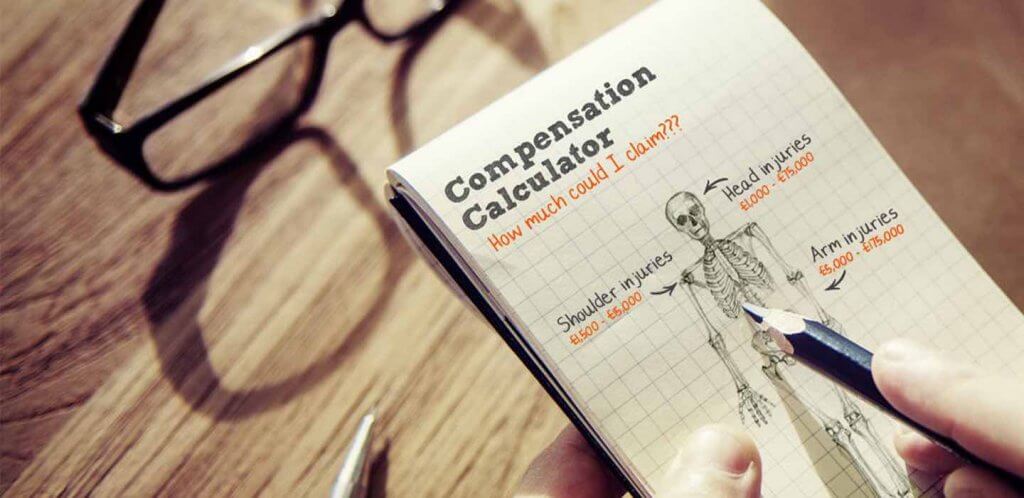
There is no fixed formula for pain and suffering damages.
However, courts and attorneys consider:
- Severity of harm
- Duration of impact
- Effect on lifestyle
In assault pain and suffering claims Texas cases, damages may be influenced by:
- Documentation
- Expert testimony
- Jury perception
This makes each case unique.
The Role of Insurance in Assault Claims
In some cases, insurance may be involved.
For example:
- A business may be liable if the assault occurred on its premises
- Negligent security claims may arise
In these situations, assault pain and suffering claims Texas may involve insurance companies.
This can affect:
- Settlement negotiations
- Claim evaluation
- Compensation amounts
Comparative Fault in Texas
Texas follows a modified comparative fault system.
This means:
- Damages may be reduced if the victim shares responsibility
- Recovery may be barred if the victim is more than 50% at fault
In assault cases, this can become relevant if:
- Both parties contributed to the conflict
- The situation escalated from mutual actions
Understanding this rule is important when evaluating claims.
Settlements vs Trial
Many assault pain and suffering claims Texas cases resolve through settlement.
Settlements can:
- Provide faster resolution
- Reduce legal costs
- Avoid trial uncertainty
However, some cases proceed to trial when:
- Liability is disputed
- Damages are contested
Each option carries different risks and benefits.
The Emotional Process of Pursuing a Claim
Filing a claim can be emotionally challenging.
Victims may need to:
- Revisit the incident
- Provide detailed accounts
- Engage in legal proceedings
Understanding the process can help reduce uncertainty.
Long-Term Effects on Victims
Assault can have lasting consequences.
These may include:
- Behavioral changes
- Ongoing mental health challenges
- Altered daily routines
Assault pain and suffering claims Texas recognize that these effects extend beyond the initial event.
Analytical Perspective: Why These Claims Exist
From an analytical standpoint, these claims serve multiple purposes.
They:
- Acknowledge non-economic harm
- Provide financial support for recovery
- Reinforce accountability
They also highlight that harm is not always measurable in dollars alone.
Practical Steps for Victims
For those considering a claim, key steps include:
- Documenting injuries and symptoms
- Seeking medical and psychological care
- Consulting legal professionals

These steps strengthen the claim.
Conclusion
Assault pain and suffering claims Texas provide a pathway for victims to seek compensation for both visible and invisible harm. While physical injuries may heal, emotional and psychological effects often last much longer. These claims recognize that recovery is not limited to what can be physically seen. They help address the deeper impact that can affect daily life and well-being.
By understanding how these claims work, victims can make informed decisions about their options and take steps toward recovery and stability. This knowledge empowers individuals to move forward with greater confidence. In many cases, it also helps them access the support and resources they need during the healing process.