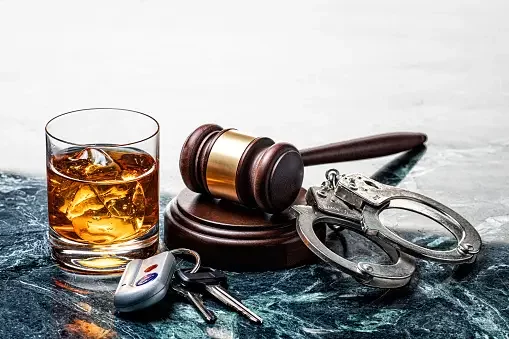
Understanding DUI Penalties in Texas: A Comprehensive Overview
In Texas, DUI penalties can vary significantly based on several factors, including the driver's age, prior offenses, and the specific circumstances surrounding the incident. Generally, first-time offenders may face fines, license suspensions, and mandatory alcohol education programs. It's crucial for individuals to fully understand these potential consequences to navigate their legal situation effectively.
For example, a first-time DUI conviction in Texas can lead to fines up to $2,000, a license suspension for up to a year, and even jail time of up to 180 days. Repeat offenders face harsher penalties, including longer suspensions and increased fines. Understanding the nuances of these penalties can help individuals make informed decisions about their defense strategies.
Common Defenses Against DUI Charges in Texas
When facing DUI charges, it's essential to explore various defense strategies that may be applicable to your case. Common defenses include challenging the legality of the traffic stop, questioning the accuracy of breathalyzer or field sobriety tests, and demonstrating that the driver was not impaired at the time of arrest. Each case is unique, and a skilled attorney can help identify the most effective defense.
For instance, if an officer did not have probable cause to initiate a traffic stop, any evidence obtained during that stop may be deemed inadmissible in court. Additionally, if a breathalyzer device was improperly maintained or calibrated, the results may not accurately reflect the driver's blood alcohol content. Understanding these defenses can empower individuals to fight their charges more effectively.
The Consequences of Refusing a Breathalyzer Test in Texas
In Texas, refusing to take a breathalyzer test when suspected of DUI can lead to severe consequences, including automatic license suspension. This is part of the state's implied consent law, which mandates that drivers consent to chemical testing if arrested for DUI. Understanding the implications of refusal is crucial for anyone facing potential DUI charges.
For example, refusing a breathalyzer test can result in a 180-day license suspension for first-time offenders and longer for repeat offenders. Moreover, this refusal may be used against the driver in court, potentially leading to harsher penalties. It's essential to weigh the risks and benefits of taking or refusing a breathalyzer test when confronted with a DUI arrest.
Seeking Legal Representation: Why You Need a DUI Attorney
Engaging a knowledgeable DUI attorney can significantly impact the outcome of your case. A skilled attorney understands the complexities of DUI laws in Texas and can provide invaluable guidance throughout the legal process. They can help you navigate court proceedings, negotiate plea deals, and develop effective defense strategies tailored to your situation.
For instance, an experienced DUI attorney can analyze the evidence against you, identify potential weaknesses in the prosecution's case, and advocate for reduced penalties or alternative sentencing options. Their expertise can be the difference between a favorable resolution and severe legal consequences, making it crucial to seek legal representation as soon as possible after a DUI charge.
Understanding DUI Penalties in Texas: A Comprehensive Overview
In Texas, DUI penalties can vary significantly based on several factors, including the driver's age, prior offenses, and the specific circumstances surrounding the incident. Generally, first-time offenders may face fines, license suspensions, and mandatory alcohol education programs. It's crucial for individuals to fully understand these potential consequences to navigate their legal situation effectively.
For example, a first-time DUI conviction in Texas can lead to fines up to $2,000, a license suspension for up to a year, and even jail time of up to 180 days. Repeat offenders face harsher penalties, including longer suspensions and increased fines. Understanding the nuances of these penalties can help individuals make informed decisions about their defense strategies.
Common Defenses Against DUI Charges in Texas
When facing DUI charges, it's essential to explore various defense strategies that may be applicable to your case. Common defenses include challenging the legality of the traffic stop, questioning the accuracy of breathalyzer or field sobriety tests, and demonstrating that the driver was not impaired at the time of arrest. Each case is unique, and a skilled attorney can help identify the most effective defense.
For instance, if an officer did not have probable cause to initiate a traffic stop, any evidence obtained during that stop may be deemed inadmissible in court. Additionally, if a breathalyzer device was improperly maintained or calibrated, the results may not accurately reflect the driver's blood alcohol content. Understanding these defenses can empower individuals to fight their charges more effectively.
The Consequences of Refusing a Breathalyzer Test in Texas
In Texas, refusing to take a breathalyzer test when suspected of DUI can lead to severe consequences, including automatic license suspension. This is part of the state's implied consent law, which mandates that drivers consent to chemical testing if arrested for DUI. Understanding the implications of refusal is crucial for anyone facing potential DUI charges.
For example, refusing a breathalyzer test can result in a 180-day license suspension for first-time offenders and longer for repeat offenders. Moreover, this refusal may be used against the driver in court, potentially leading to harsher penalties. It's essential to weigh the risks and benefits of taking or refusing a breathalyzer test when confronted with a DUI arrest.
Seeking Legal Representation: Why You Need a DUI Attorney
Engaging a knowledgeable DUI attorney can significantly impact the outcome of your case. A skilled attorney understands the complexities of DUI laws in Texas and can provide invaluable guidance throughout the legal process. They can help you navigate court proceedings, negotiate plea deals, and develop effective defense strategies tailored to your situation.
For instance, an experienced DUI attorney can analyze the evidence against you, identify potential weaknesses in the prosecution's case, and advocate for reduced penalties or alternative sentencing options. Their expertise can be the difference between a favorable resolution and severe legal consequences, making it crucial to seek legal representation as soon as possible after a DUI charge.
 Skip to content