Assault grand jury process Texas cases often confuse defendants and families because much of what happens occurs behind closed doors. Unlike a public trial where witnesses testify openly and attorneys argue before a judge, grand jury proceedings operate differently. Many people first hear the term “grand jury” after being arrested or investigated for a felony assault allegation and immediately assume they are about to stand trial. In reality, the grand jury serves a different purpose.
For someone accused of assault, receiving notice that a case is heading to a grand jury can be intimidating.
Imagine a man in Texas accused of aggravated assault after a heated confrontation outside a nightclub. He has already been arrested, bonded out of jail, and hired a defense attorney. Just as he starts to understand the criminal process, he learns prosecutors plan to present his case to a grand jury. He imagines a courtroom filled with jurors deciding whether he is guilty. What actually happens is much different.
The grand jury does not decide guilt or innocence.
Instead, it determines whether sufficient evidence exists to formally move forward with felony criminal charges. That distinction is important because many assault cases never make it past this stage, while others move on to full prosecution after an indictment.
Understanding the assault grand jury process Texas courts use can help defendants, families, and anyone following a criminal case better understand what happens before a felony assault case reaches trial.
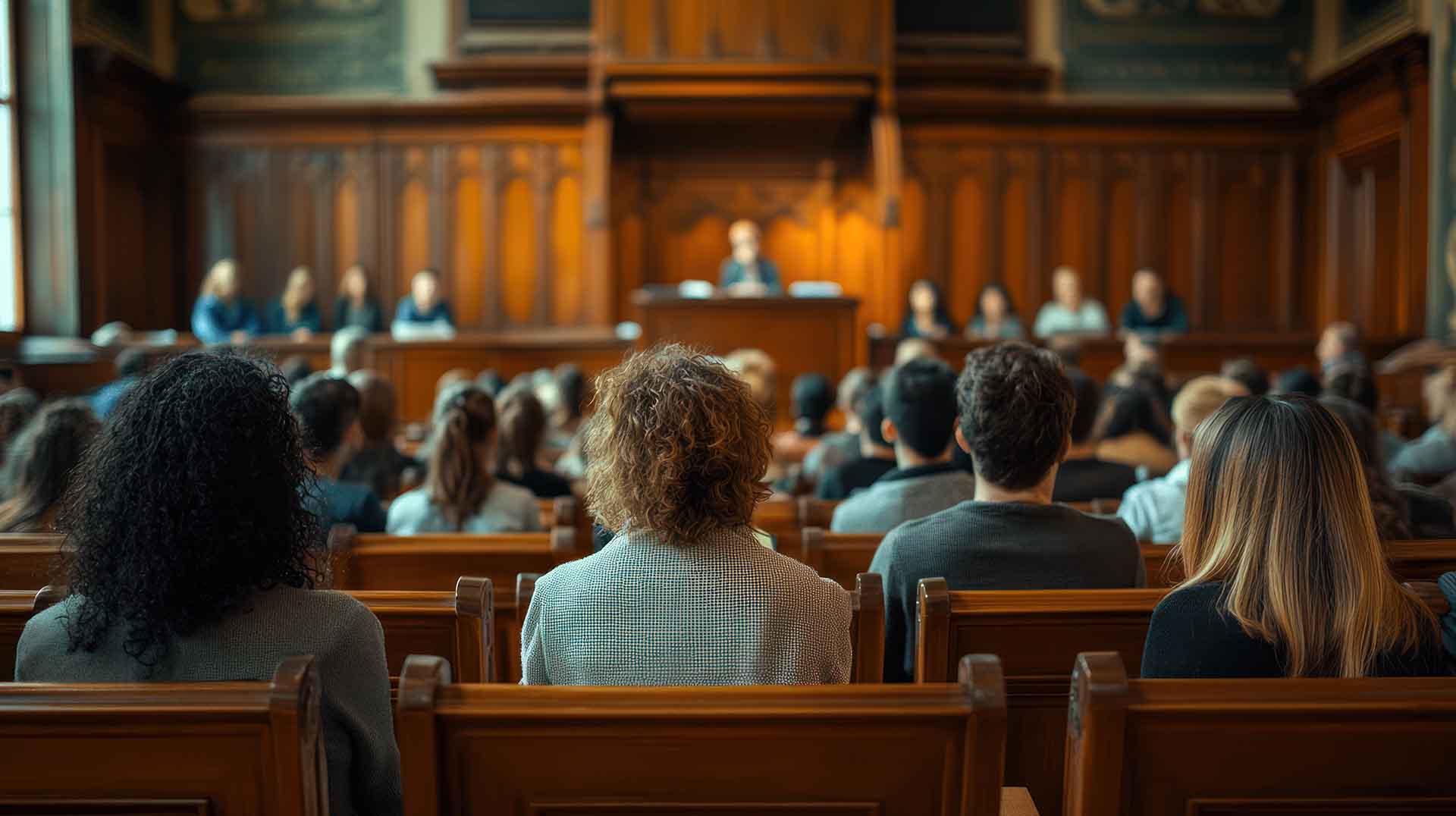
What Is a Grand Jury?
A grand jury is a group of citizens selected to review criminal allegations and determine whether probable cause exists to believe a crime occurred.
The Grand Jury Has a Limited Role
Unlike a trial jury, a grand jury does not decide:
- Whether the defendant is guilty
- Whether the defendant is innocent
- What punishment should be imposed
Instead, jurors focus on one question:
Is there enough evidence to justify moving forward with criminal prosecution?
Why Grand Juries Exist
The grand jury serves as a screening mechanism.
Its purpose is to prevent weak or unsupported felony charges from moving directly into the court system without review.
Why Assault Cases Often Go to a Grand Jury
Not every assault case requires grand jury review.
Misdemeanor Assault Cases Usually Do Not
Many simple assault allegations remain misdemeanor matters handled without grand jury involvement.
Felony Assault Cases Often Require Review
The assault grand jury process Texas prosecutors use frequently applies to cases involving:
- Aggravated assault
- Serious bodily injury
- Deadly weapons
- Assault on public servants
- Certain family violence offenses
Because felony convictions carry significant consequences, grand jury review often becomes necessary.
A Real-Life Style Example of the Grand Jury Process
A woman in Texas is accused of striking another driver during a road rage confrontation. Initially, police treat the matter as a simple assault investigation. Later, prosecutors allege the victim suffered serious injuries requiring surgery.
Now the case potentially qualifies as felony aggravated assault.
Before formal felony charges move forward, prosecutors present evidence to a grand jury. The jurors review witness statements, police reports, medical records, and other evidence.
After deliberation, the grand jury decides whether an indictment should be issued.
This process happens every day in felony assault investigations throughout Texas.
What Is an Indictment?
One of the most important outcomes in the assault grand jury process Texas defendants face is the indictment decision.
An Indictment Is Not a Conviction
Many people misunderstand this concept.
An indictment simply means the grand jury believes enough evidence exists to continue prosecution.
What Happens After Indictment?
Once indicted, the case generally moves forward through the criminal court system where:
- Defense attorneys challenge evidence
- Motions are filed
- Trials may occur
The defendant still has every opportunity to defend against the allegations.

How Grand Jury Proceedings Work
Grand jury proceedings differ significantly from trials.
Proceedings Are Usually Private
Unlike public court hearings, grand jury sessions are generally confidential.
Why Secrecy Exists
Supporters argue confidentiality:
- Protects witnesses
- Encourages truthful testimony
- Prevents interference with investigations
Critics sometimes argue the secrecy creates fairness concerns.
Regardless of perspective, confidentiality remains a major feature of the assault grand jury process Texas courts follow.
Who Participates in Grand Jury Proceedings?
Several individuals may appear during proceedings.
Prosecutors Play a Central Role
Prosecutors:
- Present evidence
- Question witnesses
- Explain legal issues
Witnesses May Testify
Witnesses often include:
- Police officers
- Victims
- Eyewitnesses
- Experts
Defendants Usually Are Not Present
This surprises many people.
In most situations, defendants do not sit in the room while evidence is presented.
Why Defendants Often Feel Frustrated
The grand jury process can feel one-sided.
Prosecutors Control the Presentation
Because prosecutors generally decide:
- Which evidence to present
- Which witnesses to call
defendants sometimes feel disadvantaged.
Limited Defense Participation
Defense attorneys typically do not cross-examine witnesses inside grand jury proceedings the way they would during trial.
This contributes to anxiety surrounding the assault grand jury process Texas defendants encounter.
The Standard of Proof Is Lower Than Trial
One major difference involves evidentiary standards.
Trial Requires Proof Beyond a Reasonable Doubt
That is the highest burden in criminal law.
Grand Jury Proceedings Require Less
The grand jury generally evaluates whether probable cause exists.
This lower threshold makes indictments easier to obtain than convictions.
What Evidence Is Presented?
Prosecutors often present a broad range of evidence.
Common Evidence Includes
- Police reports
- Witness testimony
- Medical records
- Photographs
- Video footage
Rules Are Different Than Trial
Certain evidentiary restrictions that apply during trial may operate differently during grand jury proceedings.
This distinction often surprises defendants.
Assault Grand Jury Process Texas and Witness Testimony
Witnesses often shape outcomes significantly.
Victim Testimony May Matter
Victims sometimes explain:
- What happened
- Injuries suffered
- Their observations
Police Officers Frequently Testify
Officers may summarize:
- Investigations
- Evidence collection
- Arrest circumstances
Jurors often rely heavily on law enforcement testimony.
The Importance of Injury Evidence
In felony assault cases, injuries frequently become central issues.
Medical Records Can Be Powerful
Prosecutors may present:
- Hospital reports
- Surgical records
- Physician testimony
Serious Bodily Injury Matters
The severity of injuries often influences whether prosecutors pursue felony charges.
Assault Grand Jury Process Texas and Self-Defense Claims
Many assault defendants claim self-defense.
Can Grand Juries Consider Self-Defense?
Yes.
Self-defense evidence may influence grand jury decisions.
Why These Cases Become Complicated
Grand jurors may hear competing versions of events involving:
- Fear
- Threats
- Physical confrontations
Determining what actually happened can be challenging.
Deadly Weapon Allegations
Weapon allegations often increase the seriousness of assault cases.
Common Deadly Weapons Include
- Firearms
- Knives
- Blunt objects
Why Weapon Cases Receive Attention
Deadly weapon findings may:
- Increase penalties
- Elevate charges
- Influence grand jury decisions
The assault grand jury process Texas courts use frequently involves detailed examination of weapon evidence.
What Happens If No Indictment Is Returned?
Not every case results in indictment.
A “No Bill” May Be Issued
A no bill means the grand jury declined to indict.
Why No Bills Occur
Possible reasons include:
- Insufficient evidence
- Credibility concerns
- Self-defense issues
While prosecutors sometimes revisit cases later, a no bill can represent a significant victory for defendants.
Grand Jury Secrecy and Public Curiosity
People often wonder why grand jury proceedings remain confidential.
Reasons Often Given
Supporters argue secrecy:
- Protects reputations
- Encourages cooperation
- Preserves investigations

Criticism Exists Too
Some argue greater transparency would improve fairness.
Regardless, secrecy remains a defining characteristic of the process.
How Defense Attorneys Influence Grand Jury Outcomes
Although defense participation is limited, attorneys still play important roles.
Defense Lawyers May
- Present information to prosecutors
- Provide documents
- Highlight weaknesses
Strategic Communication Matters
Sometimes early intervention influences how prosecutors present cases.
Assault Grand Jury Process Texas and Digital Evidence
Technology increasingly shapes criminal investigations.
Common Digital Evidence Includes
- Text messages
- Social media posts
- Surveillance video
- Cell phone data
Why Digital Evidence Matters
These materials may support or contradict witness accounts.
Grand jurors frequently review digital evidence in modern assault cases.
Family Violence Assault Cases
Domestic violence allegations often appear before grand juries.
Why These Cases Are Unique
Family violence incidents frequently involve:
- Emotional relationships
- Limited witnesses
- Conflicting stories
Grand Jurors Evaluate Credibility
Witness reliability often becomes a major issue.
The Role of Prosecutorial Discretion
Prosecutors exercise significant control over the process.
Decisions Include
- Which charges to pursue
- Which evidence to present
- Which witnesses to call
Why This Matters
The prosecution’s presentation often shapes the grand jury’s understanding of the case.
Grand Jury Questions
Jurors are not passive observers.
Jurors May Ask Questions
They sometimes seek clarification regarding:
- Evidence
- Witness statements
- Legal issues
Active Participation Helps
Questions may reveal concerns or uncertainties within the group.
Assault Grand Jury Process Texas and Public Servants
Assault allegations involving public servants often receive special attention.
Examples Include
- Police officers
- Firefighters
- Emergency personnel
Enhanced Penalties May Apply
Because these cases often carry increased consequences, grand jury review becomes particularly important.
Why Timing Matters
Grand jury review does not always happen immediately.
Delays May Occur Because Of
- Ongoing investigations
- Evidence collection
- Witness availability
Defendants Often Feel Anxious
Waiting for grand jury decisions can create significant emotional stress.
Emotional Impact on Defendants
The uncertainty surrounding grand jury proceedings affects many people.
Common Reactions Include
- Anxiety
- Fear
- Frustration
- Confusion
The Unknown Creates Stress
Many defendants have never encountered the criminal justice system before.
The process feels intimidating.
How Media Coverage Influences Perception
High-profile assault cases sometimes attract media attention.
Public Reporting May Create Pressure
News coverage can:
- Shape public opinion
- Increase scrutiny
Grand Jurors Must Focus on Evidence
Their decisions should be based on evidence rather than media narratives.
What Grand Jurors Actually Consider
Grand jurors generally focus on:
- Credibility
- Evidence strength
- Legal elements
They Do Not Decide Final Guilt
This distinction remains critical.
The grand jury’s role is limited compared to a trial jury.
Common Misconceptions About Grand Juries
Many myths surround the process.
Myth: Indictment Means Conviction
False.
Many indicted defendants ultimately:
- Win trials
- Obtain dismissals
- Negotiate favorable outcomes
Myth: Grand Juries Always Follow Prosecutors
Not always.
No bills occur regularly in certain cases.
Why Preparation Matters
Strong preparation influences outcomes throughout the criminal process.
Defense Attorneys Often Focus On
- Evidence review
- Witness analysis
- Early strategy development
The Grand Jury Stage Is Only One Part
Even after indictment, substantial opportunities remain to challenge the case.
Lessons Defendants Learn Too Late
Many people misunderstand the purpose of grand juries.
Common Realizations Include
- Grand juries do not determine guilt
- Indictments are not convictions
- Cases continue evolving afterward
Understanding these realities helps reduce unnecessary panic.

Conclusion
Assault grand jury process Texas proceedings serve as an important checkpoint in felony assault cases, allowing citizens to review evidence and determine whether probable cause exists to move forward with criminal prosecution. While the process often feels mysterious and intimidating to defendants, it is not a trial and does not determine guilt or innocence.
Grand juries review evidence, hear witness testimony, and evaluate whether formal felony charges should proceed. Their decisions may result in indictments, allowing prosecution to continue, or no bills, preventing charges from moving forward at that stage. Factors such as injury severity, witness credibility, self-defense claims, digital evidence, and prosecutorial presentation often play significant roles in these decisions.
For defendants, understanding the assault grand jury process Texas courts use can help reduce confusion and anxiety. Although the proceedings occur behind closed doors and involve limited defense participation, they represent only one stage of a much larger legal process. An indictment does not guarantee conviction, and numerous opportunities remain to challenge evidence, present defenses, and seek favorable outcomes later in court.
Ultimately, the grand jury exists to evaluate whether a felony assault case deserves to proceed—not to determine the final outcome. Knowing that distinction helps place this important stage of the criminal justice system into proper perspective.