Assault forensic evidence Texas cases often hinge on much more than witness testimony because modern criminal investigations increasingly rely on scientific evidence to reconstruct what happened during an alleged assault. While many people imagine assault prosecutions as simple disputes between two individuals telling different stories, the reality is often far more complex. DNA samples, fingerprints, injury analysis, blood evidence, digital records, surveillance footage, and forensic examinations frequently play major roles in determining whether prosecutors can prove their case.
For defendants, victims, and jurors alike, forensic evidence can be incredibly persuasive.
Imagine a late-night altercation outside a Texas nightclub. Two men claim the other started the fight. Witnesses provide conflicting statements. One person insists he acted in self-defense. The other claims he was attacked without warning. Without physical evidence, the case might become little more than a credibility contest.
Then investigators discover blood on a discarded shirt, surveillance footage from a nearby business, and DNA evidence linking one individual to an object used during the confrontation.
Suddenly, the case looks very different.
This is why assault forensic evidence Texas prosecutions have become increasingly important. Scientific evidence can support witness testimony, challenge inaccurate claims, strengthen defense arguments, or even reveal facts nobody initially understood.
At the same time, forensic evidence is not infallible. Mistakes happen. Evidence can be contaminated, misinterpreted, or collected improperly. Understanding both the strengths and limitations of forensic evidence is essential for understanding how assault cases unfold in Texas courts.
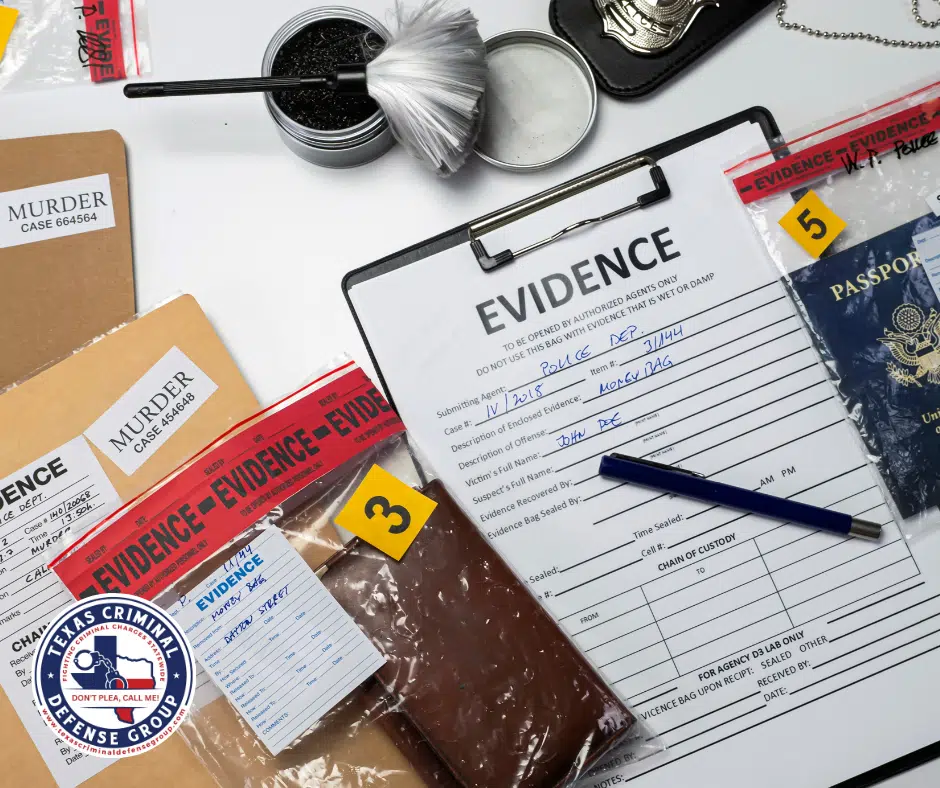
What Is Forensic Evidence?
Forensic evidence refers to scientific or technical evidence used in criminal investigations.
The Purpose of Forensic Evidence
Investigators use forensic methods to:
- Identify individuals
- Reconstruct events
- Verify witness statements
- Analyze physical evidence
Why Science Matters
Unlike personal opinions or memories, forensic evidence attempts to rely on measurable facts.
This is one reason assault forensic evidence Texas prosecutors often present carries significant weight with jurors.
Why Forensic Evidence Matters in Assault Cases
Assault cases frequently involve conflicting stories.
Witnesses Often Disagree
People may remember events differently because:
- Emotions were high
- Visibility was poor
- Alcohol was involved
Physical Evidence Provides Additional Information
Scientific analysis may help answer questions about:
- Who was present
- How injuries occurred
- Whether weapons were involved
This additional layer of evidence often becomes critical.
A Real-Life Style Example
Two coworkers become involved in an argument in a parking lot.
One claims the other struck him first.
The second insists he acted only in self-defense.
No independent witnesses saw the beginning of the confrontation.
Investigators collect:
- Clothing
- Blood samples
- Surveillance footage
Forensic analysis later helps determine the sequence of events more clearly than witness testimony alone.
This illustrates why assault forensic evidence Texas investigations frequently rely on scientific methods.
DNA Evidence in Assault Cases
DNA remains one of the most powerful forensic tools available.
What DNA Can Reveal
DNA may connect individuals to:
- Crime scenes
- Weapons
- Clothing
- Victims
Why DNA Matters
Biological material often remains on:
- Hands
- Clothing
- Objects involved in physical confrontations
DNA evidence can sometimes confirm or challenge competing accounts.
Blood Evidence and Injury Analysis
Blood frequently becomes important evidence in assault investigations.
Bloodstain Evidence Can Provide Clues
Investigators may analyze:
- Location
- Distribution
- Patterns
Why Blood Patterns Matter
The placement of blood sometimes helps reconstruct:
- Movements
- Positions
- Impact locations
These findings often become central issues during trial.
Assault Forensic Evidence Texas and Fingerprints
Fingerprints remain useful in certain assault investigations.
Common Sources Include
- Weapons
- Vehicles
- Doors
- Personal property

What Fingerprints Show
Fingerprints may demonstrate that a person touched a particular object.
However, they do not always establish:
- When contact occurred
- Why contact occurred
This limitation often becomes important in court.
Injury Documentation and Medical Evidence
Medical evidence frequently appears in assault prosecutions.
Common Sources Include
- Hospital records
- Physician reports
- Emergency room documentation
Why Medical Records Matter
They help establish:
- Injury severity
- Treatment needs
- Physical effects
Prosecutors often use medical evidence to support allegations of violence.
Digital Forensic Evidence
Technology now plays a major role in many criminal investigations.
Common Digital Evidence Includes
- Text messages
- Emails
- Social media communications
- Location data
Why Digital Evidence Matters
Digital records sometimes reveal:
- Motives
- Threats
- Prior conflicts
before an alleged assault occurs.
Assault Forensic Evidence Texas and Surveillance Video
Video footage often becomes one of the most influential forms of evidence.
Common Sources Include
- Security cameras
- Business surveillance systems
- Home cameras
- Traffic cameras
Why Video Changes Cases
Video sometimes:
- Confirms witness accounts
- Contradicts statements
- Reveals missing details
Jurors often find visual evidence particularly persuasive.
Cell Phone Evidence
Modern smartphones generate significant amounts of information.
Investigators May Examine
- Call logs
- Text history
- GPS records
- Photographs
Why Phones Matter
Digital evidence may help establish:
- Locations
- Relationships
- Timelines
These details often strengthen or weaken competing narratives.
Assault Forensic Evidence Texas and Weapons Analysis
Weapons frequently become important evidence.
Common Weapons Include
- Knives
- Firearms
- Blunt objects
Forensic Analysis May Examine
- DNA
- Fingerprints
- Blood traces
The goal is often determining who handled the object and how it was used.
Crime Scene Reconstruction
Forensic specialists sometimes reconstruct assault incidents.
Reconstruction Involves
- Physical evidence analysis
- Injury patterns
- Witness accounts
Why Reconstruction Matters
It helps investigators develop theories about:
- Sequence of events
- Participant actions
- Potential causes of injuries
The Importance of Chain of Custody
Evidence handling matters significantly.
What Is Chain of Custody?
Chain of custody documents:
- Who collected evidence
- Who handled it
- Where it was stored
Why Courts Care
Improper handling may raise concerns about:
- Contamination
- Tampering
- Reliability
Defense attorneys frequently review chain-of-custody records carefully.
Assault Forensic Evidence Texas and Self-Defense Claims
Self-defense often becomes a central issue.
Forensic Evidence May Support Self-Defense
Examples include:
- Defensive wounds
- Injury patterns
- DNA locations
Physical Evidence Can Challenge Assumptions
Sometimes forensic findings support accounts that initially seemed unlikely.
Alcohol and Drug Evidence
Substance use sometimes plays a role.
Toxicology Reports May Reveal
- Alcohol levels
- Drug presence
- Impairment indicators
Why This Matters
Substance use may affect:
- Witness perception
- Defendant behavior
- Memory reliability
The Role of Forensic Experts
Experts often explain scientific findings during trial.
Common Experts Include
- DNA analysts
- Medical professionals
- Crime scene specialists
Why Experts Matter
Complex evidence often requires specialized interpretation.
Jurors rely on experts to understand scientific conclusions.
Assault Forensic Evidence Texas and Laboratory Testing
Laboratory analysis often forms the backbone of forensic investigations.

Labs May Analyze
- DNA samples
- Blood evidence
- Trace materials
Accuracy Matters
Laboratories must follow strict procedures to maintain reliability.
Forensic Evidence Is Not Perfect
Many people assume science always provides clear answers.
Reality is more complicated.
Potential Problems Include
- Contamination
- Human error
- Misinterpretation
Why Limitations Matter
Defense attorneys frequently challenge forensic conclusions when weaknesses appear.
How Prosecutors Use Forensic Evidence
Prosecutors often rely heavily on science.
Common Goals Include
- Strengthening witness testimony
- Establishing identity
- Confirming timelines
Scientific Evidence Feels Objective
Jurors often view forensic evidence as more reliable than personal recollections.
How Defense Attorneys Challenge Forensic Evidence
Defense lawyers rarely accept forensic conclusions automatically.
Common Challenges Include
- Collection procedures
- Testing methods
- Laboratory practices
Why Challenges Matter
Scientific evidence still requires human interpretation.
Mistakes sometimes occur.
Assault Forensic Evidence Texas and False Assumptions
Evidence may not always mean what people initially assume.
A DNA Match Does Not Always Prove Guilt
Questions may remain regarding:
- Timing
- Context
- Innocent explanations
Interpretation Matters
Evidence must be evaluated within the broader facts of the case.
Witness Testimony Versus Forensic Evidence
These two evidence categories often interact.
Sometimes They Support Each Other
Forensic findings may confirm witness statements.
Sometimes They Conflict
Scientific evidence occasionally contradicts witness accounts.
These conflicts often become major trial issues.
Why Jurors Trust Scientific Evidence
Science often carries powerful influence.
Common Reasons Include
- Objectivity
- Technical expertise
- Perceived neutrality
Prosecutors Understand This
Scientific evidence often receives significant emphasis during trial presentations.
Assault Forensic Evidence Texas and Domestic Violence Cases
Domestic violence investigations frequently involve forensic analysis.
Common Evidence Includes
- Injury photographs
- Medical records
- Digital communications
Why These Cases Are Unique
Witness cooperation sometimes changes over time.
Physical evidence often becomes especially important.
Forensic Photography
Photographs frequently become important exhibits.
Common Subjects Include
- Injuries
- Crime scenes
- Property damage
Why Images Matter
Visual evidence helps jurors understand:
- Injury severity
- Scene conditions
- Physical context
The Growing Role of Technology
Forensic science continues evolving.
New Technologies Include
- Advanced DNA testing
- Enhanced video analysis
- Digital evidence recovery
Future Cases May Look Different
As technology improves, investigations become increasingly sophisticated.
Common Misconceptions About Forensics
Television often creates unrealistic expectations.
Myth: DNA Solves Every Case
Many assault cases involve little or no usable DNA.
Myth: Science Is Never Wrong
Errors and limitations remain possible.
Critical evaluation is always necessary.
Lessons Defendants Learn Too Late
Many people underestimate the importance of forensic evidence.
Common Realizations Include
- Physical evidence matters
- Digital evidence lasts
- Scientific findings influence juries
These lessons often emerge after charges are filed.
Why Early Investigation Matters
Evidence can disappear quickly.
Important Evidence May Include
- Surveillance footage
- Digital records
- Physical materials
Time Is Critical
Prompt investigation often improves the ability to preserve important information.
The Importance of Legal Representation
Forensic evidence can be highly technical.
Experienced Attorneys Understand
- Scientific procedures
- Expert testimony
- Evidentiary challenges
Small Details Matter
Minor issues sometimes influence major outcomes.
Conclusion
Assault forensic evidence Texas prosecutions increasingly rely on scientific methods to investigate allegations, evaluate claims, and present evidence in court. DNA analysis, blood evidence, injury documentation, surveillance footage, digital communications, fingerprints, medical records, and crime scene reconstruction all play important roles in modern assault investigations.
Forensic evidence often helps prosecutors strengthen cases by providing objective information that supports witness testimony and establishes connections between individuals, locations, and events. At the same time, forensic findings are not infallible. Collection procedures, laboratory practices, interpretation methods, and chain-of-custody issues frequently become subjects of legal challenges.
The most important lesson is that forensic evidence rarely exists in isolation. Courts generally evaluate scientific findings alongside witness testimony, physical evidence, and the broader circumstances surrounding the incident. Understanding both the power and limitations of forensic evidence helps explain why it has become such a central feature of Texas assault prosecutions.
Ultimately, assault forensic evidence Texas investigations demonstrate how science and law increasingly intersect in the criminal justice system. As technology continues evolving, forensic evidence will likely remain one of the most influential tools used to uncover facts, challenge assumptions, and seek accurate outcomes in assault cases.