Understanding Protective Orders in Texas
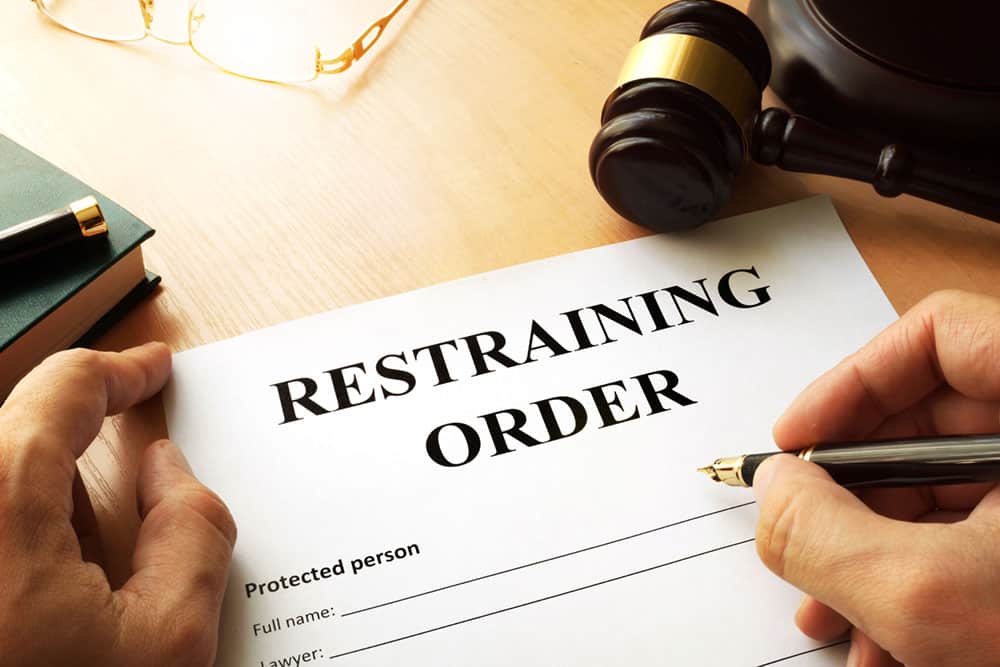
Protective orders are legal tools designed to safeguard individuals from harassment, stalking, or violence. In Texas, these orders can be issued to prevent the abuser from contacting or coming near the victim, providing essential legal protection during vulnerable times.
There are several types of protective orders in Texas, including temporary ex parte orders, which can be granted quickly, and final protective orders, which require a court hearing. Understanding the differences and the process to obtain these orders is crucial for victims seeking safety and legal recourse.
How to Obtain a Protective Order
The process of obtaining a protective order in Texas involves filing a petition with the court, detailing the reasons for the request. Victims must provide evidence of the threats or acts of violence they have experienced to support their case.
Once the petition is filed, a hearing is scheduled where both parties can present their arguments. It is advisable for victims to seek legal assistance to navigate this process effectively, ensuring their rights are protected and their safety is prioritized.
Enforcement of Protective Orders
Enforcement of protective orders is a critical aspect of ensuring the safety of victims. Once a protective order is granted, it is vital for the victim to understand their rights and the steps to take if the order is violated.
Law enforcement agencies in Texas are responsible for enforcing these orders, and violations can lead to serious legal consequences for the abuser. Victims should keep a copy of the protective order with them at all times and report any breaches to the authorities immediately.
Resources for Victims of Violence and Abuse
There are numerous resources available for victims of violence and abuse in Texas, including hotlines, shelters, and legal aid services. These organizations provide support, counseling, and legal assistance to help victims reclaim their lives and navigate the complexities of the legal system.
Local and state resources, such as the Texas Council on Family Violence, offer valuable information and connections to services that can aid in the recovery process. It is essential for victims to reach out for help and utilize these resources to ensure their safety and well-being.